
Melbourne Leads the Way in Accessible Travel, But Challenges Remain, According to Expert Review

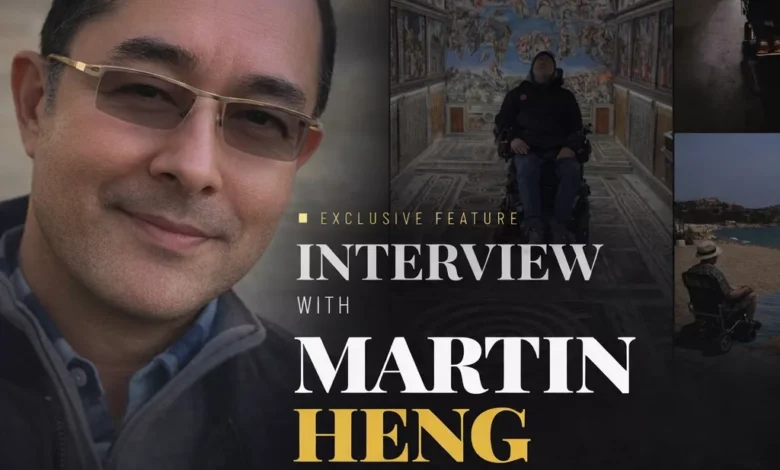
An in-depth review of accessible travel in Melbourne and Australia, conducted by Ashley Olson of WheelchairTraveling.com in conversation with Martin Heng, a former Lonely Planet employee now championing accessibility initiatives, reveals a city that scores highly for inclusivity, particularly in its transportation infrastructure, while also pinpointing areas ripe for improvement. Heng, whose work focuses on enhancing travel experiences for all, offered a nuanced perspective, commending Melbourne’s advancements while underscoring the persistent need for broader awareness and more comprehensive accessibility solutions. The discussion, captured in a recent interview, highlighted the critical importance of proactive planning and direct communication for travelers with diverse needs.
Melbourne’s High Accessibility Rating: A Transportation Triumph
Martin Heng expressed a strong endorsement for Melbourne’s accessibility, particularly noting the city’s substantial fleet of wheelchair-accessible taxis and its generally well-developed public transportation network. This positive assessment is significant, given Heng’s extensive experience in the global travel industry. "Melbourne is doing a commendable job," Heng stated, as reported in the interview. "The sheer number of wheelchair-accessible taxis available is a major advantage, and the public transport system is largely functional for many travelers."
However, Heng was quick to temper this praise with practical observations. While the infrastructure for getting around is robust, specific modes of transport present hurdles. Trams, a ubiquitous feature of Melbourne’s urban landscape, were identified as a point of concern. The inconsistent implementation of low-floor tram designs and the accessibility of tram stops create a barrier for some individuals. Similarly, train travel, while serviceable, requires a level of reliance on staff for ramp deployment and a somewhat rudimentary system of communication for stop announcements, often relying on temporary markers. "While the intention is there, the execution can be inconsistent," Heng explained. "For instance, train accessibility often depends on the driver’s awareness and assistance with ramps, and sometimes information about stops is communicated through less-than-ideal methods."
The availability of wheelchair-accessible taxis, while plentiful, can be subject to significant waiting times when booked through central dispatch, with Heng noting potential waits of up to two hours. This has led to a preference for engaging trusted individual drivers when possible, a strategy that requires prior knowledge or local recommendations. This highlights a common challenge in accessible tourism: even when services exist, their efficient and timely delivery can be a bottleneck.
Beyond Wheelchairs: Broadening the Scope of Accessibility
A key theme emerging from the discussion was the necessity of looking beyond the conventional understanding of accessibility, which often narrowly focuses on wheelchair users and the provision of ramps. Heng emphasized that disability encompasses a far wider spectrum of needs, with less than five percent of people with disabilities identifying as wheelchair users. This broader perspective is crucial for the tourism industry to truly embrace inclusivity.
"There’s a pervasive misconception that accessibility is solely about ramps and accessible toilets," Heng stated. "This overlooks the vast majority of people with disabilities and misses a significant market opportunity. We need to think about sensory needs, cognitive differences, and a multitude of other factors." He pointed to the growing demographic of older travelers, many of whom will experience age-related mobility challenges, as a prime example of a substantial and expanding market that benefits from accessible tourism. The World Tourism Organization’s (UNWTO) 2017 declaration of "tourism for all" serves as a foundational principle that the industry is still striving to fully implement.
Navigating Melbourne’s Attractions: Planning and Verification are Key
When it comes to specific attractions within Melbourne, Heng offered practical advice for ensuring a smooth experience. While many popular sites, such as the renowned Botanic Gardens and various museums, are generally accessible, Heng stressed the critical importance of direct, proactive communication. "Website information can be outdated or incomplete," he advised. "The most reliable method is always to call ahead and verify the current accessibility features. This applies to everything from entrance points to restroom facilities and specific exhibits."
Museums, in particular, were highlighted for their efforts to cater to diverse needs. Heng noted that many are now leading the way in accommodating neurodiverse visitors by offering sensory kits and dedicated quiet rooms. This forward-thinking approach demonstrates a growing understanding within the cultural sector of how to create more inclusive environments.
Hotel Accessibility: Design Flaws and Missed Opportunities
The conversation also delved into the often-troubled realm of hotel accessibility. Heng identified significant challenges with the design and layout of bathrooms in accessible hotel rooms as a recurring issue. These problems can range from inadequate turning space to poorly positioned grab bars and impractical shower designs, rendering rooms that are ostensibly "accessible" functionally unusable for some guests. This points to a need for greater standardization and adherence to best practices in hotel design and renovation.
The misconception of accessibility as a cost rather than an investment was a central critique. Heng argued that the tourism industry often views accessibility upgrades as a financial burden, failing to recognize the substantial economic potential of the aging demographic and individuals with disabilities. This demographic represents a growing segment of travelers with disposable income, actively seeking destinations and services that cater to their needs.
Expanding Horizons: Accessible Travel in Other Australian Destinations
Beyond Melbourne, Heng shared positive experiences with accessible travel in Cairns, Queensland. He specifically praised Skyrail, an aerial cableway offering disability-friendly gondola rides, and Quicksilver Cruises, which facilitates accessible diving and snorkeling through a pontoon equipped with a chairlift. These examples underscore that with thoughtful design and operational adjustments, even adventure-oriented tourism can be made more inclusive.
Heng reiterated his admiration for Australia’s accessible taxi fleets, particularly in Sydney and Melbourne, identifying them as a significant strength when compared to other developed and developing nations. This consistent availability of specialized transport is a foundational element for accessible tourism across the country.
The Human Element: Disability Awareness Beyond Physical Infrastructure
Heng’s advocacy extends to promoting a deeper understanding of disability within the broader population and the service industry. He stressed that true accessibility involves fostering a culture of awareness and empathy, not just implementing physical modifications. This includes educating staff about different types of disabilities and how to interact respectfully and effectively with all guests.
The interview touched upon the practicalities of planning accessible trips, with Ashley Olson inquiring about specific destinations in Australia where Heng had personal experience. While the provided transcript cuts off mid-question, the implication is a desire for more granular, destination-specific insights. The discussion also highlighted the utility of resources like the National Toilet Map app, which helps locate accessible public restrooms across Australia, including the increasingly important "Changing Places" facilities equipped with adult-sized changing tables and hoists. Access to these specialized facilities is typically restricted to individuals with specific needs and requires appropriate identification.
Best Practices for Accessible Travel Planning
The core message from Heng’s insights is the paramount importance of proactive planning, direct communication, and a flexible mindset. For travelers with disabilities, they are the ultimate experts on their own needs. Therefore, engaging with them directly and allowing them to articulate their requirements is the most effective approach.
Key best practices for accessible travel, as outlined by Heng, include:
- Direct Verification: Always confirm accessibility details directly with venues, hotels, and tour operators, rather than relying solely on website information.
- Early Booking and Communication: For accessible accommodations and specialized transport, book well in advance and clearly communicate specific needs.
- Leveraging Local Resources: Utilize apps like the National Toilet Map and seek out local disability support organizations for recommendations and assistance.
- Companion Cards: Take advantage of programs like Australia’s Companion Card, which provides a free ticket for a support person at participating events.
- Understanding Diverse Needs: Recognize that disability is multifaceted and goes beyond physical mobility. Consider sensory, cognitive, and other requirements when planning.
- Embracing Flexibility: Be prepared for unexpected challenges and maintain a flexible attitude. The most rewarding travel experiences often involve adapting to circumstances.
The conversation implicitly advocates for a paradigm shift in the tourism industry, moving from a reactive approach to accessibility to a proactive, integrated model that recognizes its inherent value and economic potential. As the world continues to prioritize inclusivity, the insights from experts like Martin Heng are invaluable in shaping a future where travel is truly for everyone.
Related posts: