Melbourne’s Accessible Travel Landscape: Insights from a Former Lonely Planet Insider and WheelchairTraveling.com

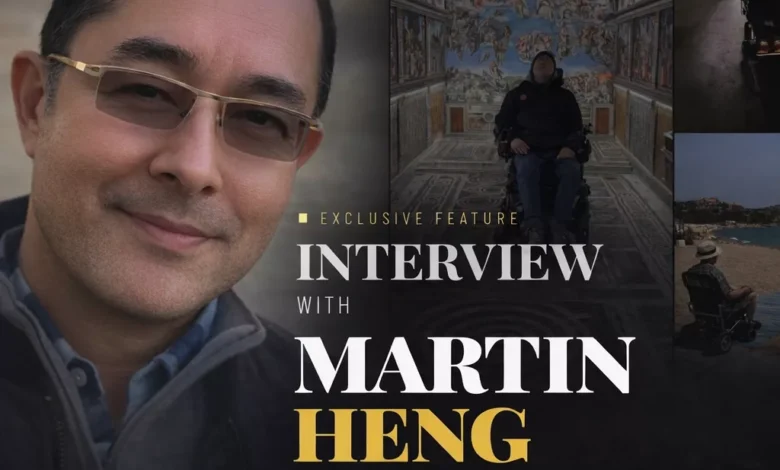
Melbourne, Australia, is a city making significant strides in accessible tourism, though challenges remain, according to a recent in-depth interview featuring Martin Heng, a former Lonely Planet employee now dedicated to accessibility initiatives in Australia, and Ashley Olson of WheelchairTraveling.com. Heng lauded Melbourne’s efforts, particularly its extensive fleet of wheelchair-accessible taxis and its generally robust public transportation network. However, he also pinpointed areas needing improvement, including the inconsistent accessibility of trams and a broader need to foster greater awareness of disability needs beyond those of wheelchair users. The discussion, captured in a video interview and subsequently detailed, offers a nuanced perspective on the current state and future trajectory of accessible travel in Australia’s second-largest city and beyond.
A High Rating for Melbourne, with Caveats
Martin Heng expressed a generally positive outlook on Melbourne’s accessibility, assigning it a high rating. He commended the city’s commitment to providing a substantial number of wheelchair-accessible taxis, a critical component for independent travel for many. Furthermore, the accessibility of Melbourne’s public transportation system was noted as a strength, suggesting a foundational infrastructure conducive to inclusive tourism.
Despite these positives, Heng was quick to identify specific hurdles. The accessibility of Melbourne’s iconic tram network, a defining feature of the city’s public transport, was flagged as an area requiring significant attention. Issues such as inconsistent implementation of low-floor trams and the availability of truly accessible stops were highlighted. Similarly, train travel presented its own set of challenges, including the reliance on driver assistance for ramp deployment and what Heng described as a somewhat informal system of communication for ensuring accessible stops, exemplified by the use of post-it notes.
Regarding the taxi service, while Heng acknowledged the large number of wheelchair-accessible vans available, he pointed out a significant bottleneck in the dispatch system. Waiting times of up to two hours through central dispatch can be prohibitive for travelers, making it more practical for those in the know to connect with trusted individual drivers. This suggests a need for improved efficiency and perhaps more decentralized booking options within the accessible taxi service.
Navigating Melbourne’s Accessible Attractions and Transportation
The conversation delved into specific accessible attractions within Melbourne, with Heng highlighting the Botanic Gardens and various museums as noteworthy examples. He underscored a crucial best practice for all travelers, especially those with accessibility needs: the imperative to contact venues directly to verify accessibility details. He cautioned against solely relying on website information, which can sometimes be outdated or incomplete.
Beyond physical infrastructure, Heng touched upon the broader understanding of accessibility. He noted that many businesses, including shops and eateries, worldwide, and indeed in Melbourne, present challenges due to single threshold steps at their entrances. This seemingly minor architectural feature can act as a significant barrier for individuals using mobility devices.
A point of interest for some travelers is the Victorian Companion Card program. Heng mentioned that holders of this card, which is issued to individuals with a permanent disability, can receive one free ticket for a support worker or companion when attending sporting, arts, or cultural events. This initiative aims to reduce the financial burden for individuals who require assistance to participate in cultural and recreational activities.
The discussion also touched upon the importance of accessible public restrooms. Heng recommended the National Toilet Map app as a valuable resource for locating accessible facilities across Australia. He further highlighted the growing availability of "Changing Places" toilets, which are specifically designed for individuals with high support needs and feature adult-sized changing tables and hoists. Access to these specialized facilities is typically restricted to qualified individuals, underscoring the need for a robust system of verification and potentially pre-registration.
Broader Implications for Disability Awareness and Business Opportunity
Martin Heng’s insights extended beyond the logistical aspects of accessible travel to encompass a critical examination of disability awareness within the tourism industry. He emphasized that focusing solely on wheelchair accessibility overlooks the vast majority of people with disabilities, noting that less than 5% of individuals with disabilities use wheelchairs. This highlights a common misconception and a potential blind spot in accessibility planning.
Heng shared a personal anecdote about attending a cinema that, while not wheelchair accessible, was still navigable for him through alternative means. This experience underscored his point that assumptions about disability can be misleading and that a more holistic approach is required. Ashley Olson echoed this sentiment, agreeing that avoiding assumptions and instead actively engaging with individuals to understand their specific needs is paramount for effective travel planning.
The conversation also framed accessibility not merely as a compliance issue but as a significant business opportunity. Heng identified the growing demographic of older travelers, many of whom will have increasing accessibility needs, as a substantial market segment that the tourism industry can and should actively cater to. He expressed optimism about the future of accessible travel, citing the United Nations World Tourism Organization’s (UNWTO) 2017 declaration of "Tourism for All" as a pivotal moment in shifting global perspectives.
Beyond Wheelchairs: A Holistic Approach to Accessibility
Heng’s advocacy for a broader understanding of accessibility is particularly relevant in the current tourism landscape. The aging global population is a well-documented demographic trend. Projections from the World Health Organization (WHO) indicate that by 2030, one in six people worldwide will be 60 years or older. This segment of the population frequently experiences age-related mobility challenges, sensory impairments, and other conditions that necessitate accessible infrastructure and services.
The misconception that accessibility is solely about ramps and physical access for wheelchair users represents a missed opportunity for businesses. By implementing universally designed spaces and services, tourism providers can attract a wider customer base, including families with young children, individuals with temporary injuries, and older adults, all of whom benefit from accessible environments.
The rise of audio guides and sensory kits in museums, as mentioned by Heng, exemplifies this broader approach. These innovations cater to individuals with visual impairments and neurodiverse communities, respectively, demonstrating a commitment to inclusivity that extends far beyond the traditional understanding of accessibility. The global podcasting phenomenon, with an estimated 2 billion listeners worldwide, further underscores the demand for and utility of audio-based information across various demographics.
Future Outlook and Areas for Improvement
While Melbourne has made commendable progress, the conversation implicitly points to several areas where further development is needed. Enhancing the efficiency and accessibility of taxi dispatch services, standardizing tram accessibility across the network, and ensuring consistent low-floor access on all public transport vehicles are critical steps.
Furthermore, a concerted effort is needed to educate businesses about the diverse needs of travelers with disabilities and to reframe accessibility as a proactive business strategy rather than a reactive compliance measure. This includes training staff to understand and respond appropriately to a range of accessibility requests and fostering a culture of inclusivity within the tourism sector.
The interview, though concluding mid-sentence on several occasions, effectively highlights the ongoing dialogue and the continuous evolution required to make travel truly accessible for all. The insights provided by Martin Heng offer a valuable roadmap for destinations and tourism operators aiming to embrace inclusive practices and tap into the burgeoning market of accessible tourism. The commitment to understanding and addressing the multifaceted needs of travelers with disabilities will undoubtedly shape the future of the tourism industry, both in Australia and globally.
The conversation also touched upon accessible travel in Cairns, Queensland, where Heng praised Skyrail for its disability-friendly gondola rides and Quicksilver Cruises for its accessible diving and snorkeling experiences, facilitated by a pontoon with a chairlift. These examples demonstrate how innovation and thoughtful design can create memorable and inclusive experiences in diverse travel settings.
When reflecting on Australia’s strengths in accessible travel, Heng reiterated the significant advantage of its accessible taxi fleets, particularly in major cities like Sydney and Melbourne. This is a point of differentiation that can be leveraged to attract international visitors with specific mobility needs.
The discussion concluded by touching upon areas for improvement, though specific details were not fully elaborated in the provided transcript. This suggests that while progress has been made, the journey towards universal accessibility in tourism is ongoing, requiring continuous effort, collaboration, and a commitment to listening to the voices of those with lived experience.
The implications of this dialogue extend beyond individual destinations. As global travel continues to rebound and evolve, countries and cities that prioritize accessibility will be better positioned to attract a diverse range of travelers and foster a more equitable and sustainable tourism sector. The insights from Martin Heng serve as a potent reminder that true accessibility is about creating welcoming and inclusive experiences for everyone, regardless of their abilities.