Little Fin: A Short Film’s Profound Impact on Disability Representation and Belonging

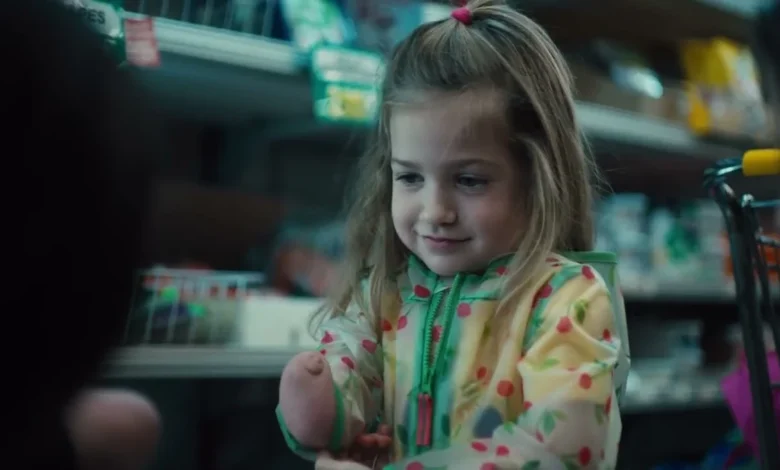
The poignant two-minute short film "Little Fin," penned and directed by Chrissy Marshall as part of the Disability Belongs Entertainment Lab in 2023, is resonating deeply within communities that have long yearned for authentic representation. The film masterfully reframes the often-uncomfortable experience of being singled out for a disability, transforming it into a powerful moment of connection, understanding, and mutual affirmation. By flipping the script on how differences are perceived, "Little Fin" offers a compelling narrative that underscores the critical importance of seeing oneself reflected in the world, particularly during formative years.
The Unfolding Narrative: A Grocery Store Encounter
The film opens with a seemingly ordinary scene: a mother and her young daughter are navigating the aisles of a grocery store. As they approach the vibrant produce section, the child’s attention is captured by a woman using a prosthesis. With an innocent, uninhibited exclamation, the girl points and exclaims, "Mom, look at that! Mom, look at her arm!" This initial outburst, though candid, elicits a visible discomfort from the woman with the limb difference.
In a gentle yet firm manner, the mother admonishes her daughter for her impoliteness. However, instead of retreating into further discomfort, the woman with the limb difference takes a proactive and heartwarming step. She looks down, a smile gradually spreading across her face, and then gracefully bends to the child’s eye level. With a warm invitation, "You want to see something cool?", she proceeds to remove her prosthesis, revealing her residual limb. This gesture, born of an understanding of the child’s innocent curiosity, creates an unexpected bridge between them.
The young girl, equally curious and unafraid, mirrors the woman’s action. She pulls up her own sleeve, revealing that she, too, has a limb difference. This shared vulnerability and openness spark an immediate and profound connection. The two exchange earnest smiles, a silent acknowledgment of their shared experience. The woman’s gentle observation, "My little arm looks just like your little arm," is met with the girl’s proud declaration that her arm is a "power arm." The woman’s response, "Well, I think your power arm is really cool," further solidifies the positive affirmation and mutual admiration. The film culminates in a playful "fin bump" between the two, a symbolic gesture of solidarity, followed by the girl’s compliment on the woman’s beauty. Overcome with emotion, the woman’s eyes well up as she looks at the girl’s mother, a testament to the profound impact of this unexpected moment of recognition and acceptance. The film concludes with the young girl’s shy smile and the powerful, resonant text: "Representation Matters."
Behind the Scenes: A Personal Inspiration
Chrissy Marshall, the visionary behind "Little Fin," shared the deeply personal inspiration for the film in an interview with Disability Belongs. The narrative is rooted in a real-life encounter Marshall experienced at an aquarium. "Little Fin was inspired by a real experience I had at an aquarium," Marshall explained. "A young girl and her grandmother came up to me asking questions about my hearing aids, and it wasn’t until a few moments later that I realized the little girl was wearing hearing aids too. That interaction stayed with me because it reminded me how many disability experiences are shared across generations and how meaningful representation can be."
Marshall’s aspiration for "Little Fin" extends beyond simply telling a story. She aims to foster a societal shift in how disability is perceived and discussed. "I wanted to create a story that captured that feeling of curiosity, connection, and seeing yourself reflected in someone else," she stated. "One of my hopes is that disability becomes something children learn about from a young age with curiosity, empathy, and joy, rather than fear or discomfort." This sentiment highlights a critical pedagogical goal: to normalize disability and integrate it into early childhood education not as an anomaly, but as a natural aspect of human diversity.
The Power of Authentic Representation
The authenticity of "Little Fin" lies in its ability to subvert common tropes surrounding disability. Instead of portraying an encounter marked by pity or discomfort, the film showcases a scene where limb difference is not only accepted but celebrated. This moment is crucial for both characters. For the young girl, it provides a tangible, self-assured role model with a disability. She witnesses an adult who embraces her limb difference, offering a powerful affirmation that she, too, can grow into someone confident and proud of who she is. For the woman with the prosthesis, the admiration from a stranger, particularly a child, can serve as a profound validation, reinforcing her sense of belonging and the positive impact she can have on others.
The film’s impact is amplified by the genuine and natural performances of the young actress and the woman with the limb difference. Their expressive faces, particularly their eyes, draw the audience into the tender exchange, creating an immersive experience that makes viewers feel as if they are present in the grocery store aisle. This emotional resonance, coupled with the film’s overarching themes of mutual understanding, admiration, and reverence for individual personhood, solidifies "Little Fin" as a profoundly impactful work of art.
Broader Societal Implications and Supporting Data
The message of "Little Fin" resonates on a much larger scale, particularly within the disability community. For individuals who use mobility devices, like the author of the original piece who uses a wheelchair, the experience of being pointed at or stared at without genuine connection is a common, often isolating, reality. The film’s assertion that "representation truly does matter" is not merely a platitude but a fundamental human need. Whether encountered in childhood or adulthood, seeing oneself represented and understood can have a transformative and lasting impact on self-esteem, identity formation, and overall well-being.
This sentiment is supported by a growing body of research on the psychological benefits of representation. Studies in media psychology and sociology have consistently shown that positive and diverse representation in media can:
- Increase self-esteem and self-acceptance: When individuals see people like themselves portrayed positively, it validates their experiences and fosters a sense of belonging.
- Reduce stigma and prejudice: Authentic portrayals can challenge stereotypes and promote empathy and understanding among those who do not share a particular identity. A 2021 study published in the Journal of Social Issues found that increased exposure to positive portrayals of people with disabilities in media led to more favorable attitudes among non-disabled individuals.
- Promote social inclusion: Seeing diverse representations can encourage greater social interaction and integration for marginalized groups.
- Influence aspirations: Role models, whether fictional or real, can inspire individuals to pursue their goals and dreams, regardless of perceived limitations.
The disability community, which constitutes a significant portion of the global population, has historically been underrepresented or misrepresented in mainstream media. According to the World Health Organization (WHO), an estimated 15% of the world’s population lives with some form of disability. Yet, the frequency and quality of their representation in film, television, and advertising have lagged considerably behind. This disparity creates a void that films like "Little Fin" aim to fill.
The "Disability Belongs" Initiative
The "Disability Belongs Entertainment Lab" is a key initiative aimed at fostering inclusive storytelling and empowering creators with disabilities. While specific details about the lab’s founding and operational timeline are not explicitly provided in the source material, its existence signifies a commitment to nurturing talent and producing content that reflects diverse experiences. By providing a platform for creators like Chrissy Marshall, the lab is instrumental in shifting the narrative from one of exclusion to one of belonging. Such initiatives are crucial in democratizing content creation and ensuring that authentic voices are heard.
Looking Forward: The Enduring Significance of "Little Fin"
"Little Fin" is more than just a short film; it is a powerful testament to the transformative power of representation. In a world where differences can often lead to division, this two-minute narrative offers a beacon of hope, demonstrating how empathy, curiosity, and a simple act of connection can bridge divides and foster a profound sense of belonging. The film’s availability on YouTube makes it accessible to a global audience, allowing its vital message to reach and impact countless individuals. As the film states, and as its profound narrative so eloquently demonstrates, representation truly matters, shaping perceptions, building confidence, and ultimately, reminding us of our shared humanity. The success and resonance of "Little Fin" serve as a compelling argument for continued investment in and promotion of disability-led storytelling, paving the way for a more inclusive and understanding future.
Related posts: