The Shifting Sands of Social Media: Hospice and Palliative Care Community Explores New Digital Havens

The digital landscape, a constantly evolving ecosystem of connection and communication, is once again prompting a significant migration for communities seeking dedicated spaces for discourse. For many within the hospice and palliative care (HAPC) community, the once-dominant platform of Twitter has become a less viable option, leading to a resurgence of interest and a significant influx into emerging text-based microblogging platforms, most notably Bluesky. This shift, driven by fundamental changes in platform functionality, content moderation, and overall user experience, marks a pivotal moment for how HAPC professionals and advocates connect, share knowledge, and build professional relationships online.
The rationale behind this migration is multifaceted. For years, Twitter served as a crucial nexus for HAPC professionals, facilitating rapid dissemination of research, real-time discussions on clinical challenges, and the cultivation of a collegial online atmosphere. Dr. Christian Sinclair, a prominent figure in the HAPC community and editor-in-chief of Pallimed, a widely respected online resource, articulated this sentiment in a recent online post. Sinclair noted his own departure from Twitter, citing a decline in its effectiveness and suitability for the community’s needs. "I even deleted my personal account. Yeah it was that bad," he stated, a sentiment echoed by many who found the platform increasingly fragmented and less conducive to the nuanced discussions vital to their field.
This departure from Twitter is not an isolated incident but rather a broader trend observed across various professional and interest-based communities. Concerns over the platform’s algorithmic changes, the proliferation of unverified information, and a perceived decline in civility have contributed to a growing dissatisfaction. Data from various social media analytics firms have indicated a slowdown in active user growth on Twitter, particularly among professional demographics, since its acquisition by Elon Musk in late 2022. This period has been marked by significant operational changes, including mass layoffs, shifts in content moderation policies, and the introduction of paid verification tiers, all of which have contributed to user uncertainty and a search for alternatives.
Bluesky Emerges as a Promising Alternative
In response to these shifting dynamics, Bluesky has emerged as a compelling alternative for the HAPC community. Described by Sinclair as "fun, light, collegial," the platform offers a distinct atmosphere that many find reminiscent of early social media platforms where community building was paramount. Sinclair’s personal experience of 18 months on Bluesky, initially through an invite from colleague Holly Yang, highlights a gradual but accelerating adoption within the HAPC sphere. The past weekend, he observed, saw a significant "pop" in both the quantity and quality of HAPC-related content and engagement on the platform.
This growth is not confined to the HAPC community alone. Bluesky has attracted a diverse array of users, including many medical professionals who previously relied on Twitter, as well as prominent figures from the news media, entertainment, academic journals, and medical societies. This cross-pollination of users creates a richer and more dynamic online environment, fostering serendipitous encounters and broader cross-disciplinary learning opportunities.
Key Features Driving Adoption
Several key features of Bluesky contribute to its appeal for professional communities:
- Text-Based Focus: Unlike visually-driven platforms like TikTok or Instagram, Bluesky prioritizes text-based microblogging. This format is ideal for sharing research findings, engaging in detailed discussions, and disseminating information quickly and efficiently, aligning perfectly with the needs of a knowledge-based profession like HAPC.
- Algorithmic Transparency (Emerging): While still under development, Bluesky has indicated a commitment to more transparent algorithms, aiming to give users greater control over their feeds and reduce the impact of opaque, engagement-maximizing algorithms that can lead to echo chambers and the amplification of misinformation.
- Ad-Free Experience: Currently, Bluesky operates without advertisements. This absence contributes to a cleaner, less intrusive user experience, allowing for greater focus on content and community interaction. This is a stark contrast to many established platforms where advertising has become a dominant and sometimes distracting element.
- Community-Driven Features: Bluesky’s "starter pack" feature, which allows users to curate lists of accounts within specific interest areas, is a significant tool for community building. Sinclair has created a "Hospice and Palliative Care People starter pack" featuring 120 individuals dedicated to palliative care, and Catherine Walshe, editor of Palliative Medicine, has developed a complementary pack. These curated lists enable new users to quickly connect with key voices and resources within the field, streamlining the onboarding process and fostering immediate engagement.
- Robust Moderation Tools (Reported): The platform is reportedly developing and implementing tools designed to protect users from harassment and hate speech. While the effectiveness and comprehensiveness of these tools are still being evaluated, the stated commitment to user safety is a critical factor in attracting and retaining a professional user base concerned about online toxicity.
A Digital Homecoming for Community Bonding
Sinclair draws a parallel between the current atmosphere on Bluesky and the early 2010s on Twitter, a period characterized by strong community bonding and organic growth. This nostalgia for a more collegial online space is a powerful motivator for many. Platforms like Meta’s Threads, while offering a text-based alternative, have faced criticism for a "broken algorithm" and a perceived dominance of brand promotion. Facebook, a long-standing social media giant, is often described as "tired" and less relevant for emerging professional communities. This leaves Bluesky positioned as a unique space for genuine community interaction.

Charting the Path Forward: HAPC Chats and Future Engagements
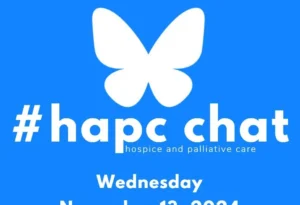
To further facilitate this transition and foster ongoing engagement, Sinclair has announced plans to host regular #hapc chats (also known as #hpm chats or formerly #tweetchats) on Wednesday evenings at 6 p.m. PT / 9 p.m. ET. This initiative aims to replicate the valuable real-time discussions that were a hallmark of the HAPC community on Twitter. The revival of these structured online conversations is expected to be a significant draw for individuals seeking to maintain their professional networks and engage in critical dialogue.
Furthermore, Bluesky will serve as the primary platform for Sinclair’s updates regarding the Annual Assembly #HAPC25 in Denver next year. This strategic use of the platform signals a commitment to leveraging Bluesky for official announcements and community engagement related to major HAPC events. The prospect of these developments may also entice former readers of Pallimed to re-engage with the site, offering a renewed sense of connection and a reason to return to the valuable resources it provides.
Background and Chronology of the Shift
The seeds of this digital migration were sown over several years. Twitter’s initial rise in the late 2000s and early 2010s offered a revolutionary way for professionals to connect in real-time. For the HAPC community, this meant immediate access to breaking research, rapid sharing of clinical best practices, and a sense of solidarity that transcended geographical boundaries. Early adopters, like Sinclair, recognized the potential for platforms like Twitter to amplify the voices and needs of palliative care professionals.
However, as Twitter matured and its user base expanded, the platform began to experience growing pains. Issues related to content moderation, the spread of misinformation, and the increasing commercialization of the user experience became more pronounced. The acquisition of Twitter by Elon Musk in October 2022 acted as a significant catalyst, accelerating these trends and prompting a widespread reevaluation of the platform’s suitability for professional communities. This period saw a significant outflow of users and a search for viable alternatives.
Bluesky, initially conceived as a decentralized social media protocol by Twitter co-founder Jack Dorsey, began its public beta phase in early 2023. Its promise of a more open and user-controlled social network resonated with those seeking a departure from the centralized models of established platforms. The gradual onboarding through invites fostered a sense of exclusivity and community building, which, as Sinclair noted, has now begun to mature into a more robust and populated platform.
Broader Impact and Implications
The migration of professional communities like HAPC to new platforms has significant implications:
- Decentralization of Information: As users diversify across platforms, the concentration of information on a single site diminishes, potentially leading to a more resilient and less vulnerable information ecosystem.
- Niche Community Development: Emerging platforms can foster the growth of highly specific and engaged communities, tailored to the unique needs and interests of their members. This allows for more focused and relevant discourse.
- Innovation in Social Media: The demand for better alternatives pushes existing platforms to innovate and address user concerns, while also encouraging the development of entirely new social media paradigms, such as decentralized networks.
- Digital Well-being: The move away from platforms perceived as toxic or overwhelming can contribute to improved digital well-being for professionals, allowing them to engage online in a more constructive and less draining manner.
The current landscape suggests a period of significant flux, but for the hospice and palliative care community, the move to Bluesky represents a proactive step towards cultivating a digital environment that supports collaboration, knowledge sharing, and the continued advancement of their vital field. The success of this transition will hinge on the continued growth of the platform, the active participation of its users, and the ongoing commitment to fostering a collegial and informative online space. The journey from the familiar shores of Twitter to the emerging horizons of Bluesky is a testament to the community’s resilience and its enduring commitment to connection in the digital age.
Related posts: