AI Assistants Emerge as Crucial Allies for Family Caregivers Battling Overwhelming Mental Load

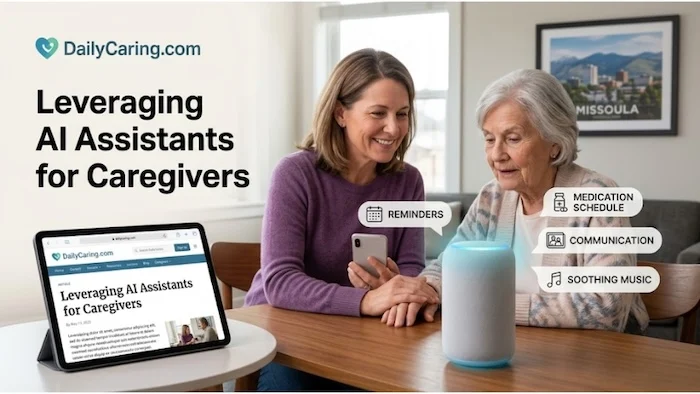
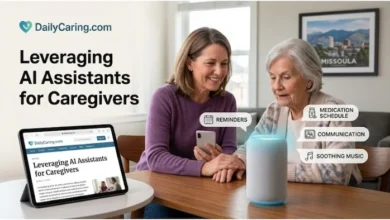
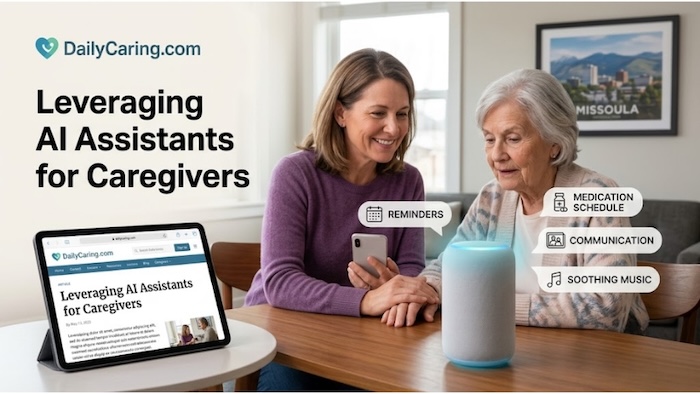
The profound commitment of family caregivers, a role defined by unwavering love and often immense sacrifice, is increasingly recognized as a cornerstone of elder care worldwide. These dedicated individuals navigate a complex landscape of medical appointments, medication management, household responsibilities, and emotional support, frequently at the expense of their own well-being. At the heart of this challenge lies an invisible yet crushing burden: the caregiver’s mental load. Fortunately, advancements in artificial intelligence (AI) are now offering practical, innovative solutions, transforming how caregivers manage their responsibilities and regain vital personal bandwidth. This guide delves into how AI assistants are stepping in, not to replace the irreplaceable human touch, but to empower caregivers by automating the mundane, organizing the chaotic, and fostering moments of genuine connection.
The Unseen Epidemic: Understanding the Caregiver’s Mental Load and Its Consequences
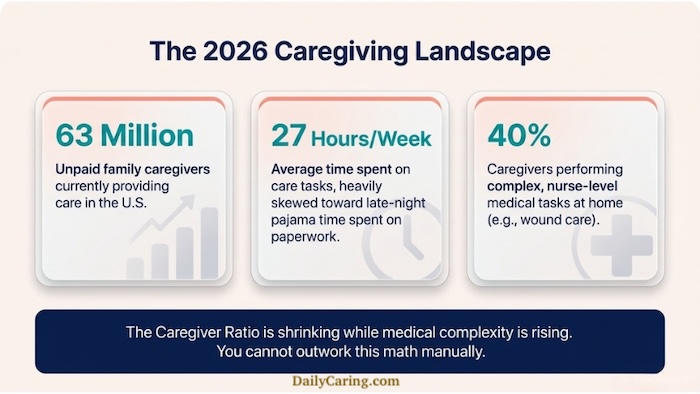
Globally, the demographic shift towards an aging population has amplified the demand for informal caregiving. In the United States alone, an estimated 53 million adults provided unpaid care to an adult or child with special needs in 2020, contributing an economic value of approximately $600 billion annually. This staggering figure underscores the indispensable role of family caregivers in the healthcare ecosystem. Yet, this critical contribution comes at a significant personal cost.
Defining the Caregiver’s "Mental Load"
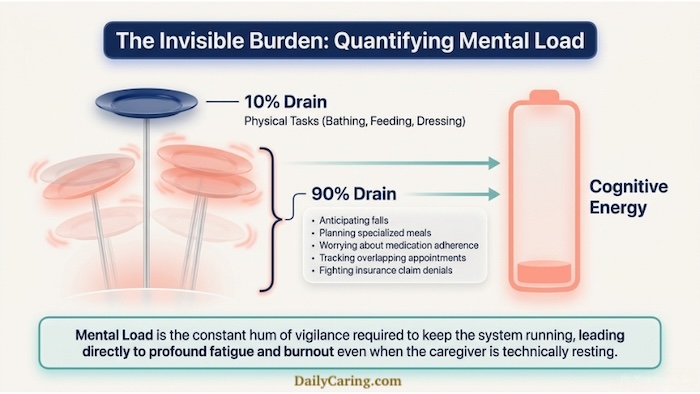
The concept of "mental load" in caregiving extends far beyond the physical tasks. It encompasses the relentless cognitive effort involved in remembering, planning, anticipating, and worrying about every aspect of a loved one’s care, even when not actively performing a task. This can manifest as a constant internal checklist: "Did they take their morning pills? Is the physical therapy appointment confirmed for next week? What groceries are essential for their dietary needs? I must remember to follow up with the insurance company about that claim. How will I juggle the children’s school events with today’s doctor’s visit? Are they truly comfortable right now?" This ceaseless internal monologue, the silent manager of an ever-spinning array of responsibilities, defines the mental load. It is the invisible energy drain that underlies the visible acts of care.
The Detrimental Impact on Caregiver Well-being
This persistent cognitive burden is far from benign. Over time, the relentless mental load significantly erodes a caregiver’s physical health, emotional resilience, and overall quality of life. Studies consistently show that caregivers experience higher rates of stress, anxiety, depression, and chronic health conditions compared to non-caregivers. The constant vigilance and decision-making can lead to chronic fatigue, irritability, difficulty concentrating, and disrupted sleep patterns. This perpetual state of alert, often accompanied by feelings of guilt and isolation, can severely compromise mental health, leading to a diminished sense of self and purpose beyond the caregiving role.
Recognizing the Onset of Caregiver Burnout
When the mental load becomes unsustainable, it often culminates in caregiver burnout – a state of profound emotional, physical, and mental exhaustion. This is not merely temporary tiredness but a debilitating condition characterized by:
- Emotional Exhaustion: Feeling drained, overwhelmed, and unable to cope.
- Depersonalization: A sense of detachment or cynicism towards the care recipient.
- Reduced Personal Accomplishment: Feeling ineffective or that one’s efforts make no difference.
- Increased Irritability and Impatience: Short temper with the care recipient or other family members.
- Social Withdrawal: Neglecting personal relationships and hobbies.
- Physical Symptoms: Chronic fatigue, headaches, stomach problems, increased susceptibility to illness.
- Sleep Disturbances: Difficulty falling asleep or staying asleep due to racing thoughts.
Recognizing these signs is critical. Caregiver burnout not only compromises the caregiver’s health but can also negatively impact the quality of care provided. Seeking solutions, including technological assistance, becomes an urgent necessity to safeguard the well-being of both the caregiver and the care recipient.
The Evolution of AI in Caregiving: From Simple Reminders to Intelligent Assistants
The integration of artificial intelligence into daily life has steadily progressed, and its application in caregiving represents a significant leap forward. What once began with rudimentary digital reminders has blossomed into sophisticated AI assistants capable of profound impact. This technological evolution aligns with the increasing recognition of the "caregiver crisis" and the need for innovative support systems.
A Chronology of Technological Integration
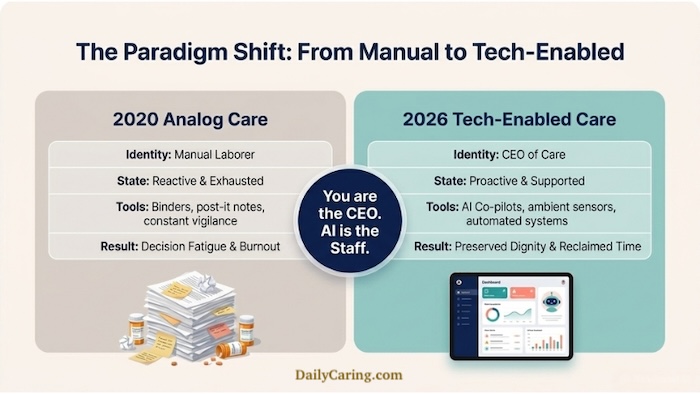
Initially, technology offered basic, isolated functions: digital calendars for appointments, simple alarms for medication. These tools, while helpful, required constant manual input and lacked integration. The mid-2010s saw the rise of smart speakers like Amazon Echo and Google Home, introducing voice-activated assistance for tasks like setting timers, playing music, and answering general questions. While not specifically designed for caregiving, their convenience offered a glimpse into the potential of conversational AI.
The most recent phase, beginning in the late 2010s and accelerating into the 2020s, has witnessed the development of purpose-built AI solutions for caregiving. These modern AI assistants are characterized by:

- Learning Capabilities: They adapt to routines and preferences over time.
- Complex Command Processing: Understanding nuanced requests beyond simple keywords.
- Device Integration: Seamlessly connecting with smart home devices, health monitors, and communication platforms.
- Proactive Suggestions: Anticipating needs rather than solely reacting to commands.
- Personalization: Tailoring interactions and information to individual care plans.
This shift marks the transition from basic digital notepads to truly impactful digital co-pilots for caregivers, offering not just reminders, but intelligent, adaptive support.
The Core Promise: Automation, Organization, and Empowered Support
The fundamental objective of deploying AI in caregiving is to alleviate the mental load by providing practical, accessible tools that streamline processes and free up valuable cognitive and emotional resources. The promise of AI in caregiving is multifaceted:
- Automating Repetitive Tasks: Taking over routine but crucial activities, reducing the need for constant manual oversight.
- Centralizing Information: Consolidating disparate data points (medication schedules, doctor’s notes, family updates) into an easily accessible format.
- Facilitating Communication: Streamlining interactions with care teams, family members, and support networks.
- Enhancing Safety and Monitoring: Providing discreet, non-invasive ways to ensure the well-being of care recipients.
- Offering Instant Access to Information and Resources: Providing quick answers to health-related questions or locating local support services.
- Providing Emotional Support for Caregivers: Offering a discreet outlet for stress management or connecting caregivers to peer support.
By delivering on these promises, AI assistants aim to give caregivers back their precious time and mental space, allowing them to focus on the human aspects of care – compassion, connection, and companionship – rather than being bogged down by logistics.
Practical Applications: How AI Assistants Are Actively Reducing the Caregiver’s Mental Load
The theoretical benefits of AI translate into tangible relief through a range of practical applications. These tools are designed to integrate seamlessly into the daily caregiving routine, addressing specific pain points and offering immediate solutions.
| Application Area | Key Examples | Mental Load Benefit |
|---|---|---|
| Daily Tasks | Medication reminders, calendar synchronization, grocery list generation, appointment scheduling. | Reduces decision fatigue, eliminates frantic last-minute trips, ensures critical tasks are never missed. |
| Coordination | Centralized family updates, shared care calendars, consolidated healthcare notes, task delegation. | Keeps all vital information in one accessible place, minimizes repetitive communication, fosters team collaboration. |
| Wellness Support | Conversational companionship for care recipients, guided meditation for caregivers, mood tracking, gentle nudges for hydration/activity. | Provides an accessible emotional outlet, promotes self-care, reduces guilt associated with not being present 24/7. |
| Safety Monitoring | Fall detection, smart home control (lights, thermostats), wander alerts, unusual activity detection. | Reduces anxiety about unforeseen incidents, enhances safety and independence for care recipients, offers peace of mind. |
| Information Access | Quick answers to health questions, identification of local resources (support groups, meal delivery), medication interaction checks. | Saves countless hours of research, provides reliable information on demand, facilitates informed decision-making. |
Streamlining Daily Tasks and Scheduling
The daily minutiae of caregiving can be overwhelming. AI assistants excel at managing these tasks:

- Medication Management: AI-powered apps can send reminders for multiple medications, track dosages, and even alert caregivers to potential missed doses. Some advanced systems integrate with smart pill dispensers.
- Appointment Management: Calendaring AI tools can not only schedule appointments but also send reminders, integrate with navigation apps, and even suggest optimal routes or public transport options.
- Meal Planning and Grocery Lists: AI can generate personalized meal plans based on dietary restrictions and preferences, automatically creating grocery lists that can be sent directly to online delivery services.
- Routine Automation: Smart home AI can automate daily routines like turning lights on/off, adjusting thermostats, or playing calming music at specific times, reducing the need for constant manual intervention.
Enhancing Communication and Coordination
Caregiving often involves a network of individuals – family members, professional caregivers, doctors, and therapists. AI can act as a central hub:
- Centralized Communication Platforms: Apps leveraging AI can consolidate updates, allowing all involved parties to view progress, share observations, and coordinate visits without a barrage of individual texts or calls.
- Automated Updates: AI can generate summaries of daily activities or health metrics, automatically sharing them with pre-approved family members, ensuring everyone is informed without the caregiver having to repeat information.
- Task Delegation: AI-powered coordination platforms can help caregivers articulate specific needs (e.g., "drive Mom to her appointment," "pick up prescriptions") and allow other network members to volunteer, ensuring tasks are covered efficiently.
Providing Emotional and Mental Wellness Support
Caregivers’ emotional well-being is paramount. AI can offer discreet yet impactful support:
- Caregiver Stress Relief: AI-guided meditation apps or journaling prompts can help caregivers manage stress and practice mindfulness. Some AI companions offer conversational support, acting as a non-judgmental listener.
- Companionship for Care Recipients: For older adults experiencing loneliness or cognitive decline, AI companions can engage them in conversation, play games, or prompt them with gentle reminders, reducing the caregiver’s guilt when they cannot be physically present.
- Mood Tracking and Insights: Some AI systems can passively track mood changes in care recipients (e.g., through voice analysis or activity patterns) and provide insights to caregivers, helping them understand and respond to emotional shifts.
Monitoring and Safety Features
The constant worry about a loved one’s safety is a major contributor to mental load. AI offers advanced monitoring solutions:
- Fall Detection Systems: Wearable devices or ambient sensors with AI capabilities can detect falls and automatically alert emergency contacts or caregivers, providing crucial response time.
- Wander Management: AI integrated with smart home sensors can detect if a care recipient with dementia leaves a designated safe area, immediately notifying caregivers.
- Activity Monitoring: AI can learn typical patterns of activity and alert caregivers to unusual changes, such as prolonged inactivity or increased nighttime wandering, which could indicate a health issue.
- Environmental Control: Smart home AI allows caregivers to remotely monitor and control aspects of the home environment (e.g., ensuring doors are locked, stove is off), enhancing safety and peace of mind.
Accessing Information and Resources Instantly
Navigating the healthcare system and finding relevant resources can be a labyrinthine task. AI can simplify this:
- Health Information Retrieval: AI chatbots can provide quick, reliable answers to general health questions, explain medical terms, or offer information on specific conditions, saving caregivers hours of online research.
- Resource Locators: AI-powered tools can help identify local support groups, elder care services, transportation options, or financial assistance programs tailored to specific needs.
- Medication Interaction Checkers: Advanced AI applications can cross-reference medications and alert caregivers to potential dangerous interactions.
- Drafting Communications: General AI models can help draft emails to healthcare providers, appeal letters to insurance companies, or requests for community services, significantly reducing the administrative burden.
4 Real-World AI Tools Caregivers Can Implement Today
Moving beyond theoretical concepts, several specific AI tools are already making a tangible difference for family caregivers. These solutions address diverse needs, from privacy-conscious monitoring to daily companionship and administrative assistance.
1. Sensi.ai: Non-Invasive Safety Monitoring
For caregivers concerned about a loved one’s safety, particularly during the night or when alone, but hesitant about intrusive video cameras, Sensi.ai offers a groundbreaking solution. This system employs small, audio-only "care pods" strategically placed around the home. The integrated AI analyzes ambient sounds, listening for anomalies such as a sudden thud (indicating a fall), repeated coughing, signs of distress, or unusual patterns like frequent nighttime bathroom trips. Upon detecting such events, the system immediately sends an alert to the caregiver’s phone. This innovative approach provides crucial peace of mind regarding safety while meticulously preserving the care recipient’s privacy and dignity.
2. ElliQ: Companionship and Daily Engagement
ElliQ is a proactive, AI-driven companion robot specifically designed to combat loneliness and promote engagement among older adults. Unlike reactive smart speakers that await commands, ElliQ initiates interactions, fostering a sense of companionship. It can lead a care recipient through gentle chair yoga exercises, engage them in trivia games, facilitate video calls with family members, and gently remind them about medication schedules or hydration. For caregivers, the accompanying ElliQ app provides valuable updates on their loved one’s mood, activity levels, and sleep patterns. This remote insight significantly alleviates the pervasive guilt associated with not being able to provide 24/7 direct supervision and companionship.
3. ianacare: Care Coordination and Support Network Mobilization
The ianacare (I Am Not Alone) app addresses one of the most persistent challenges for caregivers: effectively mobilizing and organizing their informal support network. Many friends, neighbors, and family members offer to help, but caregivers often struggle with how to delegate tasks without feeling like a burden. ianacare utilizes smart algorithms to simplify this process. Caregivers can easily post specific needs, such as "grocery drop-off," "ride to doctor’s appointment," or "respite time for an hour." Their personal network, connected through the app, can then view and volunteer for these tasks. This centralizes communication, eliminating the need for exhausting group texts and ensuring that offers of help are converted into tangible support.
4. ChatGPT or Gemini: Planning and Paperwork Assistant
General-purpose AI models like ChatGPT and Google Gemini, while not specifically designed for caregiving, can be powerful administrative assistants. They significantly reduce the time spent on planning, drafting, and organizing the substantial paperwork associated with care. Caregivers can leverage these tools to:
- Draft Communications: Generate professional emails to doctors, insurance companies, or social workers.
- Simplify Complex Information: Summarize dense medical reports or policy documents into easily digestible bullet points.
- Create Structured Plans: Outline care schedules, daily routines, or emergency plans.
- Brainstorm Solutions: Get ideas for activities for a loved one, healthy meal recipes, or strategies for managing challenging behaviors.
- Prepare for Appointments: Generate lists of questions to ask doctors or compile relevant medical history points.
A Crucial Note on Privacy: When utilizing public AI models such as ChatGPT or Gemini for tasks involving healthcare information or planning, it is imperative to anonymize all data. Never input your loved one’s actual name, birthdate, Social Security Number, Medicare details, or any other personally identifiable health information (PHI) into a chat prompt. Instead, use generic placeholders like "my 80-year-old mother" or "the care recipient" to safeguard sensitive health data.
Integrating AI into Your Caregiving Routine: A Roadmap for Success
Adopting new technology can feel daunting, especially when already overwhelmed. However, a strategic approach can make the integration of AI assistants a smooth and beneficial process.
Choosing the Right AI Assistant
The first step is to identify your most pressing pain points. Are you struggling most with organization, communication, safety monitoring, or your own emotional support?
- Ease of Use: Opt for intuitive interfaces and simple setup processes.
- Security and Privacy: Prioritize solutions with robust data protection measures, especially for health-related information. Understand how your data is collected, stored, and used.
- Customization: Look for tools that can be tailored to your loved one’s specific needs and your unique caregiving situation.
- Integration Capabilities: Consider how well the AI assistant can integrate with other devices or apps you already use (e.g., smart home systems, digital calendars).
- Cost and Accessibility: Evaluate subscription models, one-time purchase costs, and ensure the technology is accessible to both you and your care recipient.
Navigating the "Tech Hump" with Confidence
Bringing new technology into a busy routine requires a thoughtful approach to avoid adding to existing stress:
- Start Small: Introduce one AI tool at a time, focusing on the area where you need the most immediate relief. Master one function before exploring others.
- Educate Yourself: Watch tutorials, read user guides, or seek support from the provider. Understanding the tool’s capabilities will maximize its benefit.
- Involve Your Loved One (If Appropriate): Discuss the new technology with your care recipient. Explain how it can help them and ease your burden. Their buy-in can improve adoption.
- Set Realistic Expectations: AI is a tool, not a magic wand. It will assist, not eliminate, your caregiving role.
- Be Patient: There might be a learning curve. Don’t get discouraged by initial hiccups.
- Review and Adjust: Regularly assess if the AI assistant is meeting your needs. Be prepared to adjust settings or explore different tools if necessary.
- Prioritize Privacy: Always be mindful of data privacy, especially with personal health information. Use secure, purpose-built tools where possible, and anonymize data with general AI.
The Future of Caregiving: A Symbiotic Relationship with Technology
The landscape of caregiving is undergoing a profound transformation. As global populations age and the demand for care continues to outpace the supply of professional caregivers, the integration of AI is not merely an option but an inevitable necessity. We are rapidly moving towards a future where AI and human caregivers operate in a symbiotic relationship. Technology will increasingly handle the repetitive, administrative, and cognitive tasks, freeing human caregivers to dedicate their invaluable time and energy to the emotional, relational, and deeply human aspects of care that only they can provide.
The ongoing "caregiver crisis," characterized by burnout, workforce shortages, and increasing complexity, necessitates innovative solutions. Tools that incorporate advanced automation, robotics, and sophisticated artificial intelligence are poised to become standard components of the future caregiver’s daily routine. This evolution promises not a dehumanization of care, but rather an enhancement, allowing compassion and connection to flourish without being overshadowed by logistical burdens. The goal is to create a more sustainable, supportive, and effective care environment for both those who give and those who receive care.
Conclusion: Embracing Innovation for a Healthier Caregiving Journey
Being a family caregiver is a marathon, demanding immense resilience, strategic planning, and profound emotional depth. By thoughtfully embracing innovative AI assistants, caregivers are not taking a shortcut or outsourcing their love; rather, they are strategically deploying cutting-edge resources to more effectively manage the immense responsibilities they shoulder. This proactive adoption of technology represents a vital step towards mitigating the invisible burden of mental load and preventing burnout. It is an act of self-care that ultimately benefits the care recipient as well. Take that crucial first step, give yourself permission to lean on technology, and recognize that you deserve this powerful support.
Frequently Asked Questions: AI for Caregivers
Can AI actually reduce caregiver burnout?
Yes, significantly. While AI cannot replace human empathy and connection, it plays a crucial role in reducing the "mental load" that often leads to burnout. By automating repetitive tasks such as medication reminders, coordinating family updates, managing appointments, and providing instant access to information, AI frees up a caregiver’s time and reduces daily cognitive stress. This allows caregivers to reclaim personal time, focus on the emotional aspects of care, and improve their overall well-being.
What are the safest AI assistants for caregivers to use?
The safest AI tools are generally those specifically designed for health and aging, as they often incorporate robust privacy and security features tailored to sensitive data. Examples include dedicated companionship robots like ElliQ or audio-only monitoring systems like Sensi.ai. General smart speakers (e.g., Amazon Echo, Google Home) are also highly useful and generally safe, but it is always recommended to review and adjust their privacy settings to your comfort level. Always prioritize solutions from reputable developers with transparent privacy policies.
Is it safe to share health information with AI tools like ChatGPT?
You must always exercise extreme caution and be highly selective about the information you share with public AI models such as ChatGPT or Google Gemini. While these tools can be incredibly helpful for drafting documents or summarizing general information, they are not designed to protect Protected Health Information (PHI). Never enter your loved one’s real name, birthdate, Social Security Number, Medicare details, or any other personally identifiable health information into a public chat prompt. Always anonymize your data, using generic terms like "my 80-year-old mother" or "the patient" to protect sensitive health information. For direct health information sharing, always use HIPAA-compliant platforms or tools specifically approved by healthcare providers.
Disclaimer: The information provided on DailyCaring.com is for educational and informational purposes only. It does not constitute medical, financial, or legal advice. Caregiving situations are highly individual. Always consult with a qualified healthcare professional, elder law attorney, or financial advisor regarding your specific circumstances.