NHPCO Calls for Bipartisan Healthcare Reform and Palliative Care Integration Following 2020 Presidential Transition


The transition of executive power in the United States often serves as a critical juncture for federal healthcare policy, and the 2020 election cycle proved to be no exception for the hospice and palliative care sector. As the nation moved toward the inauguration of Joe Biden as the 46th President of the United States, Edo Banach, then-President and CEO of the National Hospice and Palliative Care Organization (NHPCO), issued a formal call for unity, urging stakeholders and lawmakers to prioritize the needs of the seriously ill and grieving. This shift in administration necessitated a strategic realignment for healthcare providers navigating the dual challenges of a changing political landscape and the ongoing COVID-19 pandemic.
A Legacy of Bipartisan Cooperation
Hospice care in the United States has historically relied on bipartisan consensus to secure funding and regulatory support. Established in the 1970s, the movement gained significant momentum in 1982 when President Ronald Reagan signed the Tax Equity and Fiscal Responsibility Act (TEFRA), which created the Medicare hospice benefit. Since that time, NHPCO has consistently maintained that the provision of end-of-life care transcends partisan divisions, as the universal human experience of illness and grief does not align with political party affiliations.
Following the 2020 general election, the NHPCO leadership emphasized that while the electorate remained deeply polarized, the mandate for high-quality, person-centered care remained a shared national priority. By reaching out to the incoming Biden transition team and the 117th Congress, NHPCO sought to ensure that the continuity of patient care would not be disrupted by the transfer of power. This proactive engagement was designed to remind federal officials that hospice and palliative care providers serve as an essential, non-partisan safety net for the most vulnerable segments of the population.
The Pandemic Context and Systemic Vulnerabilities
The timing of the 2020 transition was inextricably linked to the COVID-19 public health emergency. Throughout 2020, the healthcare system faced unprecedented strain, with hospice and palliative care providers grappling with severe shortages of personal protective equipment (PPE), testing kits, and access to therapeutic treatments. These logistical failures exposed structural gaps in the healthcare delivery system, particularly concerning how resources were allocated to home-based and community-based care settings.
The pandemic acted as a catalyst for NHPCO to demand a more resilient and flexible framework for care. As mortality rates climbed, the limitations of existing benefit structures became increasingly apparent. NHPCO’s advocacy efforts during this period focused on the urgent need for a more equitable and inclusive benefit package, arguing that the traditional models of care were insufficient to meet the heightened demands of the crisis. Data from the Centers for Disease Control and Prevention (CDC) during the latter half of 2020 showed that mortality rates were significantly higher in minority communities, reinforcing the organization’s call for equity-focused reforms in hospice access.
Strategic Priorities for the New Administration
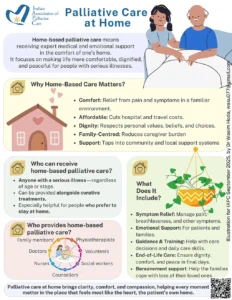
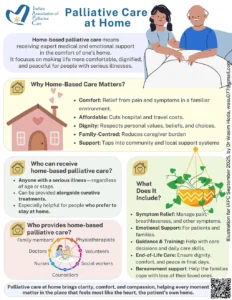
In its engagement with the incoming Biden administration, NHPCO outlined a specific legislative and regulatory agenda. Central to this agenda was the formalization of a community-based palliative care benefit. Historically, palliative care—which focuses on symptom management and quality of life for those with serious illnesses—has been inconsistently covered by Medicare and private insurance compared to the more established hospice benefit.
NHPCO’s proposal included several key pillars:
- Community-Based Palliative Care: Developing a well-defined, standardized benefit that allows patients to receive care in their homes or community centers, rather than being forced into hospital settings.
- Increased Benefit Flexibility: Allowing for more adaptable hospice eligibility criteria to accommodate patients with varying trajectories of chronic illness, moving away from rigid, prognosis-dependent models.
- Equity and Inclusion: Implementing systemic changes to ensure that hospice utilization rates among marginalized communities mirror national demographics, addressing long-standing barriers to access.
- Quality Metrics: Deploying advanced data tracking and incentivization tools to ensure that providers are rewarded for delivering high-quality, patient-centered outcomes rather than simply managing volume.
Quality Connections and Organizational Evolution
To support these advocacy goals, NHPCO launched internal initiatives designed to modernize the hospice and palliative care sector. The "Quality Connections" program was established as a framework for providers to engage in continuous quality improvement, focusing on clinical excellence and patient experience. By aligning organizational practices with these benchmarks, NHPCO aimed to present a unified, data-driven front to federal regulators.
The organization also emphasized the importance of its "Community-Based Palliative Care Model," which serves as a blueprint for expanding the reach of palliative services. By providing evidence-based metrics, NHPCO sought to demonstrate to the Department of Health and Human Services (HHS) that investing in palliative care not only improves patient satisfaction but also reduces overall healthcare spending by preventing unnecessary emergency room visits and hospital readmissions.
Broader Implications and Future Outlook
The implications of NHPCO’s strategic push during the 2020 transition were far-reaching. By positioning hospice and palliative care as a cornerstone of the public health infrastructure, the organization sought to move these services from the periphery of American healthcare into the mainstream. The focus on vaccinations, testing, and protective equipment during the transition period highlighted that, in the modern era, the hospice sector must be integrated into the national pandemic response strategy.
Industry analysts noted that the call for a "more equitable and inclusive" benefit was particularly timely, as the national discourse in 2020 and 2021 was heavily focused on social justice and health disparities. By aligning their mission with these societal shifts, hospice providers aimed to secure long-term sustainability and public trust.
Furthermore, the emphasis on working with the 117th Congress indicated a recognition that significant healthcare reform requires legislative action—specifically regarding Medicare payment models. The advocacy carried out by NHPCO during this period laid the groundwork for subsequent discussions in Washington regarding the "Value-Based Insurance Design" (VBID) model and other CMS (Centers for Medicare & Medicaid Services) initiatives aimed at integrating hospice care into the broader Medicare Advantage framework.
Conclusion
As Edo Banach noted in his address to the membership, the "sacred obligation" of the hospice movement remains constant regardless of the occupant of the White House. The NHPCO’s strategy during the 2020 transition was defined by a commitment to pragmatic, evidence-based policy advocacy. By focusing on systemic reform—ranging from the standardization of palliative care benefits to the improvement of health equity—the organization sought to ensure that the hospice industry would emerge from the pandemic stronger and more capable of meeting the needs of an aging American population.
The transition of 2020 represented more than just a change in political leadership; for the healthcare sector, it served as a defining moment to reflect on the vulnerabilities exposed by COVID-19 and to advocate for a more robust, flexible, and equitable future. Through its continued collaboration with federal agencies and lawmakers, NHPCO continues to serve as the primary voice for those providers who manage the most sensitive and critical aspects of end-of-life care, ensuring that the legacy of the hospice movement remains a bipartisan success story in the American healthcare narrative.
Related posts: