Independent Living Institute Navigates Transition and Embraces New Leadership

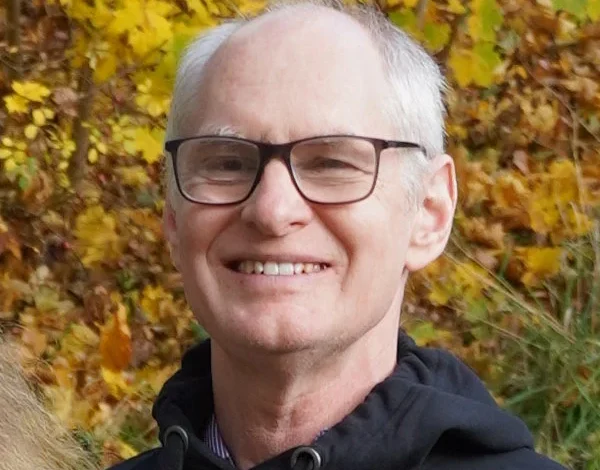
Following the passing of Adolf Ratzka, the visionary founder of the Independent Living Institute (ILI), in 2024, the organization has undergone significant leadership transitions. Jamie Bolling, who has steered the foundation as its chairperson, has now passed the baton of operational leadership to Emil Erdtman, effective September 1, 2025. This leadership evolution marks a new chapter for ILI, a globally recognized advocate for the rights and empowerment of individuals with disabilities.
A New Era of Leadership at ILI
Emil Erdtman’s appointment as the new operational leader brings a wealth of experience and a deep, personal understanding of the principles of independent living. Erdtman is no stranger to ILI, having served as the project manager for the organization’s impactful "Law as a Tool" project from 2017 to 2019. This project aimed to equip individuals with disabilities and their allies with the knowledge and strategies to effectively utilize legal frameworks to advance their rights and promote accessibility.
Erdtman’s subsequent academic journey saw him earn a doctorate from Lund University, where his dissertation, "Universal Design in Practice: Understanding, Implementation, and Co-creation," delved into the practical application of universal design principles. This research underscores a commitment to creating environments and systems that are inherently accessible to all, regardless of ability. His doctoral work, which is publicly available, signifies a significant contribution to the academic discourse on inclusive design and its real-world implications. The thesis, available via Lund University’s research portal, offers a comprehensive exploration of how universal design can be effectively understood, implemented, and collaboratively developed.
The operational leadership role at ILI is a part-time position, allowing Erdtman to maintain a multifaceted engagement within the disability and research communities. He also holds a part-time research position at Stockholm University, further contributing to academic advancements in relevant fields. Additionally, for the autumn of 2025, Erdtman will undertake a part-time role at DHR (The Swedish National Federation forPersons with Disabilities), an influential organization advocating for the rights of people with disabilities in Sweden.
Erdtman’s personal journey is deeply intertwined with the disability rights movement. He has a visual impairment and a lifelong experience of living with a disability. This lived experience provides him with an invaluable perspective, informing his understanding of the challenges faced by individuals with disabilities and fueling his passion for creating a more inclusive society. This intimate knowledge of the independent living philosophy is expected to significantly shape ILI’s future direction and initiatives.
Representing ILI on the Global Stage
A key aspect of Erdtman’s new role will be to represent ILI at various conferences and events, amplifying the organization’s voice and advocating for its core mission on a broader scale. His September 2025 schedule already highlights his active engagement. He is slated to participate in a panel discussion at the final conference of the EU project MuseIT. This research project, coordinated by the University of Borås, is dedicated to promoting equal access to art and culture. A significant focus of MuseIT is exploring how emerging digital tools can enhance sensory experiences of art and music, making cultural participation more inclusive.
Further underscoring his commitment to accessibility and the history of assistive technology, Erdtman will lead a workshop in Cyprus on September 12th. This workshop will be part of a research conference on assistive technology, examining the historical development of assistive devices and the valuable lessons that can be learned from this evolution. Erdtman’s expertise in this area is further evidenced by his book on the history of assistive devices, published by the Swedish Association for the History of Disability. This publication emphasizes the crucial role that individuals with disabilities have played in developing innovative solutions driven by their own needs and the pursuit of a better, more dignified life. The book, "We Got It Spinning: A History of Assistive Devices," is accessible online through the Swedish Association for the History of Disability.
Sustaining and Expanding ILI’s Impact
The operational work at ILI continues with a strong focus on securing future projects and ensuring the successful execution of ongoing initiatives. The organization has recently launched "Mitt liv, mitt val" (My Life, My Choice), a significant project addressing the right to support for self-determination. This initiative is actively testing new methods for decision-making support for individuals who are under legal guardianship or have a court-appointed administrator. This project aligns directly with ILI’s foundational principles of empowering individuals to have control over their own lives and choices.
The Independent Living Institute, founded by Adolf Ratzka, has been a pioneering force in advocating for the rights and autonomy of people with disabilities since its inception. Ratzka, a seminal figure in the disability rights movement, championed the concept of independent living, which emphasizes that individuals with disabilities should have the same choices and control over their lives as non-disabled people. He was instrumental in shifting the paradigm from a medical or charity model to a rights-based and social model of disability, viewing societal barriers as the primary impediment to inclusion rather than the disability itself. Ratzka’s passing in 2024 marked the end of an era, but his legacy continues to inspire and guide the organization.
Historical Context and Future Outlook
The transition at ILI occurs within a broader context of evolving disability rights discourse and policy. Globally, there is an increasing recognition of the importance of inclusive design, universal accessibility, and the principle of "nothing about us without us." The United Nations Convention on the Rights of Persons with Disabilities (CRPD), ratified by numerous countries, serves as a foundational document for many of these efforts, emphasizing the right to independent living and inclusion in the community.
Emil Erdtman’s background, encompassing both academic research and lived experience, positions him well to advance ILI’s mission in this evolving landscape. His academic work on universal design directly addresses the systemic changes needed to create truly inclusive environments, while his personal journey provides a grounded understanding of the impact of these principles. His engagement with assistive technology history further highlights the long-standing innovation and agency of people with disabilities, often overlooked in mainstream narratives.
The "Mitt liv, mitt val" project exemplifies ILI’s forward-looking approach. By exploring new methods for decision-making support, the organization is tackling complex issues related to autonomy and legal frameworks. This project is particularly relevant in light of ongoing discussions about guardianship and supported decision-making, aiming to find alternatives that uphold individual rights and preferences. The success of such projects is crucial in demonstrating practical pathways towards greater self-determination for individuals with disabilities.
Broader Implications and the Path Forward
The leadership changes at ILI signal a commitment to continuity while embracing new perspectives and expertise. Jamie Bolling’s tenure as chairperson has undoubtedly laid a strong foundation, and her continued role in leadership ensures a smooth transition and the preservation of institutional knowledge. Emil Erdtman’s appointment is a strategic move, bringing a blend of academic rigor, practical experience, and personal insight to the operational helm.
The increased visibility that Erdtman will bring to ILI through his participation in international conferences and events is critical for raising awareness and fostering collaboration. The MuseIT project, in particular, highlights the intersection of technology, culture, and accessibility, a rapidly developing area with significant potential to enhance the lives of people with disabilities. Erdtman’s workshop on the history of assistive technology also serves as a vital reminder of the rich history of innovation and advocacy within the disability community.
As ILI continues to navigate its future, its commitment to Adolf Ratzka’s foundational principles remains paramount. The organization’s work in seeking future projects and supporting ongoing ones, such as "Mitt liv, mitt val," underscores its dedication to tangible impact. The dual focus on advocacy and practical project implementation positions ILI to continue its legacy as a leading voice and facilitator for independent living and disability rights, both in Sweden and on the international stage. The evolution of its leadership signifies not an ending, but a dynamic continuation of its vital mission.
Related posts: