
Navigating Insurance Complexities for Wheelchair-Accessible Van Rentals in the United States

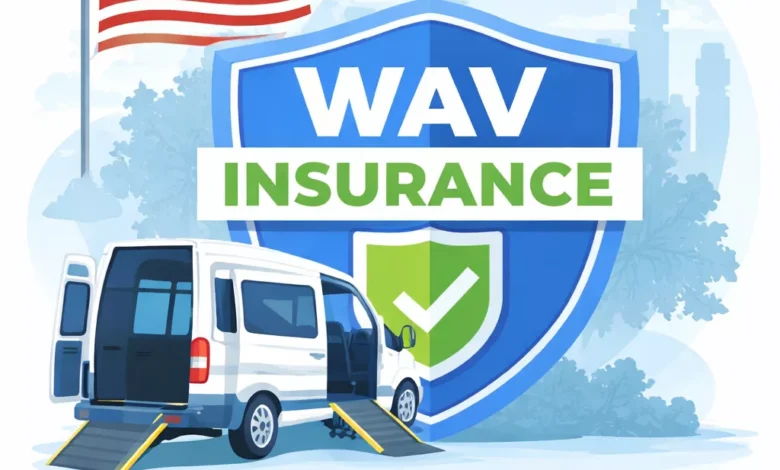
For many wheelchair users visiting the United States, renting a wheelchair-accessible van can make the difference between a stressful trip and a freeing one, yet securing adequate insurance coverage for these specialized vehicles remains a significant hurdle that often catches international and domestic travelers off guard. While standard car rental agencies have streamlined the process of purchasing insurance at the counter, the niche market of wheelchair-accessible vehicle (WAV) rentals operates under a different set of underwriting standards, often leaving travelers to navigate a complex web of personal policies, third-party providers, and rigorous documentation requirements.
The Landscape of Specialized Vehicle Rental
Wheelchair-accessible vans are fundamentally different from standard passenger vehicles. They are categorized as modified vehicles because they incorporate structural alterations, including lowered floors, high-roof conversions, automated ramp systems, and complex interior securement hardware. These modifications significantly increase the replacement cost of the vehicle compared to an off-the-shelf sedan or SUV.
Industry data suggests that while the demand for accessible travel has grown by nearly 15% annually over the last decade—driven by an aging global population and improved accessibility infrastructure—the rental market for WAVs remains fragmented. Unlike the "Big Four" rental agencies that dominate airport terminals, WAV rentals are largely serviced by specialized mobility equipment dealers and regional networks. Because these entities often lack the massive insurance risk-pooling capabilities of global corporations, they frequently shift the burden of liability onto the consumer.
Chronology of Coverage Challenges
The evolution of the WAV rental market has been characterized by a persistent gap between vehicle availability and insurance accessibility.
- Pre-2010: The market was highly localized, with rentals largely restricted to medical equipment providers who required proof of commercial liability insurance from the renter, effectively excluding most casual tourists.
- 2010–2018: As online platforms began to aggregate mobility providers, the demand from international travelers increased. However, the insurance industry remained slow to categorize WAVs as standard rentals, leading to "insurance blackouts" where rental contracts existed, but no secondary coverage could be purchased.
- 2019–Present: The rise of third-party digital insurance platforms has introduced new, albeit inconsistent, options for travelers. Despite this, the lack of standardized terminology—often leading to disputes over whether a van with a ramp is a "car"—remains a primary point of friction.
Why Standard Policies Fall Short
The fundamental conflict arises from the classification of the vehicle. A standard auto insurance policy or a credit card’s rental damage waiver is usually designed for a factory-standard vehicle. When an accident occurs involving a WAV, the cost of repairing the modifications—specifically the hydraulics of a ramp or the electrical systems for tie-downs—can exceed the total loss threshold of a standard repair estimate.
Furthermore, most rental companies require "full-coverage" insurance that includes collision damage waiver (CDW), loss damage waiver (LDW), and, most critically, third-party liability. Many personal auto insurance policies do not extend liability coverage to rented vehicles if the vehicle is considered a commercial rental or if it is a modified vehicle that falls outside the insurer’s "standard passenger" definition. This creates a scenario where a traveler may believe they are covered by their personal policy, only to be held personally liable for the full replacement cost of a specialized vehicle that can exceed $80,000.
The Role of Third-Party Providers and Credit Cards
In the absence of company-provided insurance, travelers often turn to third-party providers. Companies such as RentalCover have emerged as potential solutions, occasionally allowing for the inclusion of disability-modified vehicles under broader "car" categories. However, these policies are highly sensitive to the specifics of the quote. A policy that covers a rental in one state may be invalidated in another due to regional insurance regulations.
Credit card benefits, while often lauded for their ease of use, rarely provide a sufficient safety net for WAVs. Most credit card agreements explicitly exclude "vehicles that have been modified from the manufacturer’s original specifications." Consequently, relying on a credit card for coverage during a WAV rental is a high-risk strategy that could leave the traveler without any protection in the event of a collision or theft.
Analysis of Regulatory and Market Implications
The current state of the market presents a significant barrier to the autonomy of travelers with disabilities. From an economic perspective, the high cost of insurance or the difficulty in obtaining it acts as an "accessibility tax." When rental companies refuse to sell insurance, they effectively limit their customer base to those with high-value personal auto policies that specifically cover modified rentals—a demographic that excludes most international travelers and many domestic renters.
Advocacy groups have noted that this lack of standardized insurance creates a "disincentive to travel" for the disability community. If a traveler cannot easily confirm their insurance status before booking, they are statistically more likely to cancel their trip or opt for less accessible modes of transportation, such as taxis or public transit, which may not offer the same level of comfort or safety as a private WAV.
Strategic Recommendations for Renters
To mitigate these risks, industry experts recommend a proactive approach to procurement. Before finalizing any reservation, travelers should:
- Request a Written Statement: Ask the rental company to provide their insurance requirements in writing. This document should explicitly state whether they accept foreign insurance policies and whether they require a specific minimum liability limit.
- Verify with the Underwriter: Do not rely on the customer service representative at the rental agency. Contact your personal auto insurance provider or your travel insurance company directly. Ask for a written confirmation that their policy covers "modified wheelchair-accessible rental vehicles" rather than just "rental cars."
- Explore Mobility-Specific Networks: Prioritize working with networks that specialize in accessible vehicles, as they are more likely to have established relationships with insurance underwriters who understand the specific risk profile of these vehicles.
- Inquire About Case-by-Case Approval: In some instances, rental companies may waive certain insurance requirements if the renter provides a higher security deposit or proof of substantial commercial insurance. While this requires more capital upfront, it provides a legitimate pathway to securing a vehicle when standard options fail.
The Future of Accessible Transit
The long-term solution likely lies in the standardization of insurance products specifically designed for the accessible mobility sector. As the travel industry continues to emphasize inclusive tourism, there is growing pressure on major insurance carriers to develop "mobility-inclusive" policies that treat accessible vans as standard passenger vehicles.
Until such standards are adopted, the onus remains on the traveler to conduct thorough due diligence. The complexity of the process should not be a deterrent, but rather a factor to be managed through early planning and clear communication. For those who navigate the insurance landscape successfully, the resulting access to a private, wheelchair-accessible vehicle provides an unmatched level of independence, allowing travelers to navigate the United States with the same freedom and spontaneity as any other visitor.
As of April 2026, the market remains in a state of transition. While digital tools have made finding a vehicle easier, the legal and financial frameworks protecting the renter have not kept pace. Travelers are advised to view the insurance phase of their trip planning as a critical, multi-step process that should be completed weeks before the anticipated travel date to avoid the frustration of last-minute cancellations or the financial catastrophe of an unprotected rental agreement.
Related posts: