“BUBBE & TAL” Explores the Unpaved Path of Grief, Disability, and Family

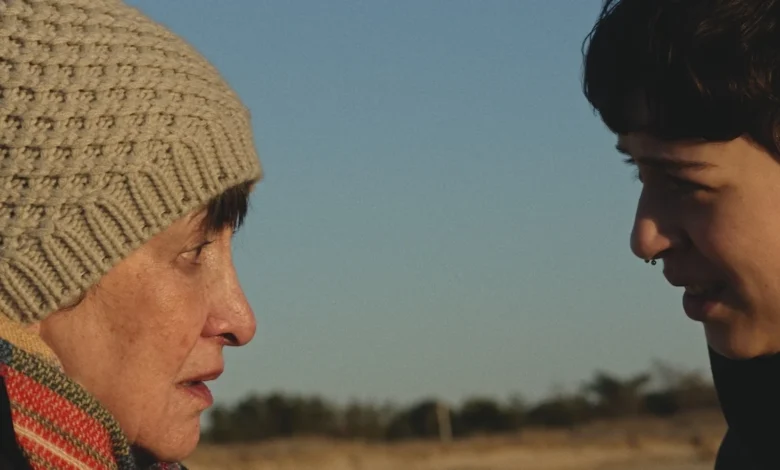
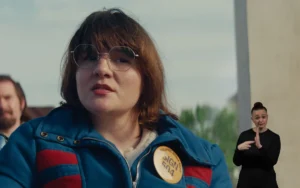
The 13-minute short film, written by the creative duo Daisy Rosato and Sophie Sagan-Gutherz, has emerged as a standout in the 2026 independent film circuit. By blending the unconventional tropes of a "stoner comedy" with the somber, universal realities of navigating aging and gender identity, the film offers a nuanced look at the friction inherent in multi-generational family dynamics. The narrative follows a grandmother, referred to as Bubbe, and her grandson, Tal, as they embark on an enigmatic and at times contentious road trip across Cape Cod.
Chronology of Recognition and Festival Success
The film’s critical reception has been marked by its success across several high-profile regional and niche festivals throughout 2026. The trajectory of the film’s release demonstrates a growing appetite for stories that center on the intersection of disability and marginalized identities:
- Provincetown International Film Festival (2026): The film received significant industry attention here, ultimately securing the award for Best Queer Film. The festival, known for its focus on LGBTQ+ narratives, recognized the project for its authentic portrayal of trans identity within a traditional familial structure.
- San Francisco Jewish Film Festival (2026): The film was selected for this prominent showcase, highlighting its contribution to contemporary Jewish storytelling. The inclusion here signaled a shift in how Jewish cinema is beginning to incorporate diverse, modern familial configurations.
- Charlotte Film Festival (2026): The film’s inclusion in this festival highlighted its broad appeal beyond niche audiences, proving that its core themes—grief and the desire for autonomy—resonate across diverse demographics.
Narrative Depth and Thematic Analysis
At the heart of the film lies the tension between physical decline and the human desire for self-determination. Bubbe, who grapples with chronic health impairments, frequently oscillates between fierce independence and the reality of needing assistance. This dynamic is captured in sharp, authentic dialogue that mirrors the lived experiences of many families.
Sociologically, the film touches upon the "independence-dependence paradox." Research into caregiving suggests that the primary source of conflict in aging-related relationships is often not the physical disability itself, but the perceived loss of agency. When Bubbe lashes out at Tal, the film illustrates a defensive mechanism often employed by those feeling vulnerable. The act of rejecting help is, in this context, a symbolic attempt to retain control over a life that feels increasingly dictated by medical limitations.
The writers utilize this friction to explore the "stoner buddy" genre as a vehicle for emotional vulnerability. By introducing the act of smoking cannabis together, the film breaks down the generational barriers that typically govern how a grandmother and grandson interact. It serves as a narrative bridge, lowering the emotional defenses of both characters and allowing them to address the "elephant in the room"—the silent, unprocessed grief they have been carrying individually.
Jewish Cultural Integration and Ritual
The film’s aesthetic and cultural framework is grounded in Jewish tradition, though it opts for a modern interpretation of these practices. By incorporating "Miriam’s Song" at the outset and closing with the poem "We Remember Them" by Sylvan Kamens and Rabbi Jack Riemer, the filmmakers anchor the story in a historical context of collective memory.
However, the film’s most profound moments occur when the characters move away from traditional, institutionalized religion. In one pivotal sequence, the duo develops a makeshift ritual to process their grief. This reflects a broader trend in contemporary religious sociology: the move toward "bricolage spirituality," where individuals construct their own meaningful practices from bits and pieces of tradition to suit their personal circumstances. For the audience, this underscores the message that grief does not adhere to a standard calendar or liturgy.

Socio-Economic Implications of Disability Representation
The representation of Bubbe’s disability in the film avoids the "inspiration porn" trope—a term used by disability advocates to describe media that portrays disabled people solely as objects of pity or inspiration. Instead, Bubbe is depicted as a fully realized individual: stubborn, irritable, humorous, and flawed.
Data from the Centers for Disease Control and Prevention (CDC) indicates that approximately 27% of adults in the United States live with some form of disability. Despite this, authentic representation of disability in mainstream media remains statistically low. By portraying the daily reality of navigating physical limitations—such as needing assistance with mobility or tasks—while maintaining a distinct personality, the film challenges the narrative that disability is a binary state of "being healthy" or "being incapacitated."
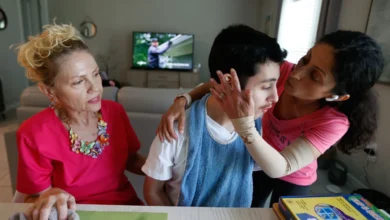
The interaction between Tal and Bubbe serves as a microcosm for the caregiver-patient relationship. Their dialogue, characterized by lines like "Get off my back!" and "You kinda do!," provides a realistic depiction of the emotional toll that caregiving takes on family members. The film posits that care is a reciprocal process; while Tal provides physical support, Bubbe provides emotional history and guidance, even when she is resistant to his aid.
Industry Impact and Future Prospects
The success of BUBBE & TAL at festivals suggests that there is a significant market for "micro-budget" films that prioritize character development and thematic complexity over high-concept spectacle. The film’s ability to win "Best Queer Film" at a major festival while simultaneously exploring Jewish heritage and aging highlights the intersectional nature of contemporary filmmaking.
Industry analysts note that as streamers and independent production houses look for more diverse content, stories that explore the nuances of the "care economy" are likely to gain traction. The film’s focus on the "journey of grief" also taps into a post-pandemic cultural climate that is more willing to engage with stories about loss, aging, and the importance of finding support systems outside of traditional structures.
Conclusion
Ultimately, BUBBE & TAL succeeds because it refuses to simplify its characters. It acknowledges that the process of aging and the transition into a care-based relationship is messy, often humorous, and deeply painful. By refusing to paint Bubbe as a "saintly elder" or Tal as a "perfect caregiver," the writers have created a work that feels urgent and necessary.
As the film continues to reach new audiences, its legacy will likely be defined by its honest portrayal of human vulnerability. It provides a blueprint for how future filmmakers can tackle difficult subjects like disability and loss without sacrificing entertainment value or emotional depth. Whether the viewer is seeking a nuanced exploration of trans identity, a look at the realities of aging, or simply a well-crafted dramedy, BUBBE & TAL offers a compelling, sophisticated contribution to the 2026 independent film canon. The project serves as a reminder that the most profound human connections are often formed in the spaces between bickering, in the quiet moments of shared grief, and in the unconventional rituals we create to survive our most difficult days.