How to Pay for Medical Alert Systems: Navigating Medicare, Medicaid, and More

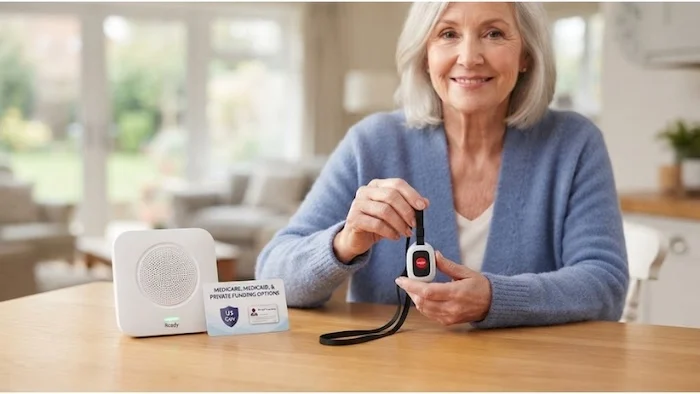
to Pay for Medical Alert Systems: A Comprehensive Guide to Medicare, Medicaid, and Veteran Coverage Options
Navigating the financial landscape of personal emergency response systems (PERS) remains a persistent challenge for seniors and their family caregivers. While investing in a medical alert system is widely recognized as a critical step toward ensuring home safety and promoting independent aging, the funding landscape is notoriously fragmented. A common misconception among older adults is that federal healthcare programs automatically cover the costs of safety monitoring devices. In practice, however, obtaining financial assistance requires careful navigation of a complex web of private insurance policies, state-specific regulations, and eligibility criteria.
Understanding who pays for these life-saving devices depends entirely on an individual’s specific healthcare plan, geographic location, and military service history. As the population of aging adults continues to grow globally, the demand for accessible personal safety technology has intensified, placing renewed focus on how government and private entities handle the cost of emergency monitoring solutions.
The Breakdown of Government and Private Coverage
Securing financial support for medical alert systems demands a granular examination of various institutional frameworks. While Original Medicare generally excludes these devices from coverage, alternative pathways such as Medicare Advantage plans, state Medicaid waivers, and Department of Veterans Affairs benefits offer varying degrees of financial relief.
A high-level comparison of the primary funding avenues highlights distinct coverage statuses across programs:
- Original Medicare (Parts A & B): No coverage, as devices are not classified as durable medical equipment.
- Medicare Advantage (Part C): Variable coverage, with select private plans offering supplemental benefits.
- Medicaid: Conditional coverage, heavily dependent on state-administered Home and Community-Based Services (HCBS) waivers.
- Department of Veterans Affairs (VA): Fully eligible for qualifying veterans evaluated by primary care providers.
Does Medicare Cover Medical Alert Systems?
For millions of older adults enrolled in Original Medicare (Parts A and B), the Centers for Medicare & Medicaid Services maintains a strict policy: personal emergency response systems are not covered. Under federal guidelines, medical alert pendants and base stations do not meet the legal definition of Durable Medical Equipment (DME). Because Original Medicare views these devices as convenience or safety items rather than medically necessary treatment tools under traditional definitions, beneficiaries who rely solely on Parts A and B must pay 100% of the equipment and monitoring costs out of pocket.
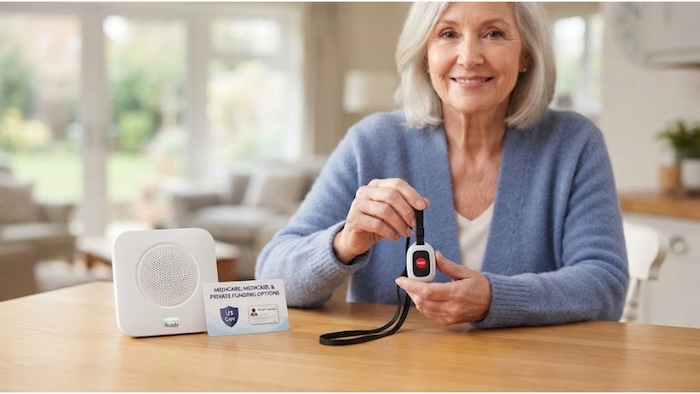
The regulatory environment shifts significantly for those enrolled in Medicare Advantage (Part C) plans. Administered by private insurance companies approved by Medicare, Part C plans possess the structural flexibility to offer supplemental benefits that go beyond standard government coverage. Several private insurers incorporate full or partial coverage for medical alert systems into their policy packages. Insurance providers often justify this expense by recognizing that swift emergency response can prevent severe injuries, thereby reducing costly hospital readmissions and emergency room visits. Beneficiaries must review their specific Summary of Benefits or contact their insurance carrier directly to verify whether a particular PERS device qualifies under their policy.
Medicaid and Home and Community-Based Services Waivers
Medicaid offers a more promising yet highly conditional route for financial assistance. Rather than operating under a uniform federal mandate, Medicaid provides coverage through state-administered programs, most notably Home and Community-Based Services (HCBS) waivers. Designed primarily to help vulnerable seniors age safely in their homes and communities rather than institutional nursing facilities, many state Medicaid programs authorize the inclusion of personal emergency response systems as a reimbursable service.
Because authority rests at the state level, eligibility requirements, approved equipment brands, and application procedures vary widely. Seniors or their advocates must apply specifically for their state’s HCBS waiver program and demonstrate both functional and financial need. When approved, Medicaid typically dispatches payments for the monthly monitoring fees directly to contracted vendors, though recipients may be limited to selecting from a pre-approved list of device manufacturers.
Department of Veterans Affairs Benefits for Medical Alert Systems
Veterans often encounter the most streamlined process for obtaining fully subsidized medical alert technology. The Department of Veterans Affairs operates specialized programs that provide emergency response systems at no cost to eligible individuals. Unlike commercial reimbursement models where the consumer purchases the device upfront, the VA model relies on clinical evaluation.
To secure a system through the VA, a veteran must request a formal consultation with their primary care provider within the VA healthcare network. If the clinician determines that a medical alert system is clinically necessary to mitigate fall risks or manage chronic health conditions, the VA orders the equipment directly through approved commercial vendors. Crucially, this coverage extends to both the physical hardware and the ongoing monthly monitoring fees, eliminating out-of-pocket expenses for the veteran.
Alternative Funding Avenues: Flexible Spending Accounts and Grants
For individuals who do not qualify for government-backed assistance or private insurance supplemental benefits, alternative financial strategies can help alleviate the monetary burden of purchasing a safety system.
Flexible Spending Accounts (FSAs) and Health Savings Accounts (HSAs) frequently permit the use of pre-tax dollars to cover the costs of medical alert systems, provided the consumer obtains a formal Letter of Medical Necessity from their primary physician. Additionally, local community resources—such as Area Agencies on Aging (AAAs), regional non-profit organizations, and specialized senior grant programs—frequently offer financial assistance, subsidized equipment, or charitable stipends to older adults struggling to afford basic safety infrastructure.

Frequently Asked Questions About Paying for Medical Alert Systems
Does Original Medicare pay for medical alert systems?
No. Original Medicare (Parts A and B) does not cover personal emergency response systems because federal guidelines do not classify them as durable medical equipment. However, some private Medicare Advantage (Part C) plans offer partial or full coverage as an optional supplemental benefit.
Can veterans receive a free medical alert system?
Yes. The Department of Veterans Affairs provides medical alert systems and covers ongoing monthly monitoring fees for eligible veterans. Qualification requires a clinical evaluation and a formal order placed by a VA primary care provider.
Will Medicaid cover the cost of a medical alert system?
Coverage is conditional and varies significantly by state. Many state Medicaid programs cover these systems under Home and Community-Based Services (HCBS) waivers, which aim to support aging in place.
Broader Implications and Expert Guidance
Navigating the complexities of healthcare administration while managing caregiving responsibilities can impose severe psychological and financial stress on families. Industry advocates emphasize the importance of proactive planning rather than reacting to a sudden medical emergency, such as an undetected fall. Families are encouraged to contact their insurance representatives well in advance to clarify policy specifics regarding personal safety devices.
Ultimately, while the upfront or monthly costs of medical alert systems require careful budgeting, industry analysts note that these expenses are nominal when measured against the catastrophic physical, emotional, and financial toll of an unaddressed medical crisis at home. Consumers seeking precise determinations are advised to consult licensed insurance brokers, elder law attorneys, or financial planners to accurately evaluate their specific coverage eligibility under current federal and state guidelines.
Related posts: