The Nutritional Powerhouse: Why Americans Continue to Make Apples the Nation’s Favorite Fruit

For generations, the old adage "an apple a day keeps the doctor away" has served as a cultural touchstone for healthy eating. While modern nutritional science clarifies that no single food can guarantee total immunity from illness, recent dietary data confirms that incorporating apples into a daily diet remains an exceptionally smart choice. Inexpensive, widely available year-round, and remarkably portable, apples offer a winning combination of sensory appeal and robust health benefits that have secured their status as America’s favorite fruit.
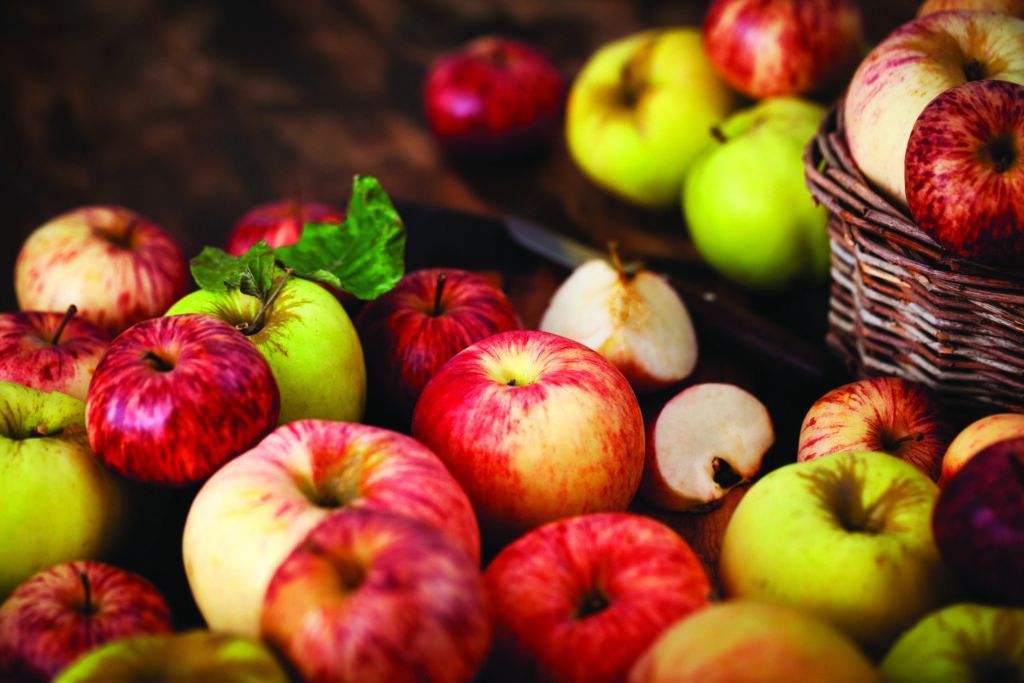
According to recent agricultural and consumer consumption data, Americans eat an average of 14 pounds of fresh apples per person each year. This enduring popularity is supported by staggering agricultural diversity. Globally, horticulturists cultivate more than 7,500 distinct varieties of apples, ranging from the intensely tart Granny Smith to the intensely sweet Fuji and Honeycrisp. This vast spectrum of flavors, textures, and culinary uses ensures that apples can satisfy nearly any palate or recipe requirement, whether consumed raw as a hand-held snack or incorporated into complex culinary dishes.
Nutritional Profile and Composition
A standard medium-sized apple delivers approximately 100 calories, making it a nutrient-dense addition to daily caloric intake without the risk of overconsumption. Composed of roughly 85 percent water, apples contribute significantly to daily hydration while offering a substantial amount of dietary fiber—roughly 20 percent of the recommended daily value in a single fruit.
Notably, apples outpace many other common fruits in their concentration of soluble fiber, primarily in the form of pectin. While citrus fruits typically dominate discussions regarding vitamin C, apples also supply a reliable, complementary source of this essential antioxidant vitamin.
To maximize these nutritional benefits, culinary experts recommend selecting apples that feel heavy and firm for their size, featuring smooth, unblemished skin and a mild, pleasant fruity fragrance. Proper storage involves placing them inside a perforated plastic bag within the refrigerator’s crisper drawer to maintain optimal crispness. Preparing
them for consumption requires little more than a thorough rinse under running water, which is scientifically proven to effectively eliminate surface dirt, residues, and handling contaminants.
What Contemporary Research Reveals About Apples and Health
Nutritional epidemiologists and clinical researchers have long studied the biochemical effects of regular apple consumption, yielding promising insights into how the fruit interacts with human physiology. While researchers caution that definitive causal relationships require ongoing long-term study, human intervention trials suggest several notable physiological benefits.
Regular consumption of whole apples has been linked to improved blood sugar control, largely due to the slow-digesting nature of its soluble fiber matrix, which blunts post-meal glycemic spikes. Additionally, the bioactive compounds found in apples—such as quercetin and various polyphenols—exhibit potent antioxidant properties that help protect the body against oxidative cellular damage. These same compounds support endothelial health, contributing to the structural and functional integrity of veins and arteries.
Furthermore, the soluble fiber acts as a potent prebiotic. Rather than being digested in the upper gastrointestinal tract, pectin travels intact to the colon, where it ferments and selectively feeds beneficial bacteria. This process supports a thriving and diverse gut microbiota, promoting gastrointestinal regularity and overall metabolic health.
However, nutritionists frequently issue caveats regarding processed apple products. Items such as commercially prepared applesauce and baked goods like apple pies often incorporate high amounts of added sugars, fats, and chemical preservatives that actively negate the fruit’s inherent nutritional advantages. Similarly, clear apple juice undergoes a filtration process that strips away all beneficial fiber, leaving behind a concentrated liquid sugar solution that fails to offer the same metabolic profile as the whole fruit.
Versatility in the Kitchen: Culinary Applications
One of the greatest assets of the apple is its remarkable culinary versatility. Unlike delicate stone fruits or berries that spoil quickly and require careful handling, apples are remarkably resilient.
Nutritionists and culinary professionals recommend several practical ways to integrate apples into everyday meals:
- Portable Snacking: An apple requires no peeling or specialized preparation, making it an ideal grab-and-go option for individuals with busy lifestyles.
- Breakfast Enhancements: Dicing fresh apples and cooking them with a dash of cinnamon into morning oatmeal provides natural sweetness without the need for refined cane sugars or artificial sweeteners.
- Textural Contrast in Salads: Thinly sliced or julienned apples introduce both a crisp crunch and a tart-sweet flavor profile to green salads and slaws.
- Simple Baked Desserts: Core a whole apple, stuff it with spices and nuts, and bake until tender for a comforting, low-calorie dessert.
- Nutrient-Dense Pairings: Pairing apple slices with a tablespoon of natural peanut butter or a small handful of raw almonds balances carbohydrates with healthy fats and protein, sustaining energy levels.
- Savory Accompaniments: Roasting apple wedges alongside pork loin, roasted chicken, or root winter vegetables creates a naturally sweet side dish that complements savory proteins.
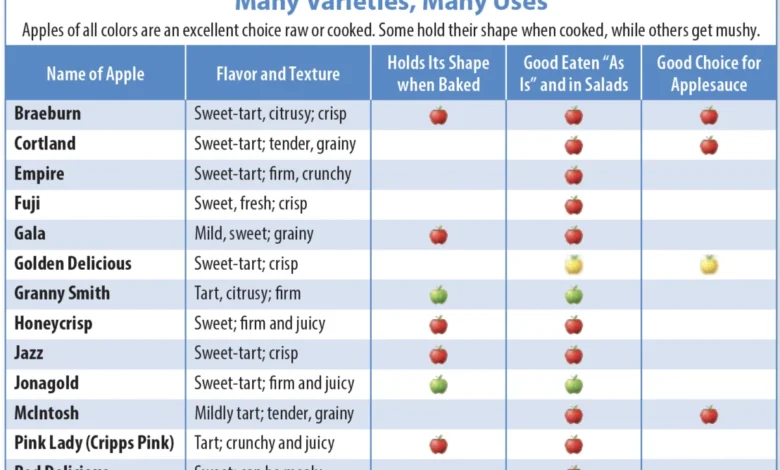
Because different apple varieties react uniquely to heat, understanding which cultivars hold their shape and which break down into smooth purees is essential for successful cooking. Combining sweet and tart varieties in recipes often yields a more complex, well-rounded flavor profile.
Broader Public Health Implications and Fruit Diversity
Despite the undeniable health benefits associated with apples, public health advocates emphasize that they should not serve as an individual’s sole source of fruit. Dietary guidelines consistently stress that optimal health outcomes rely on dietary diversity. Every fruit harbors a distinct profile of micronutrients, phytochemicals, and dietary fibers, meaning that a varied intake ensures a broader spectrum of physiological protection.
Current national health statistics underscore a persistent nutritional challenge in the United States. According to federal health surveys, only about 10 percent of American adults consistently meet daily fruit intake recommendations established by health agencies. While adding a daily apple to one’s routine represents an exceptionally positive, convenient first step toward closing this dietary gap, true long-term health benefits emerge from enjoying a wide variety of colorful fruits as part of a balanced, comprehensive nutritional pattern.
As public health campaigns continue to promote preventative nutrition, simple staples like the apple remain vital tools in encouraging healthier eating habits across the population. By bridging convenience, affordability, and dense nutritional value, the humble apple proves that traditional dietary wisdom often aligns closely with modern clinical science.