
New federal requirements for accessible medical diagnostic equipment signal a transformative shift in health care equity for people with disabilities

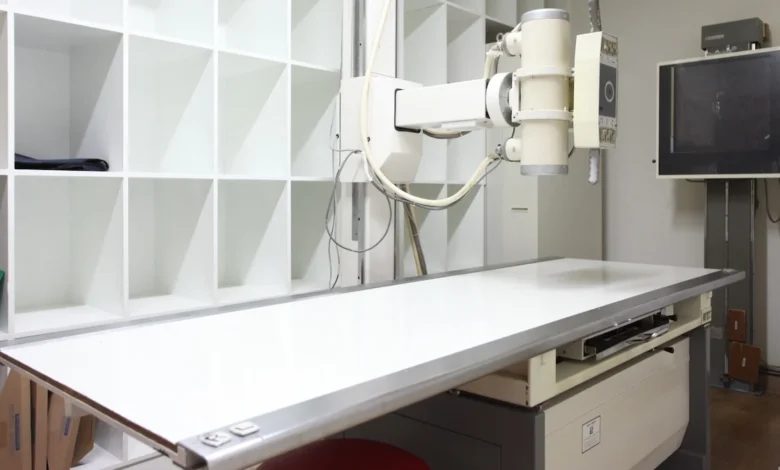
The landscape of American health care is undergoing a critical structural evolution as new federal mandates compel providers to dismantle long-standing physical barriers that have historically precluded patients with disabilities from receiving equitable care. As of the summer of 2026, landmark regulations finalized by the U.S. Department of Health and Human Services (HHS) and the Department of Justice (DOJ) have officially taken effect, establishing mandatory accessibility standards for medical diagnostic equipment (MDE). These requirements, rooted in Section 504 of the Rehabilitation Act and Title II of the Americans with Disabilities Act (ADA), aim to ensure that essential tools—such as adjustable-height examination tables, specialized weight scales, and imaging technology—are usable by individuals with mobility, sensory, or neurological impairments.
For decades, the inability to access basic equipment has functioned as a "silent gatekeeper" in the medical system. When a patient cannot be safely transferred to an exam table or weighed on a standard scale, the result is often a truncated visit, a misdiagnosis, or the complete avoidance of preventive care. The new federal framework seeks to institutionalize accessibility, moving beyond voluntary best practices to enforceable compliance standards.
A Chronology of Regulatory Action
The journey toward these requirements has been characterized by years of advocacy, data collection, and inter-agency coordination. While the Americans with Disabilities Act was signed into law in 1990, specific technical standards for medical equipment lagged behind architectural requirements.
The foundational movement began in earnest when the U.S. Access Board—the federal agency responsible for developing accessibility guidelines—published its final rule on MDE in 2017. However, those standards remained largely dormant as enforceable regulations until the Biden-Harris administration accelerated the process.
- 2017: The U.S. Access Board publishes technical criteria for accessible medical diagnostic equipment.
- January 2024: HHS and the DOJ finalize rules that formally adopt these technical standards, linking them to federal civil rights obligations.
- July 8, 2026: The deadline for health care providers receiving HHS funding to ensure the availability of at least one accessible examination table and one accessible weight scale.
- August 9, 2026: The compliance deadline for health care programs operated by state and local governments, as mandated under Title II of the ADA.
These dates represent a threshold in civil rights enforcement. Covered entities are now required not only to possess a minimum inventory of accessible equipment but also to prioritize accessibility when procuring new machines or replacing outdated units.
The Human and Economic Cost of Inaccessibility
The necessity for these regulations was underscored by a 2025 Government Accountability Office (GAO) report, which provided a sobering analysis of the status quo. The GAO’s investigation revealed that the lack of accessible infrastructure is a primary driver of health disparities. In the report, researchers documented instances where patients were forced to undergo examinations while remaining in their wheelchairs, or in some cases, were lifted by staff members—a practice that is both undignified and medically unsafe.
The data further indicates that inaccessible scales lead to inaccurate weight readings, which can result in improper medication dosages or the failure to track health markers like BMI, which are critical for managing chronic conditions such as diabetes or cardiovascular disease. Beyond the individual patient experience, the broader economic impact is significant. Delayed screenings and suboptimal care management often lead to higher downstream costs for the health care system, as conditions that could have been caught early through routine exams escalate into acute, high-cost emergencies.
Analyzing the Regulatory Framework
The new requirements are granular, ensuring that "accessibility" is not interpreted as a subjective concept. Under the HHS mandate, medical providers receiving federal financial assistance must meet specific technical criteria. For instance, examination tables must be capable of being lowered to a height that allows a patient to transfer from a wheelchair with minimal assistance. Similarly, weight scales must feature platforms that accommodate mobility devices, such as power wheelchairs, ensuring that the patient can be weighed accurately without being separated from their assistive technology.
From a policy perspective, the rules employ a "phased-in" approach. While providers are required to meet a baseline level of equipment by the 2026 deadlines, the regulations also mandate that any equipment acquired after these dates must meet the defined accessibility standards. This prevents the "grandfathering" of inaccessible equipment indefinitely, creating a natural cycle of replacement that will improve the overall quality of medical infrastructure over the next decade.

Implementation Challenges and Provider Perspectives
While disability rights advocates have hailed the regulations as a long-overdue victory, the medical community faces significant logistical hurdles. The cost of upgrading equipment is not trivial; high-quality, adjustable exam tables and specialized imaging machines often carry a price premium compared to their standard counterparts.
Smaller, rural, and independent practices have expressed concerns regarding the financial burden of these upgrades. In response, some state health departments have begun exploring grant programs or tax incentives to assist smaller clinics in meeting these federal mandates. Furthermore, the human element of this transition cannot be ignored. As the U.S. Access Board has emphasized, equipment is only as accessible as the staff who operate it.
Training programs are currently being scaled up to teach medical personnel how to facilitate patient transfers, adjust equipment heights correctly, and communicate effectively with patients regarding the available accessible features. Without a robust commitment to staff education, the physical equipment may remain underutilized, effectively negating the benefits of the federal mandate.
The Role of Transparency and Communication
One of the most critical components of the new regulatory environment is the requirement for transparency. For an individual with a disability, the prospect of an appointment is often fraught with uncertainty: Will I be able to be examined? Will the staff know how to assist me?
The new rules encourage providers to proactively communicate their accessibility status. This includes updating digital scheduling platforms to indicate that accessible equipment is available and training front-desk staff to handle inquiries about equipment capabilities. By integrating accessibility information into the patient intake process, providers can reduce the "hidden burden" on patients who currently spend hours calling multiple offices to verify whether they can be accommodated.
Broader Implications for Public Health
The integration of these standards represents a systemic shift in how the medical establishment views its duty of care. By codifying accessibility, the federal government is effectively stating that the ability to access an exam table is as fundamental to medical care as the stethoscope itself.
The implications are far-reaching. As the U.S. population ages, the number of individuals requiring accommodations for mobility and balance issues is projected to rise. The investments being made by health care systems today will serve a much broader demographic than just those who identify as having a disability; they will ultimately benefit any patient with temporary injury, balance challenges, or physical limitations.
Conclusion and Looking Forward
The implementation of the 2026 requirements is not the finish line, but rather the beginning of a new standard of care. As providers work to meet these benchmarks, the focus will likely shift from basic equipment acquisition to comprehensive accessibility. This includes not only the exam table, but the path of travel to the exam room, the accessibility of restrooms, and the digital accessibility of medical records and patient portals.
For now, the focus remains on compliance and the measurable improvement of patient outcomes. The U.S. Access Board continues to offer technical guidance, and oversight bodies are monitoring the transition. If successful, these regulations will mark a major milestone in the ongoing efforts to ensure that the promise of the Americans with Disabilities Act—the promise of equal opportunity, full participation, and independent living—is finally realized within the walls of the nation’s clinics and hospitals. The shift is clear: the physical environment of medicine is no longer a secondary concern, but a primary factor in the delivery of equitable, high-quality health care for all citizens.