The Ultimate Guide to Rental Property Turnover and Cleaning Excellence

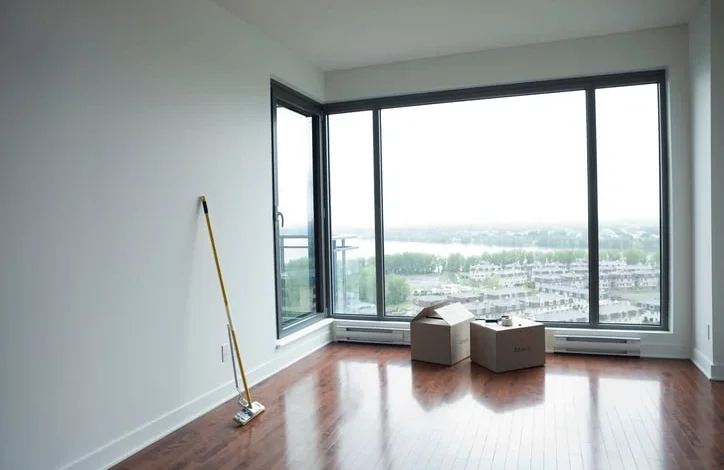
Efficient rental property turnover is the cornerstone of a sustainable real estate investment strategy. For property managers and landlords, the period between leases is not merely a downtime; it is a critical operational phase that determines tenant retention, security deposit management, and the overall longevity of the asset. A standardized, rigorous cleaning and maintenance protocol ensures that every unit meets a defined, professional standard, effectively setting the tone for the incoming tenant’s residency while mitigating the risk of disputes.
The Importance of Standardized Turnover Procedures
The transition of a rental unit involves more than just aesthetics. Industry data suggests that property turnover is the most expensive phase of the leasing cycle, often costing landlords between 10% and 20% of the annual rent due to vacancy periods, advertising costs, and necessary repairs. By implementing a comprehensive, room-by-room cleaning checklist, property managers can reduce "days on market" metrics significantly.
"The goal is to return an empty property to a defined, documented standard so the next tenant walks into a clean, safe, and functional home," explains Renata Cruz, a cleaning expert at Coastal Maid San Diego. Beyond cleanliness, these checklists serve as a vital legal record. Sham Zemichael, owner of Costina Cleaning Services LLC, notes that checklists provide an objective account of the unit’s condition, which is essential if a tenant later disputes charges or claims the property was handed over in an unacceptable state.
A systematic approach also helps distinguish between routine wear and tear—the gradual deterioration of a property through responsible use—and tenant-caused damage. This distinction is legally paramount, as most jurisdictions restrict landlords from deducting funds from security deposits for normal wear, while allowing charges for negligence or abuse.
Chronology of a Successful Turnover
The sequence of events during a turnover is as important as the quality of the work performed. Industry experts generally advocate for a specific timeline to avoid redundant efforts and ensure cost-efficiency:
- Immediate Vacancy Assessment: Within 24 hours of the move-out, the landlord or property manager must conduct a formal inspection. This includes verifying the security of the property, checking for plumbing leaks, and ensuring all appliances are functional.
- Maintenance and Repairs: Before any cleaning begins, heavy-duty work such as drywall repair, painting, fixture replacement, and floor refinishing must be completed. Attempting to clean before these tasks are finalized is counterproductive, as dust and debris from repairs will inevitably contaminate cleaned surfaces.
- Professional Deep Cleaning: Once the maintenance phase concludes, the cleaning team should be scheduled. Professional cleaners are typically tasked with the final sanitation of high-traffic areas, including kitchens and bathrooms.
- Final Quality Control: A post-cleaning walkthrough is conducted to identify missed spots or lingering odors.
- Security and Handover: The final step involves securing the unit, changing lock codes or re-keying locks, and performing a final inventory check.
Essential Supplies and Room-Specific Standards
To maintain a high standard, property managers should ensure their teams are equipped with industry-standard supplies, including microfiber cloths, HEPA-filter vacuums, non-abrasive scrubbers, and eco-friendly disinfecting agents. The cleaning process should strictly follow a "top-down" methodology to prevent debris from falling onto surfaces that have already been cleaned.
In the kitchen, the focus must be on grease and food residue. This involves cleaning the interior and exterior of appliances, including the stove hood, oven, and refrigerator. In bathrooms, the process begins with a "dry clean"—removing dust and hair—followed by a deep scrub of porcelain and tile surfaces to eliminate soap scum and mildew. Bedrooms and living areas, while often cleaner than utility rooms, require attention to often-overlooked areas such as baseboards, ceiling fans, light switches, and window tracks.
Professional vs. DIY: The Economic Argument

The decision to handle cleaning in-house versus hiring a professional service is often a debate over time versus cost. While cleaning a unit personally can save on overhead, the opportunity cost for a busy landlord is often higher.
"Time matters," says Alexei Morgado, a Florida-based real estate agent. "If spending money on a professional crew means the property is ready a day sooner, that investment is often recouped by avoiding a single day of vacancy." Professional cleaners are generally better equipped to handle deep-cleaning requirements and are accustomed to working within the tight, shifting schedules of contractors, painters, and real estate agents.
Documentation: The Legal Safeguard
Perhaps the most critical aspect of the turnover process is documentation. Before-and-after photography serves as a critical piece of evidence in legal disputes over security deposits. These images should be date-stamped and stored in the property’s digital file.
"A cleaning company can document what it observes and what it cleans, but the property manager should make the final decision about security-deposit deductions," Cruz notes. Documentation should specifically differentiate between:
- Routine Wear and Tear: Faded paint, minor scuffs on walls, or worn carpet fibers that result from normal, long-term habitation.
- Tenant Damage: Large holes in drywall, broken windows, stained or ripped carpeting, and evidence of unauthorized pets or smoking, which may constitute a violation of the lease agreement.
Safety and Security Protocols
The vacancy period represents a vulnerability for property owners. Before cleaning staff arrive, the landlord must ensure that all external doors are locked, windows are secured, and that the property is not leaking gas or water. It is a best practice to ensure that utility services remain active throughout the turnover process to allow for testing of HVAC systems, lights, and appliances.
Once the cleaning is complete, the final security sweep is non-negotiable. This involves verifying that all windows are locked, the thermostat is set to a reasonable temperature to protect the structure, and all keys or access fobs are accounted for.
Broader Implications for the Rental Market
The rental market is increasingly competitive, and first impressions are more influential than ever. With the rise of digital listings and virtual tours, a property that presents poorly—whether due to dirt, lingering odors, or unaddressed maintenance—can sit on the market significantly longer than a well-maintained counterpart.
Furthermore, high-quality turnover processes contribute to tenant satisfaction. Tenants who move into a pristine, well-functioning unit are statistically more likely to treat the property with care and are more inclined to renew their leases, thereby reducing the frequency of the turnover cycle itself.
In conclusion, the rental turnover process is a multi-faceted operational task that requires strict adherence to a documented, systematic approach. By prioritizing maintenance, utilizing professional cleaning resources, and maintaining rigorous photographic records, property managers can protect their assets, minimize vacancy losses, and ensure a high standard of living for their tenants. As the industry continues to evolve, those who treat the "in-between" phase as a critical investment rather than a chore will inevitably see superior returns on their real estate portfolios.