Insurer Shifts and Marketplace Realities: 11 Carriers Exit ACA Exchanges for Plan Year 2027 Following Premium Tax Credit Expiration

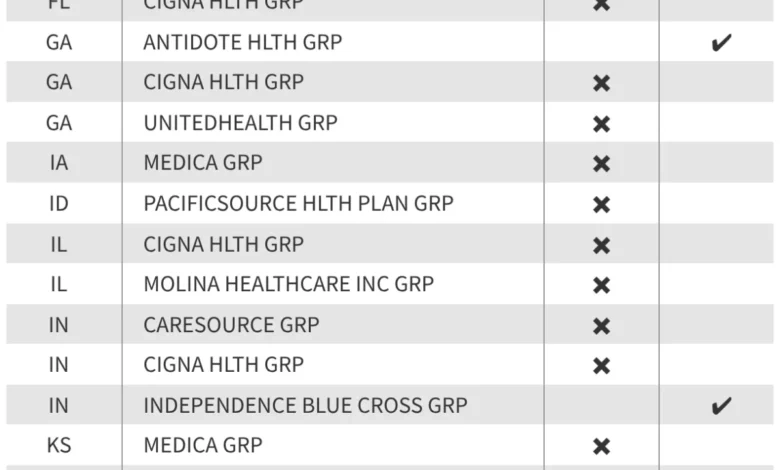
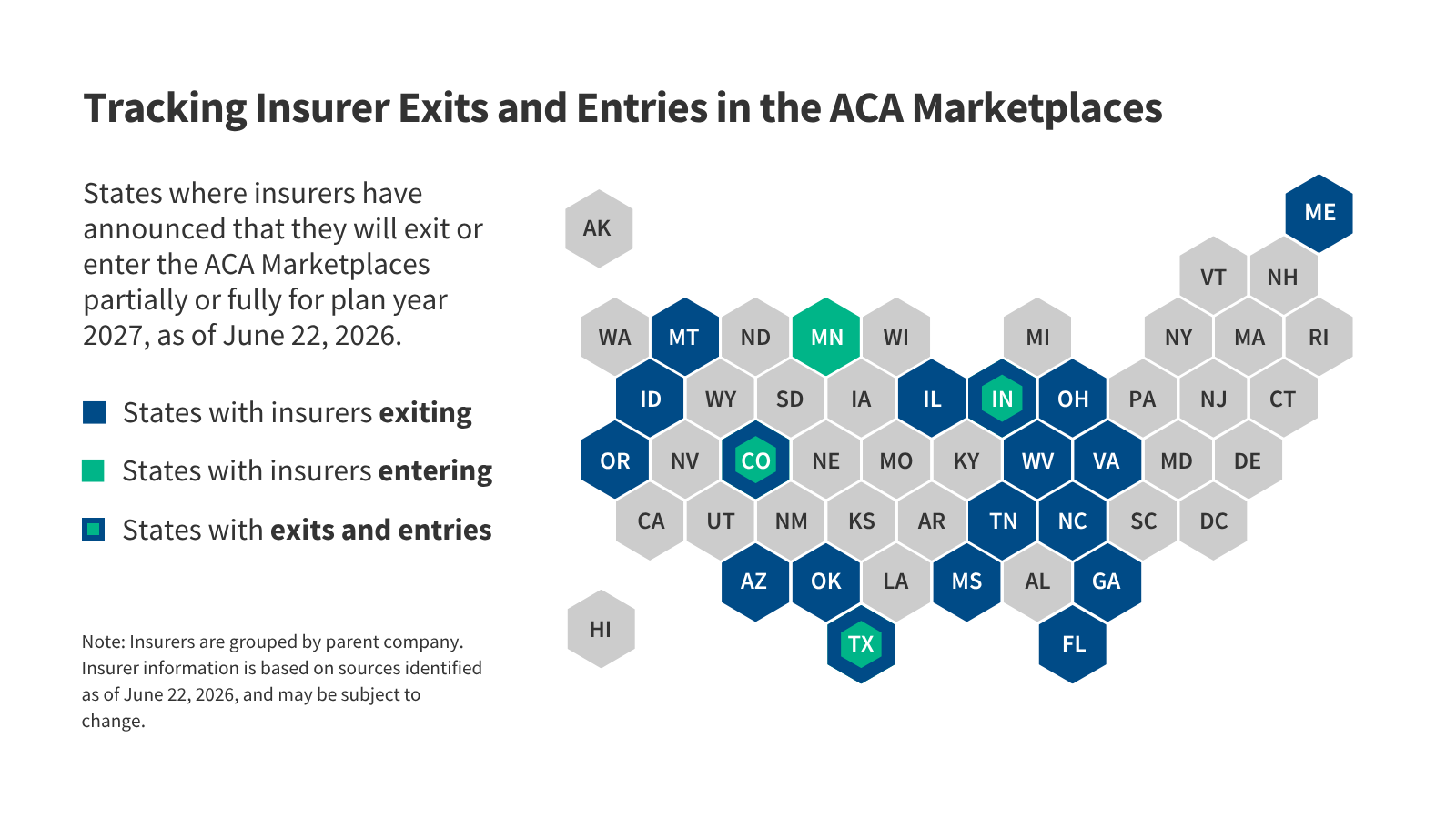
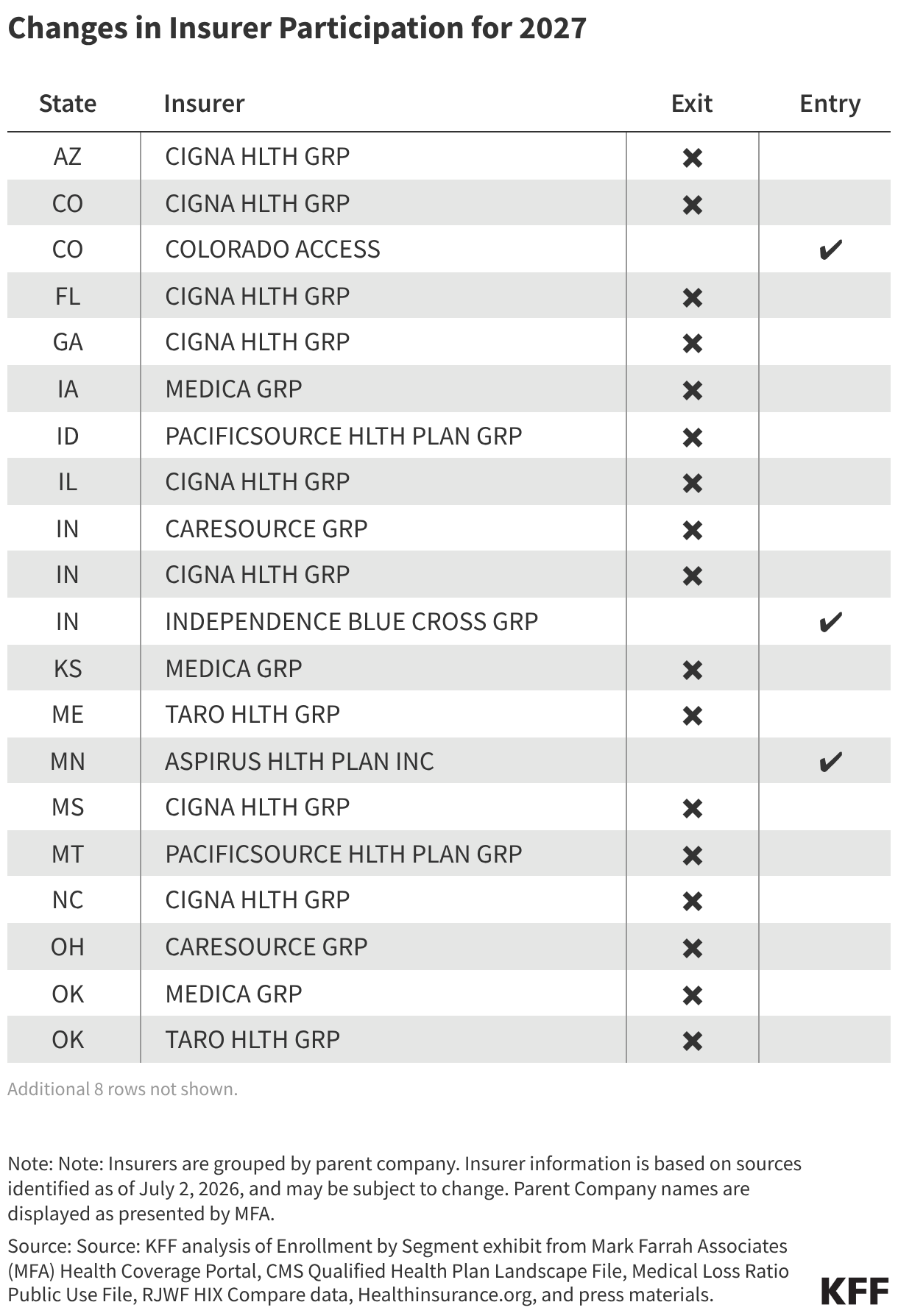
The landscape of the Affordable Care Act (ACA) Marketplaces is undergoing a profound structural shift as insurance carriers finalize their participation strategies for the 2027 plan year. As of October 28, 2026, fresh federal and market data reveals that 11 health insurance carriers have officially announced plans to fully or partially exit the ACA Marketplaces across various states. Conversely, only seven carriers have signaled plans to enter new state marketplaces during the same cycle. This wave of contractions and targeted expansions marks a critical juncture for the federal health exchanges, driven largely by shifting legislative landscapes, diminishing subsidies, and an increasingly uncertain risk pool.
The current wave of insurer departures is not happening in a vacuum. It follows closely on the heels of the expiration of enhanced premium tax credits at the end of fiscal year 2025. These enhanced subsidies, which were originally introduced during the COVID-19 pandemic under the American Rescue Plan and subsequently extended through the Inflation Reduction Act, had successfully driven ACA Marketplace enrollment to historic highs. By artificially lowering monthly premiums for millions of Americans, the credits drew a massive, diverse population of consumers into the individual insurance market.
However, with Congress allowing those enhanced credits to lapse at the conclusion of 2025, the financial burden on policyholders has escalated dramatically. The immediate consequence was a sharp contraction in consumer participation. Data from the Open Enrollment Periods indicates that sign-ups plummeted by over one million individuals from the 2025 cycle to the 2026 cycle. Furthermore, healthcare analytics and policy watchdogs project that membership numbers will continue to drift downward throughout 2026 as attrition takes its toll on policyholders facing higher monthly bills.
Chronology of the ACA Marketplace Shift
To understand how the market arrived at the current threshold for 2027, it is necessary to examine the cascading timeline of policy changes and insurer adjustments:
- Late 2025: Congress fails to pass a permanent extension of the enhanced premium tax credits, setting the stage for their expiration on December 31, 2025. Insurers begin drafting their preliminary rate filings for the 2026 plan year with heightened caution.
- Early 2026 (Open Enrollment): The 2026 Open Enrollment Period records a steep drop of over one million enrollees compared to the previous year, signaling the immediate price sensitivity of the marketplace consumer base.
- Spring 2026: Major health conglomerates begin releasing their quarterly financial reports. Payer executives openly discuss the shrinking profitability of individual market segments in the wake of lowered enrollment volumes.
- June 11, 2026: Initial industry briefs are published, highlighting early indicators of carrier hesitation for the upcoming 2027 planning cycle.
- Summer and Early Fall 2026: Actuarial teams model the compounding effects of continuing member attrition, particularly concerning the composition of the remaining risk pool.
- October 28, 2026: Official tallies confirm that 11 carriers have formally notified state and federal regulators of their intention to exit the ACA Marketplaces for 2027, while just seven new entrants prepare to test the waters in select alternative state jurisdictions.
The Mechanics of Attrition and Risk Pool Dynamics
The reduction in overall marketplace enrollment carries systemic implications that extend far beyond simple revenue losses for insurance companies. At the heart of the issue is the economic principle of the health insurance risk pool. In a healthy, stable insurance market, a broad cross-section of consumers—ranging from individuals with chronic health conditions to entirely healthy, young adults who rarely utilize medical services—must purchase coverage to balance out overall expenditures.
When premium subsidies expire, cost-sensitive consumers are the first to drop their coverage. Because younger and healthier individuals are statistically more likely to view health insurance as an optional monthly expense when prices rise, they disproportionately abandon their policies. Conversely, individuals with ongoing medical needs and chronic illnesses find ways to maintain their coverage because the cost of going without care far outweighs the inflated premium prices.
This behavioral dynamic leaves behind a sicker, higher-utilizing risk pool. As average medical claims per member rise, insurers are forced to increase premiums further to maintain financial solvency. This creates a classic adverse selection death spiral: higher premiums drive out more healthy people, which drives up average claims, which necessitates even higher premiums. Recognizing this macro-level risk, multiple carriers have chosen to preemptively cut their losses rather than attempt to navigate an increasingly volatile individual exchange market.
Major Industry Departures: The Case of Cigna
Among the most high-profile strategic withdrawals for the 2027 plan year is the decision by Cigna to entirely exit the individual ACA Marketplace market. Cigna, a major player in the global health services sector, reported robust financial health overall—including a notable $1.65 billion profit beat in its first-quarter earnings. However, its footprint in the individual exchange segment has been on a downward trajectory for several years.
In statements accompanying their financial disclosures, corporate leadership laid bare the strategic rationale behind the exit. Executives noted that the ACA exchange business represented a relatively small fraction of Cigna’s overall enterprise portfolio and that growth prospects had stalled significantly. "This is small business for us today, and it’s been shrinking in recent years," management noted during investor briefings. By stepping away from the individual market, Cigna aims to reallocate capital, administrative resources, and executive focus toward its core, high-growth business platforms across the broader enterprise.
Cigna’s departure carries substantial localized impacts. The company reported first-quarter on-exchange enrollment exceeding 350,000 individuals. With the company set to exit the 11 states where it currently operates both on- and off-exchange, hundreds of thousands of consumers will be forced to shop for alternative coverage during upcoming enrollment windows.
Furthermore, Cigna is not acting in isolation. In several key regional markets, multiple insurers are simultaneously announcing exits or significant footprint reductions for 2027. This synchronized contraction concentrates the market among a smaller number of remaining providers.
Implications for Consumer Choice and Competition
The withdrawal of 11 carriers—coupled with the modest entry of only seven new alternatives—inevitably reshapes the competitive dynamics of regional health insurance markets. In economic terms, fewer participating insurers translates directly into reduced competition.
In numerous rural and suburban counties across the United States, consumers already face limited choices, sometimes depending on a single dominant carrier for exchange-based coverage. As additional insurers pull out of these states or specific rating areas, local markets risk sliding into monopolistic or duopolistic conditions. Without robust competition to drive down prices and encourage innovative benefit designs, remaining insurers face diminished market pressures to keep premiums competitive.
For consumers, the fallout will manifest as reduced plan variety, fewer network options, and potentially higher out-of-pocket costs. Policyholders whose current plans are being terminated will be required to actively navigate the enrollment portals to select new coverage, adding administrative friction and consumer anxiety to an already strained healthcare purchasing process. State insurance commissioners and exchange directors now face the daunting task of recruiting new carriers to fill coverage gaps, particularly in counties at risk of becoming "bare" or served by a single insurer.
Broader Economic and Political Context
The timing of these market adjustments aligns with intense national debates surrounding healthcare affordability, federal spending, and legislative priorities. As part of KFF’s ongoing comprehensive coverage tracking health issues in relation to political cycles—including specialized policy research, polling, and reporting centered around the 2026 midterm elections—analysts are closely monitoring how healthcare costs and insurance stability resonate with the American electorate.
The expiration of the enhanced premium tax credits has transformed healthcare affordability into a primary kitchen-table issue. Lawmakers on both sides of the aisle are under mounting pressure from constituents facing sudden premium hikes and disrupted coverage networks. While proponents of allowing the enhanced credits to expire argued that temporary pandemic-era fiscal expansions needed to be reined in to address the national deficit, critics warned that the withdrawal of federal support would destabilize the individual market and push insurance out of reach for working-class families.
The decisions made by carriers like Cigna and ten other national and regional health plans for the 2027 plan year provide a real-time test of how the private insurance market adapts when public subsidies recede. Insurer risk models are adjusting to a smaller, less subsidized pool of consumers, leading to a rationalization of product offerings that prioritizes corporate profitability over broad geographic market share.
Looking Ahead to 2027 and Beyond
As the health insurance industry prepares for the 2027 plan year, all eyes remain on federal regulators, state insurance departments, and legislative bodies. The interplay between federal tax policy, state-level exchange interventions, and private insurer strategy will dictate whether the ACA Marketplaces can maintain their stability or whether further contractions lie ahead.
For now, the overarching message from the insurance sector is one of calculated caution. Payers are trimming underperforming segments, doubling down on profitable enterprise divisions, and leaving consumers to navigate an increasingly concentrated marketplace. As open enrollment approaches, millions of Americans will find that their traditional plan options have vanished, underscoring the fragile equilibrium upon which the modern individual health insurance market rests.