Idaho Families Face Ongoing Financial Strain and Caregiver Shortages One Year After State Ends Paid Family Care Program

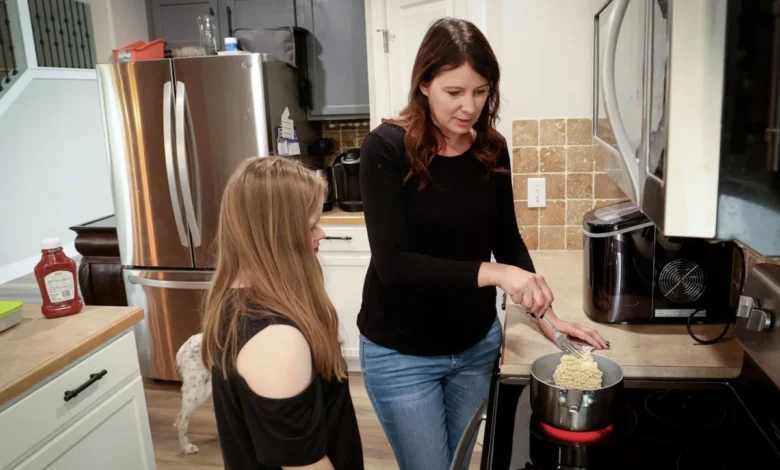
More than a year after the Idaho Department of Health and Welfare officially terminated the Family Personal Care Services program, affected families report enduring severe financial distress, worsening health outcomes for their medically complex children, and an exhaustive search for non-existent outside labor. The cancellation of the program, which temporarily allowed parents and spouses to receive Medicaid compensation for providing critical, hands-on care to disabled family members, has left hundreds of households in a state of crisis as they navigate Idaho’s acute direct-care workforce shortage.
Background Context and Policy Origins
The inception of paid family caregiving in Idaho traces back to the extraordinary circumstances of the COVID-19 pandemic. Prior to 2020, strict federal and state Medicaid regulations routinely prohibited legally responsible adults—such as parents and spouses—from receiving financial compensation for caregiving services rendered to immediate family members within the same household.
However, as public health emergencies strained healthcare systems and heightened infection risks in institutional and community settings, federal regulators granted regulatory flexibilities. These waivers permitted states to establish programs compensating family members who assumed the role of direct support professionals.
Idaho capitalized on this flexibility by implementing the Family Personal Care Services (FPCS) program. The initiative quickly gained widespread traction, providing a lifeline to hundreds of families across the state who suddenly found themselves isolated by pandemic lockdowns while managing severe developmental, physical, and medical needs at home. For many, the program bridged the gap between institutional placement and sustainable home-based care.
The Termination of the Program
The landscape shifted dramatically in July 2025 when the Idaho Department of Health and Welfare made the administrative decision to sunset the FPCS program. Agency officials cited systemic concerns, including internal findings of fraud and abuse, alongside administrative challenges. According to the department, the state lacked the requisite administrative staffing and financial resources to properly monitor, audit, and administer the program over the long term.
When the program concluded, state figures indicated that approximately 900 individuals had been utilizing its services. Despite the termination of direct parent and spouse compensation, these families remained nominally eligible for standard personal care services—assistance that encompasses essential activities of daily living, including bathing, dressing, toileting, and feeding.
However, receiving these services is contingent upon employing external professional caregivers. This requirement collided head-on with an entrenched labor shortage that continues to plague Idaho’s healthcare sector.
The Direct Care Workforce Crisis in Idaho
The shortage of direct support professionals is a well-documented national issue, but structural analyses indicate that Idaho faces acute vulnerabilities. A comprehensive 2023 report from the Idaho Office of Performance Evaluations highlighted that the state’s direct care workforce challenges are among the most severe in the region.
Compounding the labor deficit are reimbursement rates that stakeholders argue fail to compete with neighboring states or private-sector employment opportunities. Data from the fiscal notes of legislative proposals indicate that while Idaho reimburses personal care services at approximately $24 per hour, the actual take-home wage for caregivers is significantly lower after accounting for agency overhead, taxes, and operational costs.
In June following the program’s closure, Department of Health and Welfare data revealed that only about half of the nearly 900 individuals previously enrolled in the FPCS program had successfully secured Medicaid-funded direct care workers from external agencies. For the remaining families, the approved care hours existed only on paper, leaving them to shoulder 100% of the labor without state support.
Legislative Efforts and Political Stalemate
Recognizing the mounting crisis, state lawmakers attempted to revive the program during the subsequent legislative session. Representative Ilana Rubel, a Democrat from Boise, sponsored a bill designed to reinstate the Family Personal Care Services program equipped with robust regulatory guardrails, fraud-prevention mechanisms, and stakeholder input from the Department of Health and Welfare.
Despite these provisions, the legislation stalled. The chair of the House Health and Welfare Committee declined to schedule a public hearing for the bill, a decision driven largely by broader legislative initiatives focused on budget constraints and revenue reductions.
"We just need to get the state to stop bankrupting itself with reckless revenue reductions and actually leave us with enough revenue to be able to provide basic services like this," Rep. Rubel stated during interviews regarding the legislative roadblock. "These families need it desperately. There’s no question in my mind about that, and we owe it to them. It’s unconscionable that we’re leaving these families in the lurch like this."
Proponents of the legislation argue that because these families are already fully qualified to receive third-party personal care services under existing Medicaid guidelines, reinstating payments to qualified family members should theoretically represent a shift in payment mechanism rather than a massive influx of new state expenditures.
Personal Toll on Idaho Families
The absence of a functioning caregiver workforce and the permanent loss of the FPCS program have forced families to radically restructure their daily lives, often at the expense of financial stability and parental well-being.
Challis Hopwood of Sweet, Idaho, cares for her nearly 5-year-old son, Leon, who was born prematurely and lives with quadriplegic cerebral palsy, skeletal dysplasia, and microcephaly. Fully dependent on a wheelchair and nonverbal, Leon requires around-the-clock medical management. Hopwood noted that the FPCS program previously provided 15 hours of compensated care per week, stabilizing their household budget. Today, despite her husband working full-time, the family struggles with overdue mortgage payments, mounting debt, and reduced access to necessary therapies due to transportation costs.
"Since the program ended, we haven’t been able to make ends meet," Hopwood said. "It’s like we’re constantly living above our means because we can’t keep up with his therapies. Just losing the program was like getting the carpet yanked up from under us."
Similarly, Trixy Wade of Nampa navigates the realities of raising an 11-year-old daughter, Harper, who lives with severe cerebral palsy, brain damage, scoliosis, and continuous nutritional feeding tubes. Following major spinal surgery, Harper required two-person lift support. Because external agency workers could not be sourced, Wade and her husband were forced to split their work schedules across opposing shifts, ensuring one parent is always home but eliminating any possibility of shared family stability or financial padding.
Angela Ramirez, also of Nampa, faced critical safety concerns when attempting to utilize outside agency caregivers for her children, who live with autism, postural orthostatic tachycardia syndrome (POTS), and cerebral palsy. After encountering inadequate supervision—including an emergency incident where her daughter was found unresponsive—Ramirez elected to keep care within the family, opening a specialized daycare while managing mounting medical expenses and unpaid care labor.
For Jessica Godsill, whose 9-year-old son Liam deals with a rare genetic microdeletion and severe hypotonia, the loss of the program coincided with grueling night shifts as a bartender to pay mounting medical bills. The erratic schedule has exacerbated Liam’s separation anxiety and sleep deprivation, triggering a noticeable decline in his therapeutic progress and daily stability.
"As a single parent, it’s all on me," Godsill said. "Not having any of the support that we need has been awful, to be honest. It’s been hard to figure out how to juggle everything when you have a child who needs 24/7 care."
Angie Hodge of Idaho Falls shares similar concerns. Her 12-year-old daughter, diagnosed with DiGeorge syndrome, cerebral palsy, and complex cardiac history, qualifies for 30 hours of weekly care that remains unfulfilled by the open market. Hodge and her husband have accumulated multiple side gigs—ranging from face-painting to rideshare and delivery shifts—to supplement the engineer’s full-time salary.
Broader Implications and Future Outlook
The ongoing impasse in Idaho highlights a persistent structural tension within modern Medicaid administration: balancing strict fiscal oversight and anti-fraud enforcement against the real-world operational limits of the healthcare labor market.
Public health analysts note that when state programs fail to support informal family caregivers, secondary costs frequently shift to other state-funded sectors. Families pushed into extreme poverty or exhaustion often turn to higher-cost interventions, including emergency room utilization, institutional placement, intensive public assistance programs, or specialized skilled nursing care billed at substantially higher rates to the state.
As families organize ahead of the upcoming legislative session, lawmakers face mounting pressure to address the structural deficits within Idaho’s home- and community-based services. Whether the state will revisit compensated family care models remains uncertain, but affected households maintain that structural reform is essential to preventing further economic and personal collapse among Idaho’s most vulnerable populations.
Related posts: