Comprehensive Overview of United States Global Health Programs and Strategic Initiatives for Fiscal Year 2024

The United States government maintains an extensive network of global health programs spanning more than 80 countries, representing one of the most significant pillars of American foreign assistance and international development policy. In the 2024 fiscal year, these bilateral efforts continue to address a complex array of health challenges, ranging from infectious disease control to the strengthening of local health systems and the enhancement of global health security. Through a combination of direct bilateral support, regional initiatives, and substantial contributions to multilateral organizations, the U.S. remains the world’s largest donor to global health. These programs are not merely philanthropic; they are strategically designed to bolster international stability, promote economic growth in developing nations, and protect the American public from the cross-border spread of disease.
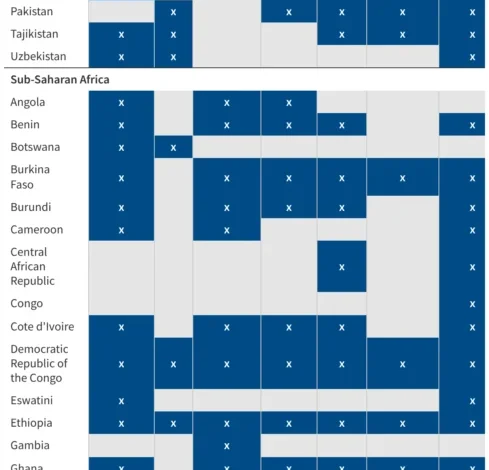
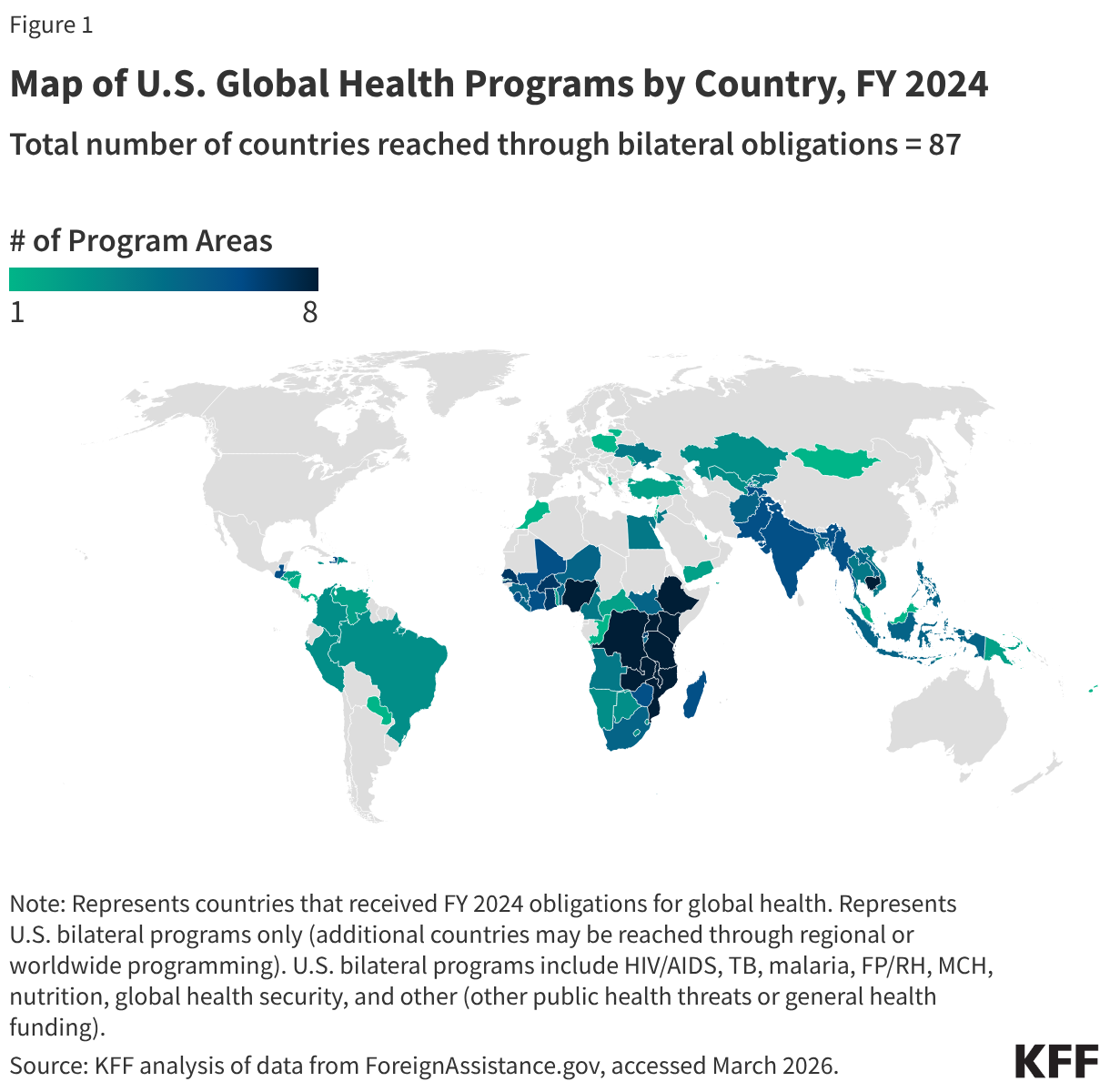
The operational framework of U.S. global health engagement is categorized into several specialized program areas, each targeting specific health outcomes. These include the President’s Emergency Plan for AIDS Relief (PEPFAR), the President’s Malaria Initiative (PMI), and focused efforts in tuberculosis (TB) control, family planning and reproductive health (FP/RH), maternal and child health (MCH), nutrition, and global health security. As of the current fiscal cycle, the U.S. government’s data indicates a robust presence in diverse geographic regions, with the highest concentration of multi-program engagement located in sub-Saharan Africa, followed by significant investments in South and Central Asia, Southeast Asia, and the Western Hemisphere.
The Pillars of U.S. Global Health Assistance
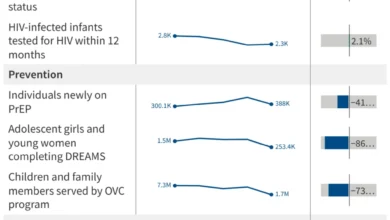
The breadth of U.S. global health programs is defined by several flagship initiatives that have evolved over decades. The most prominent of these is PEPFAR, launched in 2003. PEPFAR has transformed the global response to HIV/AIDS, moving from a focus on emergency relief to sustainable epidemic control. In FY 2024, PEPFAR continues to support millions of people with life-saving antiretroviral therapy (ART) and has expanded its focus to include the prevention of mother-to-child transmission and support for orphans and vulnerable children.
The President’s Malaria Initiative (PMI), another critical component, serves as the vanguard for U.S. efforts to reduce malaria-related mortality. Working primarily in sub-Saharan Africa and the Greater Mekong Subregion, PMI provides insecticide-treated bed nets, indoor residual spraying, and rapid diagnostic tests. These efforts are closely coordinated with the Global Fund to Fight AIDS, Tuberculosis, and Malaria, illustrating the synergy between U.S. bilateral programs and multilateral investments.
Beyond infectious diseases, Maternal and Child Health (MCH) and Nutrition programs represent a long-term commitment to human capital development. These programs focus on the "first 1,000 days"—the period from pregnancy to a child’s second birthday—which is critical for physical and cognitive development. By providing immunizations, prenatal care, and nutritional supplements, the U.S. aims to reduce preventable child and maternal deaths, a goal that aligns with the United Nations’ Sustainable Development Goals.
Historical Context and Evolution of Global Health Policy
The current landscape of U.S. global health engagement is the result of a multi-decade evolution in foreign policy. Following World War II, U.S. health assistance was largely ad hoc, often tied to specific humanitarian crises or military interests. The establishment of the U.S. Agency for International Development (USAID) in 1961 marked a turning point, centralizing development efforts and making health a formal component of the U.S. foreign aid portfolio.
The 1990s saw a shift toward more specialized health interventions, but it was the early 2000s that witnessed a paradigm shift. The creation of PEPFAR under the George W. Bush administration represented an unprecedented financial and political commitment to a single disease. This was followed by the launch of PMI in 2005. During the Obama administration, the Global Health Initiative (GHI) attempted to integrate these various programs into a more cohesive, "whole-of-government" approach, emphasizing the strengthening of health systems rather than just treating specific diseases.
In the post-COVID-19 era, the focus has shifted significantly toward Global Health Security. The pandemic underscored the reality that a health threat anywhere is a threat everywhere. Consequently, the FY 2024 budget reflects an increased emphasis on pandemic preparedness, surveillance systems, and laboratory capacity in partner countries to detect and respond to emerging pathogens before they become global crises.
Regional Distribution and Geographic Impact
The geographical allocation of U.S. global health resources is determined by a combination of disease burden, country capacity, and strategic interests. Sub-Saharan Africa remains the primary recipient of U.S. health assistance, hosting the majority of PEPFAR and PMI focus countries. This region faces the highest burden of HIV/AIDS and malaria, making it the central theater for U.S. infectious disease interventions.
In Asia, U.S. programs often focus on tuberculosis and global health security. Countries like India, Indonesia, and the Philippines are critical partners in the fight against TB, which remains a leading cause of death globally. Meanwhile, in the Western Hemisphere, U.S. assistance frequently targets maternal and child health and family planning, alongside efforts to combat emerging threats like Zika or dengue fever.
The FY 2024 data reveals that while some countries receive support in only one or two areas—often Global Health Security or TB—others are "comprehensive partners" receiving support across all seven major program areas. These comprehensive partnerships are typically found in nations with long-standing developmental ties to the U.S., such as Ethiopia, Kenya, Nigeria, and Tanzania.
Budgetary Framework and Funding Mechanisms
The funding for U.S. global health programs is a complex process involving multiple federal agencies. While USAID is the primary implementer of many health programs, the Centers for Disease Control and Prevention (CDC) provides essential technical expertise and laboratory support. The Department of State oversees the diplomatic coordination of these programs, particularly through the Office of the U.S. Global AIDS Coordinator.
For FY 2024, the U.S. global health budget remains a significant portion of the overall international affairs budget. While specific country-level allocations vary based on congressional appropriations, the total annual investment typically exceeds $10 billion. This funding is distributed through various mechanisms, including grants to non-governmental organizations (NGOs), contracts with private sector partners, and direct government-to-government assistance in select cases.
A critical aspect of the U.S. strategy is the leverage provided by multilateral contributions. By contributing to the Global Fund and Gavi, the Vaccine Alliance, the U.S. ensures that its bilateral dollars are complemented by international resources, creating a multiplier effect that expands the reach of health interventions far beyond what bilateral programs could achieve alone.
Official Responses and Strategic Objectives
Official statements from the Department of State and USAID emphasize that global health is a cornerstone of U.S. national security. Administration officials have frequently argued that healthy populations are more productive, stable, and less prone to the civil unrest that can lead to regional instability.
"Our investments in global health are some of the most effective and high-impact uses of U.S. foreign assistance," noted a recent report from the State Department. "By helping our partners build resilient health systems, we are not only saving lives but also creating a safer world for Americans."
Critics and advocates alike monitor these programs closely. While there is broad bipartisan support for initiatives like PEPFAR and PMI, debates often arise regarding the allocation of funds for reproductive health and the sustainability of long-term funding. Global health advocates frequently call for increased transparency and a greater shift toward "localization"—transferring the management and implementation of programs to local organizations within the partner countries.

Broader Implications and Future Outlook
The implications of U.S. global health programs extend far beyond immediate medical outcomes. These initiatives serve as a powerful tool of "soft power," fostering goodwill and strengthening diplomatic ties with partner nations. In many parts of the world, the U.S. is most visible not through its military or economic might, but through the clinics, vaccines, and health workers supported by American taxpayers.
However, the future of these programs faces several challenges. The rising cost of healthcare delivery, the emergence of drug-resistant pathogens, and the impact of climate change on disease patterns are all complicating the global health landscape. Furthermore, the global economic environment has placed pressure on donor budgets, leading to calls for "domestic resource mobilization"—encouraging partner countries to take on a greater share of their own health financing.
As the U.S. moves through the 2024 fiscal year, the emphasis is increasingly on sustainability and integration. The goal is to move away from vertical, disease-specific silos toward integrated health services that can address a patient’s needs holistically. Whether it is treating a mother for HIV while ensuring her child receives proper nutrition and immunizations, or building a laboratory system that can test for both TB and new respiratory viruses, the focus is on building a durable infrastructure for global health.
The U.S. global health tracker for FY 2024 serves as a vital tool for policymakers, researchers, and the public to monitor these efforts. By providing a clear overview of where and how U.S. resources are being deployed, it ensures accountability and facilitates a data-driven approach to international development. As the world continues to recover from the shocks of recent years, the U.S. commitment to global health remains a defining element of its role on the world stage, reflecting a fundamental belief that health is a prerequisite for prosperity and peace.
Related posts: