Transforming the American Home for an Aging Population: Why 90% of Residences Are Unprepared for the Silver Tsunami

The demographic reality facing the United States is stark: over 80% of older adults express a strong, unequivocal desire to age in place, maintaining their independence within the comfort of their familiar surroundings. However, this aspiration runs headlong into a harsh, unyielding physical reality. Industry assessments reveal that a staggering 90% of American homes are entirely unequipped to safely house seniors as their mobility, vision, and cognitive faculties inevitably decline. Without immediate, deliberate, and structural home modifications, staying at home rapidly transforms from a comforting lifestyle choice into a massive, life-threatening liability.
The convergence of an aging demographic—often referred to as the silver tsunami—and an archaic residential housing stock has created a public health challenge of unprecedented proportions. Most homes were designed decades ago for able-bodied adults, featuring multi-level layouts, narrow doorways, slick flooring, and unyielding staircases. As the population ages, the failure to adapt these living spaces has turned everyday domestic environments into obstacle courses. Industry experts, healthcare providers, and aging-in-place advocates argue that retrofitting residential spaces is no longer a discretionary home improvement project; it is an urgent medical and financial imperative.
The Staggering Financial and Human Cost of Inaction
The argument for proactive home modification becomes undeniable when evaluated against the skyrocketing costs of institutional long-term care. According to the 2025 CareScout Cost of Care Survey, the national median cost of an assisted living facility has surged to an astronomical $74,400 annually, while a private room in a skilled nursing home now exceeds $129,000 per year. For families living on fixed incomes, these figures represent financial devastation. In contrast, investing a fraction of that capital into structural safety modifications keeps seniors independent, preserves household wealth, and averts the need for overpriced institutional facilities.
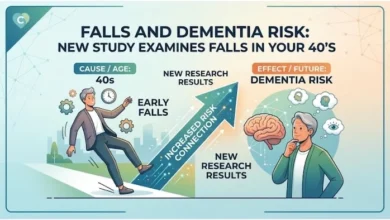
Beyond the financial calculus, ignoring home hazards virtually guarantees a dangerous emergency room visit. Data compiled by the Centers for Disease Control and Prevention (CDC) indicates that one in four Americans aged 65 and older suffers a fall each year. These incidents are rarely minor stumbles; they frequently result in traumatic brain injuries, hip fractures, and severe lacerations. The average treat-and-release emergency room visit for a senior fall costs nearly $8,900, not including the subsequent rehabilitation costs. Furthermore, clinical data shows that falling once doubles an individual’s risk of falling again, initiating a devastating cycle of physical decline and injury that routinely forces aging adults out of their homes permanently.
Chronology of the Aging-in-Place Movement and Policy Evolution
The modern push for home modifications did not emerge overnight; it is the result of decades of demographic shifts and healthcare policy evolution.
During the late 20th century, institutional care was viewed as the default and primary solution for elderly citizens requiring assistance with activities of daily living. Nursing homes and assisted living facilities expanded rapidly through the 1980s and 1990s, driven by institutional models of care.
By the early 2000s, healthcare economists and policymakers began recognizing the unsustainable financial trajectory of Medicaid and Medicare spending on institutional long-term care. Advocacy groups began pushing for "home and community-based services" (HCBS) models, emphasizing that seniors heal faster, maintain better mental health, and cost the healthcare system significantly less when they remain in their private residences.
Throughout the 2010s, architectural and design standards began shifting. Concepts like "Universal Design"—creating products and spaces that are aesthetic and usable to the greatest extent possible by people of all ages and abilities—moved from academic theory into mainstream residential architecture.
Entering the mid-2020s, the conversation shifted toward preventative technology and mandatory structural auditing. With the advent of artificial intelligence, smart home monitoring systems, and advanced biometric sensors, aging in place evolved from passive residence to active, tech-enabled safeguarding. Concurrently, insurance providers and healthcare organizations began intensifying focus on fall prevention, recognizing that home modifications are the single most effective tool for mitigating emergency medical expenditures.
The Epicenter of Risk: Prioritizing Bathroom Modifications
When embarking on a home retrofit project, safety experts universally advise starting with the highest-risk zone in any residence: the bathroom. Statistics show that nearly 80% of senior falls occur in or around the bathroom due to slick surfaces, wet tiles, and the awkward physical mechanics of entering and exiting tubs or showers.
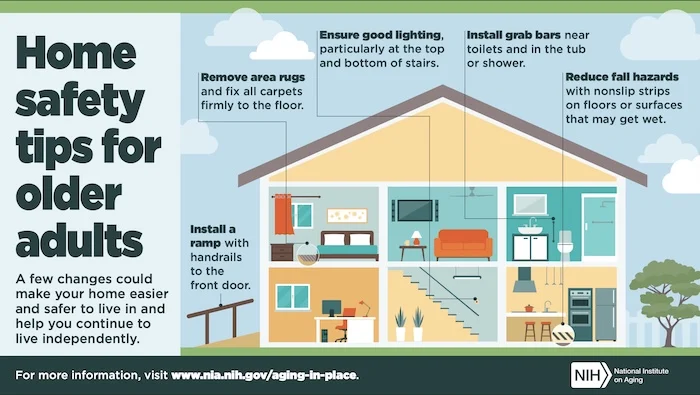
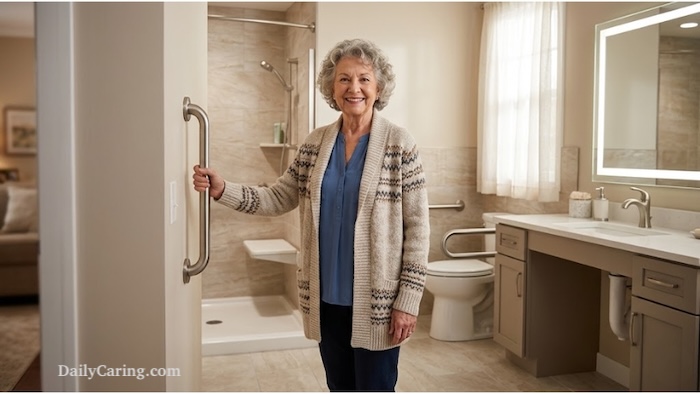
To combat this, older adults and their caregivers must install vital infrastructure, including walk-in curbless showers and strategically placed grab bars. A common, highly dangerous mistake is relying on suction-cup grab bars. These temporary devices are structurally incapable of withstanding full human body weight under emergency conditions and routinely fail. All safety equipment must be hard-mounted directly into the wall studs to provide secure support.

Additionally, homeowners must eliminate chronic trip hazards by removing loose throw rugs, securing electrical cords, and installing zero-step entryways where feasible. Upgrading to comfort-height toilets and adding non-slip flooring treatments further fortifies the space against catastrophic accidents.
High-Visibility Lighting and Nighttime Fall Mitigation
Poor lighting is frequently dismissed as a minor inconvenience, but in the context of senior living, it is a critical environmental hazard. As human eyes age, the lens yellows, the pupil shrinks, and the eye admits significantly less light, resulting in a profound loss of contrast sensitivity and depth perception. Navigating a dark, unlit hallway at 2:00 AM to reach the restroom is a textbook recipe for a severe injury.
Research analyzing data from the National Health and Aging Trends Study demonstrates that visual impairments, when combined with baseline home hazards, exponentially increase the risk of catastrophic falls. To counteract this, residences must be fitted with motion-sensor pathway lighting along every corridor connecting bedrooms to bathrooms.
Relying on manual wall switches that require fumbling in the dark is entirely inadequate. Instead, baseboard-level LED strips that activate automatically upon detecting movement provide immediate visual cues without blinding the resident or disrupting their sleep architecture. Clinical studies indicate that upgrading residential lighting—specifically incorporating circadian-rhythm lighting solutions—can reduce senior falls by over 40%, proving that illumination is a vital medical intervention.
Kitchen Accessibility and Mobility Engineering
Traditional residential kitchens are engineered exclusively for able-bodied adults. For a senior experiencing declining mobility, chronic arthritis, or someone utilizing a wheelchair, conventional kitchen layouts are actively hostile environments. Expecting an aging adult to climb a step stool to reach a high shelf or bend into deep, unorganized lower cabinets introduces unacceptable risks of strain, balance loss, and falls.
Systematically removing these mobility barriers is essential for maintaining independent living. Installing pull-down shelving hardware in upper cabinets allows heavy dishware and food items to be brought down to eye level without reaching or lifting hazards. For wheelchair users, standard base cabinets under sinks and prep stations must be removed, and countertops lowered to allow the chair to slide directly underneath, adhering closely to the spatial ratios outlined in the Americans with Disabilities Act (ADA) guidelines. While private homeowners are not legally mandated to follow ADA codes, ignoring these ergonomic dimensions guarantees that the kitchen will eventually become unusable. Furthermore, swapping traditional round cabinet knobs for ergonomic D-shaped pulls accommodates arthritic hands and weakened grip strengths.

Smart Home Integration and Passive Monitoring Systems
Relying solely on sporadic physical check-ins or phone calls is an outdated and increasingly dangerous strategy for elder care. In the modern technological landscape, failing to integrate smart home automation into a senior’s living space borders on negligence. Smart home ecosystems provide an invisible, 24/7 safety net that operates continuously without demanding constant human oversight or eroding the senior’s sense of privacy and autonomy.
The modernization process begins with voice-activated smart thermostats and lighting systems, ensuring that aging adults never have to manually adjust difficult dials or risk a fall just to illuminate a room. Voice commands successfully eliminate these micro-hazards.
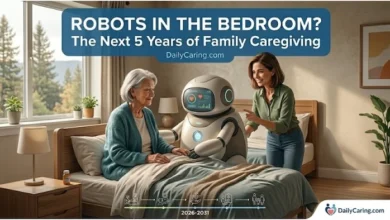
Equally critical is the transition away from legacy personal emergency response systems (PERS). Traditional panic buttons require the user to consciously press a button after a fall—an action that becomes impossible if the senior is rendered unconscious or incapacitated. Modern medical alert systems and smart home monitors leverage sophisticated artificial intelligence algorithms to automatically detect sudden falls, unusual behavioral anomalies, or abnormal drops in daily mobility patterns. If an emergency occurs, these systems instantly bypass the user and alert family caregivers or emergency dispatchers directly, dramatically reducing emergency response times.
Economic Analysis: The Stark Reality of Medicare Coverage
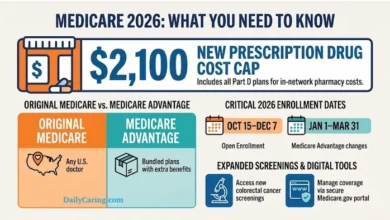
Despite the overwhelming clinical and financial evidence proving that home modifications prevent costly hospitalizations and institutional placements, public health funding structures remain profoundly misaligned. For families hoping that federal insurance programs will bridge the financial gap, the data is sobering: only a tiny fraction of Medicare Advantage plans offer partial coverage for structural home modifications.
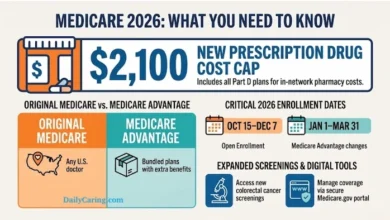
Original Medicare maintains a strict statutory exclusion, refusing to pay for the construction, materials, or labor required for home modifications. Government administrators classify items like stud-mounted grab bars, pull-down shelving, ramps, and walk-in showers as home improvements rather than durable medical equipment. Consequently, families must plan to finance these critical health and safety updates entirely through private funds, home equity lines of credit, or specialized state-level grants where available.
The Final Verdict: Acting Before a Crisis Forces Your Hand
Aging in place is not a passive state of being; it is an active, deliberate structural defense strategy. Hoping for the best without making concrete physical alterations to the home environment virtually guarantees a catastrophic fall and an involuntary, emergency-driven transition into a $74,400-a-year institutional facility.
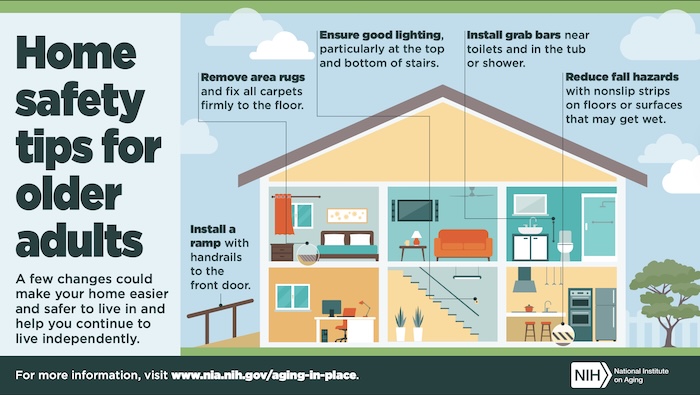
Caregivers, family members, and older adults must view stud-mounted grab bars, motion-sensor lighting, zero-step entries, and AI-powered fall detection systems not as optional aesthetic upgrades or weekend DIY projects, but as non-negotiable medical interventions.
Do not wait for a midnight medical emergency or a fractured hip to dictate your living arrangements. Audit your residential environment immediately, allocate the necessary private resources, and execute these essential home modifications before the home itself transforms into the single greatest threat to your independence and well-being.