The Myth of the Protein Shake: Why More Protein Won’t Automatically Build Muscle


The multi-billion-dollar fitness and supplement industry has long promoted a straightforward equation: heavy resistance training combined with an abundance of dietary protein, shakes, and bars equals rapid muscle growth. However, nutritional science and physiological research present a more nuanced, and often contradictory, reality. While protein is undeniably essential for human survival and cellular repair, simply consuming excess amounts of it does not inherently trigger muscle hypertrophy.
To better understand the complex relationship between diet, skeletal muscle, and physical activity, recent insights from leading biochemical and molecular nutrition researchers highlight the growing disconnect between commercial marketing claims and biological science. Experts emphasize that the human body operates under strict physiological parameters, utilizing only the protein it requires for baseline maintenance and repair, while discarding or converting the surplus.
The Biological Function of Dietary Protein and Amino Acids
At a cellular level, dietary protein is necessary because it supplies the nine essential amino acids that the human body cannot synthesize on its own. These amino acids serve as the fundamental building blocks required to construct and repair various tissues, including skeletal muscle protein.
Individual protein requirements fluctuate significantly depending on a variety of biological and lifestyle factors, including overall body size, body composition, chronological age, and daily physical activity levels. Despite decades of nutritional research, the scientific community continues to debate the exact minimum requirement levels needed for optimal health, how these thresholds vary among specific demographic groups, and how they shift across different stages of the human lifespan.
Currently, the established dietary guideline for healthy adults recommends consuming a minimum of 0.8 grams of protein per kilogram of body weight daily, which translates to roughly 0.36 grams per pound. However, public health organizations frequently debate whether this baseline is sufficient for active populations or aging demographics.
The Limits of Muscle Hypertrophy Through Excess Protein
A prevalent misconception in modern fitness culture is that increasing daily protein consumption will directly translate to larger muscles, regardless of whether a person is engaging in strength training. Nutritional scientists clarify that this assumption is only partially accurate under specific circumstances.
If an individual is chronically consuming less protein than their body requires to maintain its current tissue mass, increasing intake up to the adequate level will indeed help preserve existing muscle and prevent catabolic breakdown. However, consuming protein in quantities that exceed the body’s actual physiological requirements does not stimulate additional muscle growth.
Data compiled by public health agencies indicates that the vast majority of individuals in developed nations already consume enough dietary protein to comfortably meet their baseline physiological needs. Consequently, simply adding more protein to an already adequate diet yields negligible muscle-building results. The primary exception to this trend involves older adults, a demographic where at least 25 percent fail to meet the minimum recommended daily protein intake, placing them at higher risk for age-related muscle degradation.
Strength Training, Aging, and the Diminishing Returns of Extra Protein
For individuals who actively engage in resistance training, the primary driver of muscle adaptation is mechanical tension—meaning the physical contraction and stress placed on the muscle fibers during exercise. While some scientific literature suggests that moderately higher protein intakes can marginally enhance muscle mass gains during structured strength programs, the overall effect size is relatively small.
Furthermore, research demonstrates that the anabolic benefits of additional protein are most pronounced in younger populations and steadily decline as individuals advance in age. A notable clinical trial conducted by university researchers enrolled 80 older adults in a rigorous, six-month resistance training program. The participants were divided into two groups: one received a daily placebo beverage, while the other consumed a supplement containing 40 grams of high-quality whey protein daily.
At the conclusion of the six-month trial, researchers observed that participants in both groups experienced statistically equivalent improvements in muscular strength and overall muscle mass. The introduction of significant amounts of high-quality supplemental protein provided no measurable added benefit for the older cohort. Systematic reviews of randomized controlled trials—widely considered the gold standard for establishing cause-and-effect in clinical research—consistently show that the advantages of high-protein diets combined with resistance training are remarkably modest. Furthermore, many of these clinical trials are inherently constrained by short observation windows, leaving open the question of whether multi-year interventions might reveal more pronounced differences.
Vulnerable Populations: The Elderly and Those Undergoing Weight Loss
While healthy, active younger adults rarely require protein supplementation, specific populations can derive tangible health benefits from targeted dietary adjustments. Chief among these are older adults who suffer from chronic underconsumption of protein.
As part of the natural aging process, humans experience a progressive loss of muscle mass and function, a condition clinically known as sarcopenia. Inadequate daily protein intake accelerates this decline. Addressing nutritional deficits in older demographics is critical for preserving mobility, metabolic health, and overall independence later in life.
Additionally, individuals undergoing intentional weight loss through caloric restriction can benefit from elevating their protein intake slightly above baseline minimum recommendations. During periods of energy restriction, the body often breaks down both fat and lean muscle tissue for energy. A moderately higher protein intake helps attenuate this muscle loss, particularly when paired with regular resistance exercise.
The primary challenge during weight loss is prioritizing lean protein sources without exceeding daily caloric limits or unbalancing the overall diet to the point where other vital nutrient groups are displaced. Moreover, experts warn against relying on red and processed meats to meet elevated protein goals, as excessive consumption of these items correlates with long-term cardiovascular and metabolic health risks.
Navigating the Supplement Market: Whole Foods Versus Ultraprocessed Products
The commercial market is saturated with specialized protein powders, ready-to-drink shakes, and fortified meal replacement bars. Nutritionists consistently advise that whole and minimally processed foods should form the cornerstone of any healthy dietary pattern.
For individuals who genuinely require supplementation due to dietary restrictions, time constraints, or elevated physiological demands, experts recommend selecting high-quality, unadulterated products. Consumers are urged to exercise caution when purchasing ultraprocessed, highly sweetened protein-enhanced products that function more like confectionery items than health foods. High-quality protein supplements derived from sources such as whey, soy, or pea protein isolates—absent of excessive added sugars and artificial chemical additives—can serve as acceptable adjuncts to a balanced diet.
Practical Strategies for Lifelong Muscle Health
According to leading researchers, maintaining and building skeletal muscle across the human lifespan does not require expensive gym memberships, specialized athletic apparel, or costly commercial supplements. Instead, the foundation of muscular health rests upon consistent physical activity and balanced nutrition.
Health authorities recommend engaging in regular aerobic activity complemented by one or two weekly sessions of structured resistance training. Workouts should focus on major muscle groups across the upper and lower body, including the hip extensors, quadriceps, chest, back, and arms. Resistance can be introduced through a variety of accessible modalities, ranging from free weights, weight machines, and resistance bands to calisthenics and body-weight movements such as squats, push-ups, and yoga poses.
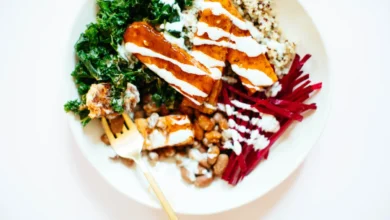
While physical conditioning is crucial, dietary habits must remain focused on whole-food sources. Legumes, beans, lentils, fish, eggs, and low-fat or fat-free dairy products offer complete or complementary amino acid profiles essential for tissue repair. Poultry can be consumed in moderation, while red and processed meats should be strictly limited to protect long-term systemic health.
Ultimately, medical and nutritional consensus emphasizes that it is never too late in life to initiate a resistance training program. However, because physiological aging makes it significantly harder to recover lost muscle tissue late in life than it is to preserve existing muscle through consistent, lifelong activity, establishing healthy habits early remains the most effective strategy for ensuring long-term vitality and physical independence.