Navigating Daycare Fever Policies and Child Health Guidelines for Working Parents

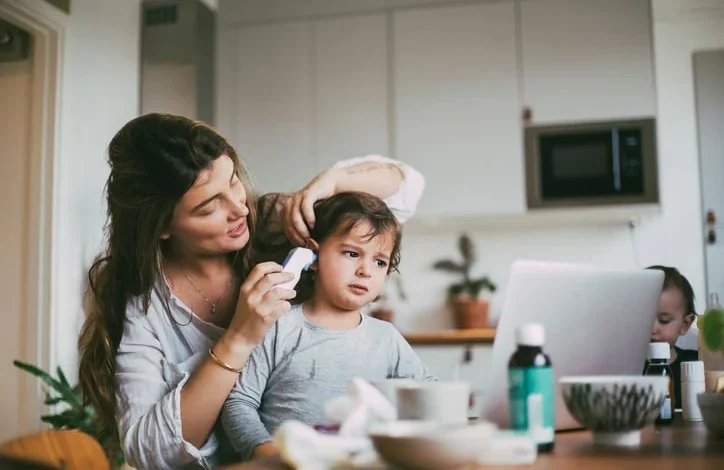
It is 6 a.m., the alarm clock is buzzing, and you are mentally preparing for a high-stakes morning meeting when you feel the warmth radiating from your child’s forehead. A quick check reveals a temperature of 100.5 degrees Fahrenheit. In the modern landscape of child-rearing and professional commitments, this moment triggers a cascade of logistical challenges. For millions of working parents, the question is immediate: Can my child go to daycare with a fever? While the professional pressure to maintain a routine is significant, the prevailing medical consensus and the strict operational mandates of childcare facilities across the country dictate that a fever is a definitive barrier to attendance.
Understanding the rationale behind these policies requires looking beyond the immediate inconvenience. Pediatricians and public health experts maintain that fever policies are not merely arbitrary rules but essential protocols designed to protect the collective health of childcare environments. When a child presents with a temperature at or above 100.4 degrees Fahrenheit (38 degrees Celsius), it serves as a clinical indicator that the body is mounting an immune response to an underlying infection. During this initial stage of illness, the child is often at their peak level of viral or bacterial shedding, making them highly contagious to peers and staff.
The Clinical Definition and Accuracy of Temperature Measurement
The threshold for a fever—100.4 degrees Fahrenheit—is a standard recognized by the American Academy of Pediatrics (AAP). This specific number is not chosen at random; it represents the point at which physiological changes in the body become clinically significant enough to warrant monitoring. However, determining that temperature accurately can be a point of confusion for parents, particularly those with infants or toddlers who struggle to remain still.
Dr. Andrew Elliston, a pediatrician and co-founder of Elliston Health, emphasizes that the method of measurement is just as important as the reading itself. For infants, a rectal thermometer remains the gold standard for accuracy. As children grow and develop the maturity to cooperate, oral readings become viable. For toddlers and preschoolers, temporal artery thermometers—which scan the forehead—provide a non-invasive and generally reliable alternative. While ear (tympanic) thermometers are widely available, their accuracy can be compromised in children under six months of age due to the size and shape of the ear canal. Underarm (axillary) readings, while safe and easy to perform, are historically the least accurate and should generally be used only as a preliminary screening tool, with higher readings confirmed by more precise methods.
The 24-Hour Rule: Rationale and Implementation
Most licensed daycare facilities implement a strict "24-hour rule," which stipulates that a child must be fever-free for at least 24 hours without the assistance of fever-reducing medications like acetaminophen (Tylenol) or ibuprofen (Motrin). The logic behind this policy is rooted in the physiological reality of symptom suppression.
When a parent administers a fever reducer, the medication effectively masks the symptoms of the infection but does not address the underlying pathogen. By sending a child to daycare under the influence of these drugs, parents risk exposing the entire facility to an active infection that could have been contained. Dr. Tracy Tyson, a board-certified pediatrician, notes that this practice is a primary driver of the rapid spread of illnesses during the cold and flu season. When medication wears off, the fever often returns, and the child—who may have been momentarily energized by the drug—suddenly becomes symptomatic in a high-density group setting, leading to mid-day calls for parents to retrieve their children.

Broader Implications for Childcare and Workforce Stability
The tension between employment obligations and childcare health mandates represents a significant socio-economic challenge. According to data from the Bureau of Labor Statistics, a substantial portion of the American workforce consists of dual-income households or single-parent families who lack the luxury of flexible remote work. When a child is sent home with a fever, the impact is immediate: a parent must abandon their professional responsibilities, potentially facing wage loss or workplace scrutiny.
However, the alternative—a more permissive attendance policy—carries significant risks for the childcare industry itself. Daycare workers operate in close quarters with children who are often too young to understand basic hygiene practices like handwashing or covering coughs. An outbreak of a contagious illness within a daycare center can force a mass closure, affecting dozens of families simultaneously. Furthermore, as Dr. Elliston points out, children with a fever are physically and emotionally compromised. They require high levels of individual attention, including increased fluid intake, frequent monitoring, and rest. Most group childcare settings are not staffed to provide the one-on-one nursing care required for a sick child, meaning that the child’s needs are often better met in the comfort and quiet of their own home.
When to Seek Professional Medical Guidance
While many fevers are the result of common viral infections that resolve on their own, there are specific scenarios where professional medical intervention is non-negotiable. Parents should consult a pediatrician if a fever is accompanied by symptoms such as a stiff neck, persistent vomiting, severe lethargy, or a rash that does not fade when pressed. Additionally, a fever that persists for more than 48 hours or one that is accompanied by signs of dehydration—such as decreased urination or a dry mouth—warrants a call to the doctor.
The chronology of a typical childhood illness usually begins with the onset of a fever, followed by the appearance of localized symptoms such as a cough, runny nose, or digestive upset. By monitoring these symptoms closely, parents can better anticipate when a child is ready to return to school. Most facilities require not only the 24-hour fever-free period but also a marked improvement in the child’s overall energy levels and appetite.
Best Practices for Working Parents
To mitigate the stress of sudden childcare disruptions, experts recommend the following strategies:
- Review the Handbook: Every daycare has a unique set of policies. Some may require a doctor’s note for readmission, especially if the illness was related to a communicable disease like strep throat or hand, foot, and mouth disease. Understanding these rules before a crisis occurs can prevent confusion.
- Establish a Backup Care Network: If possible, identify local resources, family members, or backup childcare services that specialize in caring for mildly ill children.
- Prioritize Communication: If your child is sent home, communicate clearly with the daycare staff about the symptoms observed. This helps the facility track potential clusters of illness, which may prevent others from getting sick.
- Practice Proactive Hygiene: While it is impossible to prevent all illnesses, maintaining a consistent handwashing routine at home can help reduce the frequency of infections.
Conclusion
The policy of excluding children with fevers from daycare is a necessary safeguard that prioritizes public health and the individual wellbeing of the child. While the economic strain on working parents is undeniable, the current guidelines serve as a vital defense against the rapid transmission of illnesses in communal settings. By adhering to these policies and maintaining clear lines of communication with pediatricians and childcare providers, parents can ensure that their children receive the care they need to recover fully, ultimately creating a healthier and more sustainable environment for all families involved. The focus must remain on the long-term health of the community, recognizing that a few days of recovery at home can prevent weeks of illness for the broader group.