IAPC Launches Third Infographic in "Care Continuum" Series Focusing on Palliative Care at Home

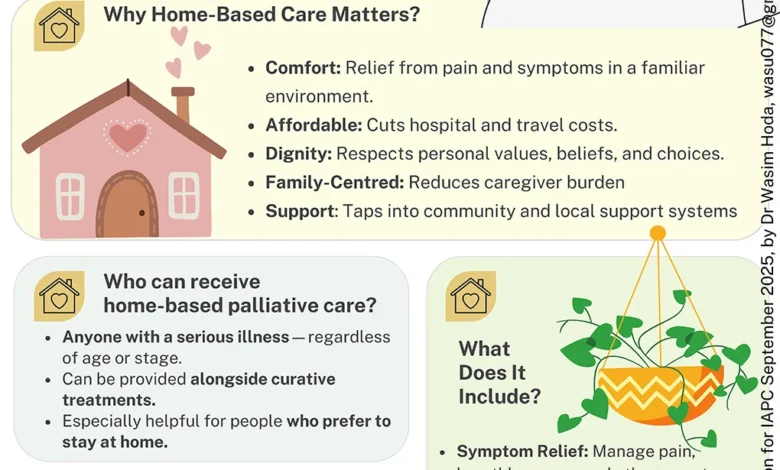
The Indian Association of Palliative Care (IAPC) has unveiled its latest educational resource, the third installment in its "Care Continuum" infographic series, dedicated this month to the critical theme of "Palliative Care at Home." This initiative underscores the IAPC’s ongoing commitment to expanding awareness and understanding of palliative care services throughout India, particularly in making these essential services more accessible within domestic settings. The infographic aims to educate the public and healthcare professionals alike on the multifaceted aspects of providing high-quality palliative care outside traditional hospital environments.
Expanding Access to Palliative Care: A National Imperative
The introduction of the "Palliative Care at Home" infographic signifies a strategic push by the IAPC to address the growing need for comprehensive end-of-life care that respects patient preferences for remaining in their familiar surroundings. This focus aligns with global trends and national health policies that increasingly emphasize patient-centered care and the importance of dignity in the final stages of life. The infographic serves as a vital tool in this endeavor, breaking down complex information into an easily digestible format for a wide audience.
This initiative is a direct continuation of the IAPC’s "Care Continuum" series, which began earlier this year in June. The initial infographics laid the groundwork by exploring the broader spectrum of care, and this latest release hones in on a specific, yet crucial, segment of that continuum. The selection of "Palliative Care at Home" as the subject for the third part is not arbitrary; it reflects the significant unmet need and the immense potential for improving the quality of life for patients and their families when care is delivered within the home.
The IAPC’s Mission: Education and Awareness
The IAPC, a leading organization in the field of palliative care in India, has consistently championed the cause of making palliative care universally accessible. Their efforts extend beyond direct patient care to encompass robust educational programs, advocacy, and the dissemination of knowledge. This infographic series is a prime example of their proactive approach to achieving these objectives. By creating visually engaging and informative materials, the IAPC seeks to demystify palliative care, dispel common misconceptions, and highlight its benefits.
The organization recognizes that a lack of awareness is a significant barrier to the wider adoption and utilization of palliative care services. Many individuals and families may not be aware that such comprehensive support is available, or they may misunderstand what palliative care entails. This infographic aims to bridge that knowledge gap, offering clarity on the types of services offered, the benefits of in-home care, and how to access these services.
Content and Dissemination Strategy
While the specific details of the infographic’s content are not fully elaborated in the provided information, its central theme, "Palliative Care at Home," suggests it will cover essential aspects such as symptom management, emotional and spiritual support, caregiver training, and coordination of care. It is likely to illustrate how palliative care teams can work collaboratively with families to ensure comfort, dignity, and a good quality of life for patients at home.
The IAPC’s dissemination strategy is designed for maximum reach. The infographic will be readily available on their social media platforms, ensuring it can be shared and accessed by a broad online community. Furthermore, it will be hosted on the IAPC’s official website, creating a central repository for their educational materials. This dual approach ensures that both the digitally connected public and those seeking information directly from the source can benefit from the resource. The explicit invitation to share the infographic within professional and personal networks highlights the IAPC’s understanding of the power of community engagement in spreading vital health information.
A Collaborative Effort: Recognizing Key Contributors
The success of such initiatives often hinges on the contributions of dedicated professionals. The IAPC has acknowledged the valuable support of Dr. Wasimul Hoda, a Fellow in Pain Medicine from the Department of Anaesthesia, Critical Care and Pain Medicine at AIIMS New Delhi. His involvement underscores the interdisciplinary nature of palliative care and the importance of collaboration between leading medical institutions and professional bodies. Contributions from experts like Dr. Hoda lend credibility and depth to the educational materials produced by the IAPC.

This collaboration also points to the growing recognition of pain medicine and critical care as integral components of comprehensive palliative care. As the understanding of palliative care evolves, so too does the recognition of specialized expertise in managing complex symptoms, which is often a critical aspect of home-based care.
Background: The Evolution of Palliative Care in India
Palliative care in India has seen significant development over the past few decades. Historically, end-of-life care was often limited and lacked the comprehensive approach that defines modern palliative care. The establishment of organizations like the IAPC has been instrumental in driving this transformation. The organization was founded with the vision of ensuring that every Indian suffering from a life-limiting illness has access to quality palliative care.
The "Care Continuum" series itself is a reflection of this evolving understanding. It acknowledges that care is not a static entity but a dynamic process that shifts and adapts to a patient’s needs throughout their illness journey. By breaking down the continuum into thematic infographics, the IAPC provides a structured approach to understanding and implementing palliative care at different stages and in various settings.
The first part of the series likely addressed the foundational aspects of palliative care, while subsequent parts have delved into specific areas of focus. The emphasis on "Palliative Care at Home" in the third part suggests a growing recognition of the preference for home-based care and the need to empower families and communities to provide this support effectively.
Supporting Data and the Case for Home-Based Palliative Care
While specific statistics are not embedded within the original announcement, the push for palliative care at home is supported by a growing body of evidence and demographic trends.
- Patient Preference: Numerous studies, both globally and within India, indicate that a vast majority of patients prefer to die at home, surrounded by loved ones, rather than in a hospital. This preference is driven by a desire for comfort, familiarity, and the preservation of dignity.
- Quality of Life: Palliative care at home can significantly improve the quality of life for patients by managing pain and other distressing symptoms effectively. It also provides crucial psychosocial and spiritual support, addressing the holistic needs of the individual.
- Family Support: While demanding, home-based care can also be immensely rewarding for families. However, it requires adequate support, education, and resources, which is precisely what initiatives like the IAPC’s infographic aim to provide.
- Healthcare System Burden: Facilitating palliative care at home can also alleviate pressure on hospital beds and emergency services, allowing these resources to be utilized for acute care needs.
- Economic Considerations: In many cases, home-based care, when well-supported, can be more cost-effective than prolonged hospitalization.
- India’s Demographic Shift: India is experiencing a rise in non-communicable diseases (NCDs), many of which are chronic and life-limiting. This demographic shift necessitates a robust system of palliative care that can be delivered across various settings, with home care being a significant component. For instance, the World Health Organization (WHO) estimates that by 2030, NCDs will be the leading cause of death in India. This highlights the urgent need for accessible and comprehensive palliative care solutions.
Official Responses and Future Implications
The IAPC’s continued commitment to producing educational materials like this infographic signals a strategic approach to addressing the palliative care gap in India. The organization’s proactive stance in creating and disseminating accessible information is crucial for building a stronger palliative care ecosystem.
The implications of this initiative are far-reaching:
- Increased Awareness: The infographic is expected to raise public awareness about the availability and benefits of palliative care at home, empowering more individuals to seek and receive this type of care.
- Enhanced Understanding: Healthcare professionals, caregivers, and policymakers will gain a clearer understanding of the principles and practices of home-based palliative care, fostering better integration of these services.
- Empowered Caregivers: By providing accessible information, the IAPC can empower family members who are often the primary caregivers, equipping them with the knowledge and confidence to provide supportive care at home.
- Policy Influence: A well-informed public and a knowledgeable healthcare community can exert greater influence on policy decisions, advocating for increased support and resources for home-based palliative care services.
- Improved Patient Outcomes: Ultimately, the goal is to improve the quality of life for patients with life-limiting illnesses and their families, ensuring they receive compassionate and dignified care, regardless of their location.
The IAPC’s ongoing "Care Continuum" series, with its focus on "Palliative Care at Home," represents a vital step forward in ensuring that quality end-of-life care is not confined to institutions but is accessible and integrated into the fabric of community and family life across India. The organization’s dedication to education and awareness, supported by collaborations with leading medical professionals, is instrumental in achieving this critical public health objective. The accessibility of these resources on social media and the IAPC website ensures that this vital information reaches a broad and diverse audience, contributing to a more compassionate and supportive approach to end-of-life care nationwide.