Strategies for Lifelong Cognitive Vitality and the Critical Distinction Between Normal Brain Aging and Dementia

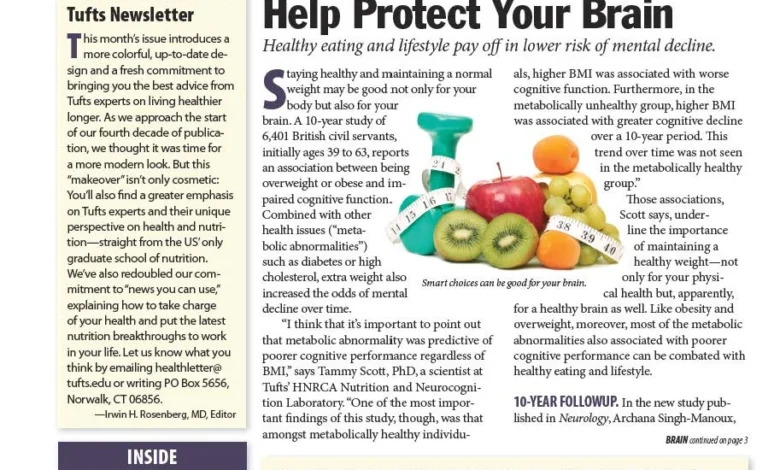
As the global population undergoes a significant demographic shift toward an older age profile, the nuances of cognitive health have emerged as a primary concern for public health officials, researchers, and the general public. While the aging process inevitably introduces physiological changes to the human brain, there is often a profound misunderstanding regarding what constitutes a normal part of growing older versus the onset of neurodegenerative pathology. Cognitive changes such as occasional difficulty in retrieving a specific word, misplacing keys, or a slight decrease in the speed of information processing are typically categorized as normal age-related decline. In contrast, dementia—an umbrella term for a range of conditions including Alzheimer’s disease—represents a significant departure from healthy aging, characterized by the progressive loss of cognitive functions that interfere with daily living and independence.
The Biological Reality of the Aging Brain
The human brain is not a static organ; it evolves throughout the lifespan. Starting as early as the third or fourth decade of life, the brain begins to undergo subtle structural changes. Research indicates that certain regions, particularly the prefrontal cortex and the hippocampus, experience a gradual reduction in volume. These areas are responsible for executive function and the formation of new memories, respectively. Additionally, the communication between neurons may become less efficient as the protective myelin sheath thins and neurotransmitter levels fluctuate.
Despite these changes, the aging brain remains remarkably resilient. While fluid intelligence—the ability to solve new problems and process information quickly—tends to peak in early adulthood and decline thereafter, crystallized intelligence continues to grow. This includes accumulated knowledge, vocabulary, and expertise gained through experience. Public health data suggests that many older adults maintain high levels of cognitive performance well into their 80s and 90s, often compensating for slower processing speeds with improved judgment and pattern recognition.
Defining the Threshold: Aging vs. Dementia
Distinguishing between typical aging and dementia is critical for early intervention and peace of mind. Normal aging might involve forgetting which day of the week it is but remembering it later, or making a poor decision occasionally. Dementia, however, involves more severe disruptions. According to the National Institute on Aging (NIA), signs of dementia include losing track of the date or the season entirely, having consistent trouble carrying on a conversation, and experiencing a marked inability to manage personal finances or household tasks that were previously handled with ease.
The primary differentiator is the impact on functional independence. While an aging individual may take longer to learn a new software program or navigate a complex airport, they eventually succeed. An individual with dementia may lose the ability to follow a familiar recipe or find their way home from a local grocery store. Understanding this threshold is essential for healthcare providers when screening patients for cognitive impairment.
A Chronology of Cognitive Development and Decline
The trajectory of cognitive health follows a multi-decadal timeline. In the 20s and 30s, the brain reaches its peak in terms of synaptic density and processing speed. This is often the period of highest "brain plasticity," where learning new complex skills occurs most rapidly. By the 40s and 50s, subtle shifts begin to occur. Many individuals report the "tip-of-the-tongue" phenomenon more frequently, where a known word is temporarily inaccessible.
As individuals enter their 60s and 70s, the physical signs of aging, such as reduced brain weight and increased ventricular size, become more apparent on neuroimaging. However, this is also the period where the "cognitive reserve"—the brain’s ability to improvise and find alternate ways of getting a job done—becomes most vital. Those who have engaged in lifelong learning and complex mental activities often show fewer symptoms of decline despite physical changes in the brain. The onset of dementia, if it occurs, typically becomes more prevalent after age 65, with the risk doubling every five years thereafter.
Supporting Data: The Global Landscape of Brain Health
The scale of cognitive decline on a global level is documented by several leading health organizations. The World Health Organization (WHO) reports that more than 55 million people worldwide are currently living with dementia, a number expected to rise to 78 million by 2030 and 139 million by 2050. This surge is largely driven by increasing life expectancies in low- and middle-income countries.
In the United States, the Alzheimer’s Association estimates that one in nine people aged 65 and older has Alzheimer’s dementia. The economic implications are staggering; the total cost of caring for people with Alzheimer’s and other dementias in the U.S. was estimated at $360 billion in 2024, excluding the unpaid labor provided by family caregivers. Data from the Lancet Commission on Dementia Prevention, Intervention, and Care suggests that up to 40% of dementia cases could be delayed or prevented by addressing twelve modifiable risk factors throughout the lifespan, including hearing loss, hypertension, obesity, and physical inactivity.
Official Responses and Public Health Initiatives
Health authorities have shifted their focus from reactive care to proactive prevention. The Centers for Disease Control and Prevention (CDC) has integrated brain health into its "Healthy Brain Initiative," which emphasizes that "what is good for the heart is good for the brain." This mantra stems from the strong correlation between cardiovascular health and cognitive longevity. High blood pressure and high cholesterol can damage the small blood vessels in the brain, leading to vascular dementia or exacerbating Alzheimer’s pathology.
The National Institutes of Health (NIH) has significantly increased funding for neurodegenerative research over the last decade. Official statements from the NIH emphasize the importance of early detection through biomarkers—such as amyloid and tau proteins found in blood tests or PET scans—which can identify changes in the brain years before clinical symptoms appear. Dr. Richard Hodes, Director of the NIA, has frequently noted that while age is the greatest risk factor for dementia, it is not an inevitable consequence of aging, and research is increasingly focused on why some "super-agers" remain cognitively sharp into their 100s.
The Role of Lifestyle Interventions
The enrichment of cognitive health is largely dependent on daily lifestyle choices. Nutritional science has identified the MIND diet (a hybrid of the Mediterranean and DASH diets) as particularly effective in slowing cognitive decline. This dietary pattern emphasizes green leafy vegetables, berries, nuts, whole grains, and fatty fish, while limiting red meat, butter, and sweets. Studies have shown that strict adherence to the MIND diet can lower the risk of Alzheimer’s by as much as 53%.
Physical exercise is another cornerstone of brain health. Aerobic activity increases blood flow to the brain and stimulates the release of brain-derived neurotrophic factor (BDNF), a protein that supports the survival of existing neurons and encourages the growth of new ones. Furthermore, sleep hygiene has emerged as a critical factor. During deep sleep, the brain’s glymphatic system—a waste-clearance pathway—becomes highly active, flushing out metabolic toxins, including the beta-amyloid plaques associated with Alzheimer’s disease.
Social Connectivity and Mental Stimulation
The impact of social isolation on cognitive decline has been compared to the health risks of smoking 15 cigarettes a day. Chronic loneliness is associated with higher levels of cortisol, which can damage the hippocampus over time. Conversely, robust social networks and regular engagement in community activities provide the mental stimulation necessary to maintain synaptic connections.
Cognitive engagement is not limited to "brain games" or puzzles. Experts suggest that learning a new, complex skill—such as a foreign language or a musical instrument—is far more effective than repetitive tasks. These activities force the brain to build new neural pathways, enhancing the cognitive reserve that protects against the manifestation of dementia symptoms.
Broader Impact and Future Implications
The societal implications of an aging population with varying degrees of cognitive health are profound. As the "Silver Tsunami" approaches, healthcare systems must adapt to provide specialized care for those with dementia while supporting the independence of those experiencing normal aging. There is an increasing need for "dementia-friendly" communities that offer safe environments and reduced social stigma for those living with cognitive impairment.
The rise of artificial intelligence and wearable technology offers new frontiers in monitoring brain health. Future diagnostics may involve AI algorithms that analyze speech patterns or gait changes to detect subtle cognitive shifts long before a patient notices them. However, as these technologies advance, ethical considerations regarding privacy and the psychological impact of early diagnosis must be addressed.
In conclusion, while the aging brain undergoes inevitable changes, the distinction between these changes and the pathology of dementia is clear and significant. Through a combination of medical research, public health policy, and individual lifestyle modifications, the goal of maintaining cognitive vitality throughout the entire human lifespan is becoming increasingly attainable. The focus of modern gerontology is no longer just on adding years to life, but on adding "brain life" to those years, ensuring that the wisdom and experience of older generations remain accessible to society at large.