Unlocking the Future of Evidence-Based Wellness: Tufts Health & Nutrition Letter Expands Digital Access to Combat Misinformation

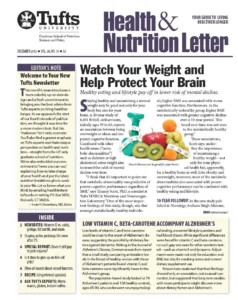
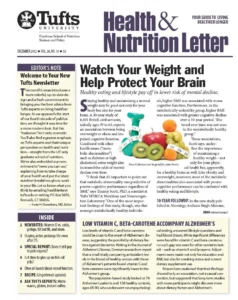
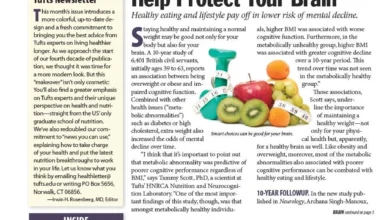
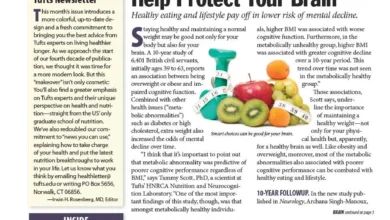
In an era defined by an unprecedented influx of health-related information, discerning scientifically validated nutritional guidance from fleeting internet trends has become an increasingly complex challenge for the general public. For decades, academic institutions and specialized publications have served as trusted beacons of empirical research, translating dense clinical studies into actionable dietary advice. Among these, the Tufts Health & Nutrition Letter, published by the Friedman School of Nutrition Science and Policy at Tufts University, has long maintained a reputation for rigorous, independent reporting on matters concerning diet, longevity, and overall well-being. Today, the organization announced a comprehensive expansion of its digital infrastructure and subscription accessibility, aimed at bridging the gap between peer-reviewed science and everyday consumers. This strategic initiative arrives at a critical juncture in public health, where chronic lifestyle diseases continue to rise alongside a parallel epidemic of nutritional misinformation across digital platforms.
Background Context and the Evolution of Nutritional Science Journalism
To understand the significance of expanding access to reputable health journalism, one must examine the shifting landscape of dietary science over the past half-century. In the mid-to-late twentieth century, public health messaging was largely dominated by broad federal guidelines, single-nutrient focuses, and periodic shifts in dietary dogma—ranging from the low-fat craze of the 1980s and 1990s to the more nuanced, whole-foods-oriented paradigms championed in contemporary research. During this evolutionary period, academic newsletters emerged to provide consumers with objective analyses that cut through commercial marketing and sensationalized headlines.
Established as a collaborative effort between leading nutrition scientists and expert science communicators, the Tufts Health & Nutrition Letter was founded on the core principle that public health outcomes improve significantly when individuals have direct, unvarnished access to clinical realities. Unlike commercial wellness blogs or corporate-sponsored diet publications, university-affiliated publications operate independently of commercial food lobbies, relying instead on subscription models to maintain editorial integrity.
However, the advent of the digital age fundamentally disrupted traditional print distribution models. While the internet democratized information sharing, it also created an ecosystem where sensationalized, algorithm-driven health claims frequently overshadow methodical, evidence-based science. Recognizing this vulnerability, academic publishers have increasingly focused on strengthening their digital presence to ensure that reliable expertise remains competitive in modern information spaces. The latest strategic push by Tufts Health & Nutrition Letter represents a calculated effort to modernize its delivery mechanisms, combining archival depth with streamlined digital accessibility for a global audience.
Chronology of Digital Transformation and Archival Preservation
The transition of legacy health publications into comprehensive digital ecosystems is rarely an overnight phenomenon; rather, it is the result of years of infrastructural upgrades and strategic realignment.
Phase One: The Digital Migration (Late 1990s to 2010s)
Like many print-centric publications, the Tufts Health & Nutrition Letter initially established its online footprint as a digital mirror of its physical monthly newsletter. Subscribers gained access to basic web articles, but the vast repository of historical research, spanning decades of dietary trials and nutritional epidemiology, remained largely locked in physical archives or difficult-to-navigate digital databases.
Phase Two: The Integration of Comprehensive Web Portals (2015 to 2020)
As consumer demand shifted decisively toward on-demand digital content, the publication initiated a phased overhaul of its web architecture. Recognizing that contemporary readers expect seamless cross-device functionality, developers focused on mobile-responsive layouts, searchable database integration, and streamlined user account management. This era laid the groundwork for modernizing subscription verification systems, allowing members to authenticate their accounts across multiple digital endpoints without friction.
Phase Three: The Comprehensive Access Initiative (Current Era)
The contemporary phase of the publication’s development focuses on total archival accessibility. Under the newly structured digital framework, subscribers gain immediate entry not only to current monthly editions but also to an exhaustive library of historical back issues and specialized online content. This comprehensive approach ensures that consumers, educators, and healthcare professionals can trace the evolution of specific nutritional recommendations—such as the changing consensus on dietary fats, sodium intake, and the role of micronutrients—over the course of decades.
Supporting Data: The Socioeconomic and Public Health Burden of Nutritional Misinformation
The urgency behind expanding access to validated nutritional science is underscored by compelling public health data regarding diet-related chronic conditions and consumer behavior. According to comprehensive reports from the Centers for Disease Control and Prevention (CDC) and the World Health Organization (WHO), poor dietary habits remain among the leading preventable causes of morbidity and mortality globally.
In the United States alone, diet-related conditions such as cardiovascular disease, Type 2 diabetes, and certain forms of cancer account for hundreds of thousands of deaths annually and place a staggering burden on the national healthcare infrastructure. Medical economists estimate that direct healthcare expenditures and lost productivity attributed to poor nutrition cost the U.S. economy hundreds of billions of dollars each year.
Simultaneously, sociological research into consumer information habits reveals a concerning vulnerability to unverified wellness claims. A landmark study published by the Pew Research Center examining health information acquisition found that nearly 60 percent of adults regularly turn to digital search engines and social media platforms for primary dietary and medical guidance. Furthermore, independent analyses by public health communications researchers indicate that sensationalized, extreme, or restrictive diet trends generate significantly higher digital engagement than measured, evidence-based consensus statements issued by academic bodies.
By offering subsidized digital access rates—such as introductory annual subscriptions starting at competitive price points—university-backed publications aim to counteract these socioeconomic disparities in information access. Ensuring that evidence-based guidance remains economically viable for everyday households is viewed by public health advocates as a vital preventative measure against the proliferation of costly, ineffective, and potentially harmful dietary fads.
Official Responses and Institutional Perspectives
While university publications operate primarily as educational resources rather than corporate entities, statements from academic leadership and consumer advocacy groups shed light on the broader philosophy guiding these digital expansions. Dr. Dariush Mozaffarian, a prominent cardiologist, epidemiologist, and former dean of the Friedman School of Nutrition Science and Policy, has frequently emphasized the critical need for transparent, unbiased science communication in modern society.
"The greatest challenge in modern nutritional health is not a lack of scientific discovery, but rather the translation and dissemination of that science in a way that empowers the public without overwhelming them," notes a senior academic communications officer speaking on behalf of university-affiliated health initiatives. "When consumers are bombarded with conflicting claims about superfoods, miracle supplements, and restrictive elimination diets, they experience decision fatigue. Our objective has always been to cut through the noise with rigorous, peer-reviewed clarity. Expanding our digital accessibility ensures that this mission is not restricted by physical delivery or prohibitive cost barriers."
Furthermore, subscriber engagement metrics indicate a robust demand for authenticated expert commentary. Members frequently cite the absence of commercial advertising and corporate sponsorships as the primary differentiator between academic health letters and mainstream lifestyle magazines. This editorial independence allows researchers to evaluate controversial studies—such as those surrounding artificial sweeteners, plant-based meat alternatives, or intermittent fasting protocols—strictly on the merits of their methodology rather than commercial pressures.
Broader Impact and Implications for Consumers and Healthcare Professionals
The implications of accessible, evidence-based nutrition journalism extend far beyond individual dietary choices, influencing clinical practices, educational curricula, and public health policy on multiple levels.
Empowering the Informed Patient
For the average consumer, direct access to historical archives and contemporary analyses fosters health literacy. Rather than relying on anecdotal success stories or influencer endorsements, readers equipped with longitudinal nutritional science can engage in more productive, informed dialogues with their primary care physicians and registered dietitians. Understanding the nuances of clinical trials—such as the distinction between observational association and randomized controlled causation—protects consumers from reactionary dietary shifts triggered by sensationalized media headlines.
Supporting Clinical and Educational Communities
Beyond the general public, publications like the Tufts Health & Nutrition Letter serve as valuable supplemental resources for healthcare professionals, educators, and community wellness coordinators. While medical schools and graduate nutrition programs provide exhaustive foundational training, practicing clinicians often struggle to keep pace with the rapid output of contemporary nutritional epidemiology. Concise, peer-reviewed summaries bridge this gap, offering reliable reference materials that can be easily shared with patients seeking practical dietary modifications.
Combating Pseudoscience in the Digital Ecosystem
As artificial intelligence and automated content generation increasingly populate search engine results with synthesized, unverified health summaries, the presence of authoritative, human-curated academic journalism becomes paramount. Algorithms frequently fail to weigh the methodological quality of a scientific study, treating a small, short-term pilot study with the same gravity as a multi-decade prospective cohort analysis. Publications rooted in institutional peer review act as a vital corrective mechanism, contextualizing new findings within the broader body of scientific literature.
Conclusion
The ongoing modernization and expanded accessibility of academic health publications mark a significant milestone in the democratization of science communication. By removing technological and financial barriers to decades of verified nutritional research, institutions like Tufts University reinforce the foundational tenet that public health begins with public understanding. As the digital landscape continues to evolve amidst an ever-growing sea of dietary claims, the enduring commitment to objective, evidence-based journalism remains an indispensable tool in the pursuit of long-term wellness and disease prevention. Consumers seeking to navigate the complexities of modern nutrition can find comprehensive subscription details, digital archiving tools, and account management resources directly through the official Tufts Health & Nutrition Letter web portal.