Melbourne Leads the Way in Accessible Tourism, But Gaps Remain for All Travelers

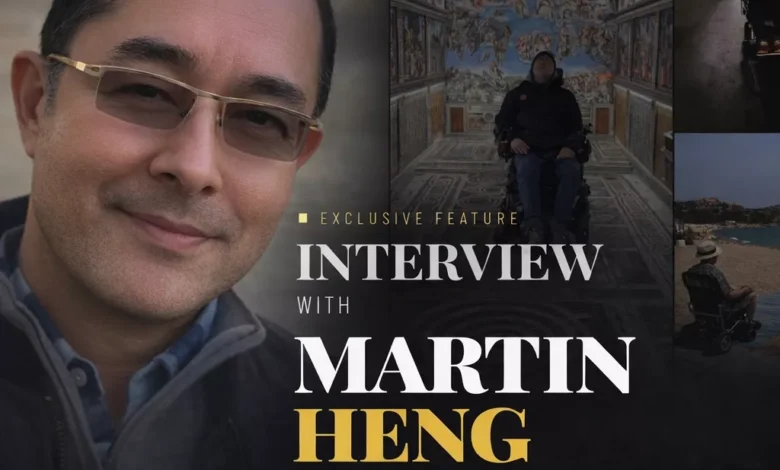
An insightful interview with Martin Heng, a former Lonely Planet employee now spearheading accessibility initiatives in Australia, and Ashley Olson of WheelchairTraveling.com, has shed significant light on the state of accessible travel in Melbourne and across Australia. Heng, who has firsthand experience navigating the complexities of travel with accessibility needs, offered a nuanced perspective, rating Melbourne highly for its overall accessibility while also pinpointing crucial areas requiring further development. The conversation, captured in a recent video, delved into specific transportation challenges, accommodation shortcomings, and the broader societal understanding of disability inclusion within the tourism sector.
Melbourne’s Accessibility Strengths and Weaknesses
Martin Heng provided a detailed assessment of Melbourne’s accessibility, noting that the city boasts a substantial fleet of wheelchair-accessible taxis, a critical component for independent mobility. The public transportation system, too, generally demonstrates a commitment to inclusivity. However, Heng was quick to identify persistent challenges, particularly with the city’s iconic tram network. While efforts have been made to introduce low-floor trams, their implementation remains inconsistent, and accessible stops are not universally available. This means that for many individuals with mobility impairments, traversing the city via tram can still present significant hurdles.
Beyond trams, train accessibility also emerged as a point of concern. Heng described a reliance on drivers to deploy ramps and a somewhat ad-hoc system of using post-it notes to remember accessible stops. While these may seem like minor inconveniences, they represent friction points that can significantly impact the ease and spontaneity of travel. The taxi service, while having a large number of accessible vehicles, faces its own logistical challenges, with waiting times through central dispatch sometimes extending to an arduous two hours. Heng suggested that developing relationships with trusted individual drivers could offer a more efficient alternative.
Navigating Melbourne’s Attractions and Accommodations
The interview highlighted several Melbourne attractions that have made commendable strides in accessibility. The Botanic Gardens and various museums were cited as examples of venues that are increasingly catering to a diverse range of visitors. Heng specifically praised museums for their proactive approach in supporting neurodiverse communities, offering resources such as sensory kits and quiet rooms. This initiative reflects a growing understanding that accessibility extends beyond physical impairments to encompass a broader spectrum of needs.
However, the conversation also underscored a persistent challenge across many businesses globally, including those in Melbourne: the presence of single threshold steps at shop and business entrances. While seemingly minor, these can create insurmountable barriers for individuals using wheelchairs or other mobility devices. Heng emphasized the crucial advice for travelers: always call ahead to verify accessibility. Website information, he cautioned, can be outdated or inaccurate, and direct communication with venues remains the most reliable method for ensuring a smooth and enjoyable visit.
Hotel accessibility presented another significant area of discussion. Heng pointed to common issues with bathroom design and layout in accessible rooms, which can often render them impractical or even unusable for some guests. This points to a need for more thoughtful and user-centric design in hospitality accommodations.
Broader Implications for Accessible Tourism in Australia
Heng’s insights extended beyond Melbourne to the broader Australian tourism landscape. He expressed optimism about the growing market of older travelers who increasingly have accessibility needs. This demographic, he argued, represents a substantial business opportunity for the tourism industry, a perspective that contrasts with the often-held misconception of accessibility as merely a compliance issue or a financial burden. The UN World Tourism Organization’s (UNWTO) 2017 declaration of "tourism for all" has undoubtedly set a global agenda, and Australia is actively responding.
The interview also touched upon the vital importance of disability awareness that extends beyond physical infrastructure. Heng rightly pointed out that wheelchair users constitute a small percentage of the broader disability community, highlighting the need for a more comprehensive understanding of diverse needs. This includes considerations for individuals with sensory impairments, cognitive differences, and other conditions that may affect their travel experience.
Case Study: Accessible Travel in Cairns
Shifting focus to Queensland, Martin Heng shared a positive experience in Cairns, a popular tourist destination. He specifically lauded two businesses for their exceptional accessibility: Skyrail Rainforest Cableway, offering disability-friendly gondola rides, and Quicksilver Cruises, which provides accessible diving and snorkeling experiences via a pontoon equipped with a chairlift. These examples demonstrate that with commitment and innovative thinking, even adventure-oriented tourism can be made inclusive.
Heng also reiterated Australia’s strength in its accessible taxi fleet, particularly in major cities like Sydney and Melbourne, deeming it a significant advantage when compared to many other developed and developing nations. This infrastructure, he suggested, forms a solid foundation upon which further accessibility improvements can be built.
The Evolving Landscape of Disability Inclusion
The discussion underscored a fundamental shift in how accessibility is perceived. It is increasingly being recognized not just as a matter of compliance with regulations, but as a strategic imperative for businesses seeking to tap into a growing and diverse market. The aging demographic, with its increasing purchasing power and travel aspirations, represents a significant segment that the tourism industry cannot afford to overlook.
Heng’s advice to travelers with disabilities is to empower themselves with information and to actively communicate their needs. He emphasized that individuals with disabilities are the ultimate experts on their own requirements. This collaborative approach, where travelers are consulted and their needs are understood, is key to designing truly inclusive experiences.
Best Practices for Accessible Travel Planning
The interview provided a wealth of practical advice for both travelers and tourism providers. For travelers, the paramount recommendation is to engage in direct communication with venues to confirm accessibility details, rather than relying solely on online information. Flexibility and a willingness to ask questions are crucial.
For tourism providers, the message is clear: embrace accessibility as a business opportunity. This involves not only investing in physical infrastructure but also fostering a culture of awareness and understanding among staff. The growing popularity of audio guides, for instance, demonstrates how technology can enhance the experience for a wider range of visitors, including those who are blind, have low vision, or are on the autism spectrum. The proliferation of these tools, coupled with the increasing availability of "Changing Places" facilities – equipped with adult-sized changing tables and hoists – indicates a growing recognition of the diverse needs within the accessible travel market. These specialized facilities, while requiring controlled access for qualified individuals, represent a significant advancement in providing dignified and practical solutions for those with complex needs.
The Road Ahead: Towards True Inclusivity
While Melbourne and Australia have made significant strides, the conversation revealed that the journey towards universal accessibility is ongoing. The misconception that accessibility is a niche concern, or a costly obligation, needs to be continually challenged. As Martin Heng eloquently articulated, embracing accessibility is about recognizing the inherent right of all individuals to participate fully in the world of travel, and it is also a sound business strategy that opens doors to a wider customer base. The continuous dialogue between travelers, advocates, and the industry is essential to ensure that future travel experiences are not just accessible, but truly inclusive and enriching for everyone. The updated information from April 7, 2026, suggests an ongoing commitment to tracking and improving these vital aspects of the tourism sector.
Related posts: