The Toronto International Film Festival Paves the Way for Disability Representation and Accessibility in Global Cinema

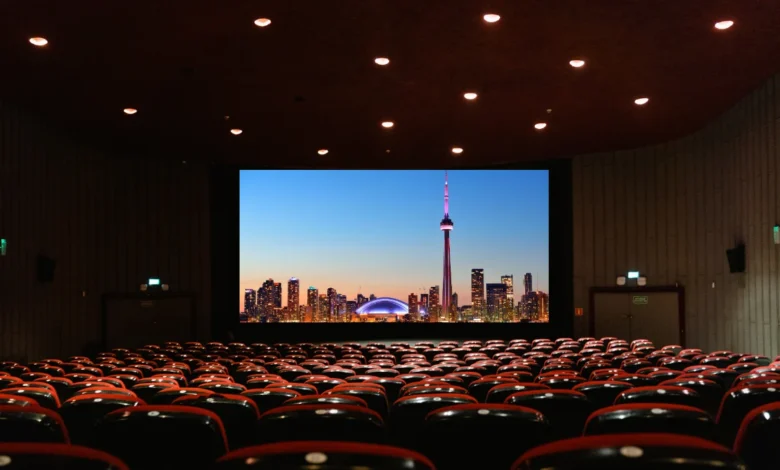
The Toronto International Film Festival (TIFF), one of the most prestigious cinematic gatherings in the world, is setting a new benchmark for inclusivity as it runs from September 10th through September 20th, 2026. While the festival serves as a primary hub for global film distribution and artistic exchange, its 2026 iteration marks a concerted effort to address a glaring disparity in the motion picture industry: the systematic underrepresentation of disabled individuals on screen and behind the camera.
Despite the fact that more than one in four adults in the United States—and a significant portion of the global population—lives with a disability, the data regarding their presence in media remains sobering. An analysis of the 100 top-grossing films of 2025 revealed that only 2.8% of all speaking characters were depicted as disabled. This statistic highlights a critical gap between the demographics of the real world and the curated reality presented by major studios. For advocates, the movement for better representation is not merely about increasing headcounts; it is a fundamental shift toward ensuring that stories involving disability are told with depth, nuance, and authenticity, rather than being filtered through the lens of outdated tropes or pity-centric narratives.
A Strategic Shift Toward Accessibility
TIFF has integrated structural changes into its 2026 operations to ensure that disabled patrons are not mere observers of the festival but active participants. The organization has prioritized technical accessibility, with 15 films scheduled for audio description and 32 films featuring open captions. These initiatives reflect a growing trend in the film festival circuit to treat accessibility as a baseline requirement rather than an optional add-on.
The festival’s commitment extends to its operational data collection. In collaboration with the Film Event Accessibility Working Group, the Film Festival Alliance, and the 1IN4 Coalition, TIFF is encouraging all attendees, filmmakers, and panelists to complete the Film Event Accessibility Scorecard. This 15-minute survey is designed to capture granular feedback on the accessibility of the festival’s physical and digital infrastructure. By crowdsourcing this data, organizers aim to establish a repeatable, scalable framework that other global festivals can adopt to improve their own standards.
Spotlight on Inclusive Storytelling
The 2026 programming slate includes several high-profile films that directly engage with the disability experience, demonstrating that stories centered on these themes possess both significant cultural weight and commercial viability.
The festival opens on September 10th with the world premiere of Being Heumann, a biographical drama directed by Oscar-winning filmmaker Siân Heder. The film serves as a definitive look at the life of Judy Heumann, the pioneering activist widely regarded as the "Mother of the Disability Rights Movement." BAFTA nominee Ruth Madeley, who is a wheelchair user, portrays Heumann, leading an ensemble cast of prominent disabled actors, including Daniel Durant, Michael Patrick Thornton, and Russell Harvard.
The production of Being Heumann is notable for its commitment to inclusive hiring. Several alumni from the Disability Belongs Entertainment Lab and Leadership Fellowship contributed to the project, both in front of and behind the camera. For example, 2020 Lab alumnus Andrew Pilkington portrays disability activist Hale Zukas, while Ashley Eakin and Graham Kent served as a field producer and accessibility production assistant, respectively. This integrated approach to production suggests that the industry is beginning to recognize the value of lived experience in the creative process.

Beyond the gala presentations, the festival is showcasing a diverse range of genres that incorporate disability. Man in Motion: The Rick Hansen Story, directed by Adrian Buitenhuis, chronicles the historic 40,000-kilometre journey of the Canadian athlete, highlighting his monumental role in changing public perception of disability. Similarly, the gala presentation Run Terry Run, directed by Sean Menard, utilizes rare archival footage to explore the dedication of Terry Fox, whose Marathon of Hope remains a touchstone for disability advocacy and medical research fundraising.
Broader Cultural Implications and Future Outlook
The inclusion of international and niche films such as Ryûsuke Hamaguchi’s All of a Sudden, the midnight thriller Arrested Memory, and the animated feature Tangles suggests that the industry is beginning to treat disability as a facet of human existence rather than a "special interest" genre. In Tangles, adapted from Sarah Leavitt’s graphic memoir, the narrative explores the complexities of caring for a loved one with Alzheimer’s, utilizing a high-profile voice cast that includes Julia Louis-Dreyfus and Bryan Cranston to bridge the gap between niche storytelling and mainstream appeal.
The Discovery programme, which highlights emerging global talent, further emphasizes this trend. The international premiere of Voices, written by Disability Belongs Entertainment Lab alumna Charlie T. Savage, offers a musical thriller set in the 1960s. By placing these stories within a prestigious international festival, TIFF is effectively challenging the "othering" of disability, instead positioning it as an integral element of diverse, global cinematic discourse.
Analysis: From Representation to Institutional Change
The systemic lack of representation identified in 2025’s top-grossing films is a multifaceted issue involving casting, executive gatekeeping, and writer-room demographics. The efforts by TIFF in 2026 are a proactive response to these systemic failures. However, industry analysts suggest that while festivals play a vital role in elevating content, the true test of progress will be the "trickle-down" effect into studio green-lighting processes.
If films like Being Heumann and Tangles achieve commercial success, they provide the necessary data points to convince investors that audiences are hungry for authentic representation. The reliance on the Film Event Accessibility Scorecard is also a critical, data-driven step. By standardizing the feedback loop, the industry can transition from sporadic, project-by-project accessibility to a permanent, institutionalized standard.
The involvement of organizations such as the 1IN4 Coalition and the Disability Belongs group indicates that this is not a one-off PR initiative. Instead, it appears to be part of a broader, long-term movement to professionalize the role of disability consultants, accessibility coordinators, and disabled creatives within the major production houses.
Conclusion
As the 2026 Toronto International Film Festival unfolds, it serves as more than just a venue for premieres; it functions as a barometer for the health of the film industry’s commitment to diversity. The combination of increased captioning, deliberate inclusive hiring on high-profile sets, and the spotlighting of narratives that tackle the complexities of the human condition—including illness, aging, and physical disability—marks a significant pivot point.
For the disabled community, the visibility provided by TIFF is a victory, but the ongoing work of ensuring this representation translates into sustained employment and consistent, high-quality storytelling remains the next frontier. As the festival concludes on September 20th, the data gathered from the accessibility scorecards and the reception of the highlighted films will likely serve as the blueprint for the next decade of inclusive filmmaking, potentially reshaping the 2.8% figure of 2025 into a much more representative statistic for years to come.
Related posts: