The Science of Intuitive Eating and Its Role in Modern Nutritional Health Strategies

The paradigm of nutritional science is undergoing a significant shift from restrictive, calorie-counting methodologies toward more sustainable, behavior-based approaches that prioritize physiological cues over external dietary rules. At the forefront of this evolution is the concept of Intuitive Eating (IE), a self-care eating framework that integrates instinct, emotion, and rational thought. Originally developed by registered dietitians Evelyn Tribole and Elyse Resch in 1995, Intuitive Eating has transitioned from a niche therapeutic tool to a cornerstone of modern dietary counseling, supported by a growing body of peer-reviewed research from institutions such as the Tufts University Friedman School of Nutrition Science and Policy. This movement seeks to address the long-term failure rates of traditional dieting, which studies suggest can be as high as 95% in terms of sustained weight loss, by fostering a healthier relationship with food and body image.
The Foundations and Ten Principles of Intuitive Eating
Intuitive Eating is structured around ten core principles designed to dismantle the "diet mentality" and reconnect individuals with their internal signals of hunger and satiety. These principles include rejecting the diet mentality, honoring hunger, making peace with food, challenging the "food police," discovering the satisfaction factor, feeling fullness, coping with emotions with kindness, respecting the body, movement through feeling the difference, and honoring health through gentle nutrition.
The fundamental premise is that the human body possesses an innate wisdom regarding its nutritional needs. However, decades of exposure to "diet culture"—a societal preoccupation with thinness and restrictive eating—have silenced these internal cues. By removing the labels of "good" or "bad" foods, proponents argue that individuals can reduce the psychological stress and physiological binging cycles associated with deprivation. This approach does not ignore nutrition but rather places it in a broader context where mental well-being and physical health are treated with equal importance.
A Chronological Evolution of Dietary Perspectives
The trajectory of nutritional guidance in the United States and globally has moved through several distinct phases. In the mid-20th century, the focus was primarily on preventing nutrient deficiencies, leading to the creation of Recommended Dietary Allowances (RDAs). By the 1980s and 1990s, the focus shifted toward the "low-fat" craze and the quantification of calories, a period that saw the rise of the commercial weight-loss industry.
The emergence of Intuitive Eating in 1995 served as a direct counter-response to the "Weight Cycling" or "yo-yo dieting" that became prevalent during this era. In the early 2000s, researchers began to take an interest in the psychological outcomes of IE, noting that it was associated with lower levels of disordered eating. By the 2010s, clinical studies expanded to include metabolic markers. In 2022 and 2023, the discourse further evolved as public health experts began to analyze IE through the lens of health equity and food insecurity, recognizing that the ability to "listen to one’s body" requires reliable access to a variety of foods.
Supporting Data: Psychological and Metabolic Outcomes
Empirical evidence supporting Intuitive Eating has grown substantially over the last two decades. A landmark meta-analysis published in the journal Public Health Nutrition reviewed over 20 studies and found that Intuitive Eating was consistently associated with improved psychological health. Specifically, participants who practiced IE reported higher self-esteem, better body image, and lower rates of depression and anxiety compared to those on restrictive diets.
From a physiological standpoint, the data suggests that while IE is not a weight-loss intervention, it is highly effective for weight maintenance and metabolic health. A study involving over 1,400 participants found that those with higher Intuitive Eating scores had lower body mass indices (BMIs) and better cardiovascular health indicators, including lower blood pressure and improved cholesterol profiles. Furthermore, research indicates that intuitive eaters have lower levels of triglycerides and a reduced risk of developing type 2 diabetes, likely due to the reduction in stress-induced cortisol and the stabilization of glucose levels that occur when binging and starving cycles are eliminated.
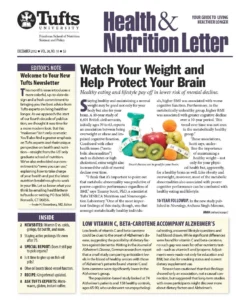
Data from the Tufts University health surveys indicate that individuals who focus on "gentle nutrition"—the tenth principle of IE—tend to consume a more diverse range of phytonutrients. By removing the "forbidden fruit" allure of ultra-processed foods, individuals often find that their cravings stabilize, eventually leading to a spontaneous preference for whole foods that provide sustained energy.
The Role of "Food as Medicine" and Institutional Responses
The integration of Intuitive Eating into mainstream health policy is reflected in the "Food Is Medicine" movement, which has gained significant traction at institutions like Tufts University. This initiative advocates for the integration of nutrition into the healthcare system, treating dietary quality as a vital sign. However, experts at the Friedman School emphasize that "Food Is Medicine" must be implemented without the stigmatization often found in traditional weight-loss programs.
In 2022, during the White House Conference on Hunger, Nutrition, and Health, the conversation shifted toward "nutrition security" rather than just "food security." This distinction aligns with Intuitive Eating principles by emphasizing that all people deserve access to food that is not only calorically sufficient but also culturally relevant and satisfying. Official responses from the Academy of Nutrition and Dietetics have increasingly supported weight-neutral approaches, acknowledging that weight stigma itself is a significant contributor to poor health outcomes, often independent of a person’s actual weight.
Clinical practitioners are also adapting. Many registered dietitians now utilize the "Intuitive Eating Scale-2" (IES-2), a validated psychometric tool, to assess a patient’s progress. This shift represents a move away from the scale as the primary measure of success, replacing it with markers such as improved relationship with exercise and the ability to eat in social settings without anxiety.
Analysis of Implications: Challenges and the Future of Nutrition
Despite the documented benefits, the transition to an Intuitive Eating framework faces significant structural and cultural hurdles. One of the primary critiques is the "privilege of intuition." For individuals living in food deserts or experiencing poverty, the advice to "honor hunger" can be difficult to follow when food availability is inconsistent. Public health analysts argue that for IE to be a viable public health strategy, it must be coupled with systemic changes that ensure equitable food access.
Furthermore, the rise of "ultra-processed foods" (UPFs) presents a unique challenge to intuitive signals. Engineering of foods to be "hyper-palatable" can override the body’s natural satiety signals, particularly those mediated by the hormones leptin and ghrelin. Recent research suggests that a diet high in UPFs can lead to a "mismatch" between the calories consumed and the brain’s perception of fullness. Consequently, modern IE education often includes a component on "media literacy" and an understanding of food processing to help consumers navigate a complex food environment.
The future of nutrition science appears to be moving toward a personalized, behavior-centric model. As we gain a deeper understanding of the gut-brain axis and the microbiome, the biological basis for "intuition" becomes clearer. The microbiome influences cravings and mood, suggesting that "listening to one’s gut" may eventually be a scientifically quantifiable process.
Conclusion
The shift toward Intuitive Eating represents a maturation of nutritional science, moving away from the simplistic "calories in versus calories out" model toward a sophisticated understanding of human behavior, physiology, and psychology. By prioritizing internal cues and rejecting the harmful cycles of diet culture, individuals can achieve sustainable health outcomes that include both physical vitality and mental peace.
As institutions like Tufts University continue to lead research into the intersections of nutrition, policy, and health, the principles of Intuitive Eating are likely to become even more embedded in clinical practice. The goal of modern nutrition is no longer just the management of body weight, but the cultivation of a resilient, nourished population capable of making informed, intuitive choices in a complex global food landscape. This holistic approach offers a promising path forward in addressing the global epidemic of chronic, diet-related diseases while fostering a more compassionate and effective healthcare system.
Related posts: