Building Bridges and Breaking Barriers: The Journey of Composer Matthew Yeungong Hua and the Disability Belongs Entertainment Lab

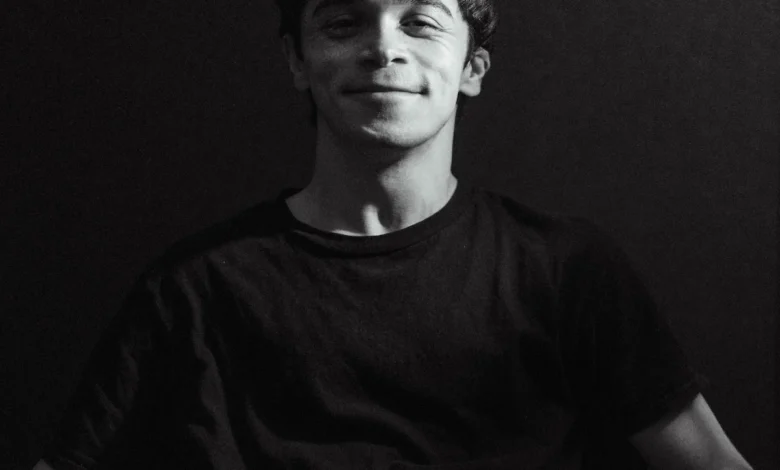
In the competitive landscape of film and television, where the intricacies of post-production often remain obscured from the public eye, composer and orchestrator Matthew Yeungong Hua is carving out a distinct space for disabled talent. His recent participation in the Disability Belongs® Entertainment Lab serves as a case study for the evolving intersection of accessibility, creative collaboration, and professional development in the modern entertainment industry. As the first composer to join the Lab’s cohort, Hua’s experience highlights both the progress being made in industry inclusivity and the persistent need for intentional, community-driven networking programs.
The Disability Belongs® Entertainment Lab is a targeted initiative designed to address the systemic underrepresentation of disabled creatives across development, production, and post-production roles. By fostering a cohort-based environment, the program facilitates a cross-pollination of expertise between writers, directors, producers, cinematographers, and—in Hua’s case—musicians. The core philosophy of the Lab is that sustainable success in Hollywood requires more than individual talent; it requires a robust ecosystem of peer support and shared lived experience.
A Chronology of Professional Advancement
Matthew Yeungong Hua’s trajectory throughout 2026 and into late 2027 illustrates the rapid acceleration possible when professional training meets strategic networking. Currently pursuing a Master of Fine Arts in Scoring for Media at Columbia College Chicago, Hua’s academic rigor has been matched by his real-world engagement with the industry.
In early 2026, Hua joined the Disability Belongs® Entertainment Lab, an experience he describes as a pivotal moment in his career. The program, which culminates in a graduation period, provided him with a structured environment to refine his craft while navigating the specific barriers often faced by disabled professionals in the arts. Following his graduation from the Lab in August 2026, Hua transitioned into the second year of his master’s program.
The subsequent months were marked by significant professional milestones. In October 2026, his short film, Plantasy, debuted at the Chicago Horror Film Festival, showcasing his ability to translate narrative tension into sound design and composition. Shortly thereafter, he was awarded the Sara Janz “Take Your Shot” Memorial Scholarship by the Chicago/Midwest Chapter of the National Academy of Television Arts and Sciences. This accolade not only provided financial support but also signaled industry recognition of his potential as an emerging voice in film music. Looking ahead, Hua is slated to relocate to Los Angeles upon his graduation in May 2027, a move that places him at the epicenter of the global film industry.
The Dynamics of Inclusive Mentorship
A central component of the Entertainment Lab is the exposure it provides to high-level industry executives. During a pitching workshop, participants are tasked with presenting their creative projects or their own professional identities to industry leaders. For Hua, this session involved an interaction with Rina Varughese, the Global Director of Creative Pipeline Programming at Sony Pictures Entertainment.
The exercise allowed Hua to move beyond the traditional "elevator pitch" to address how his disability informs his artistic process—a nuanced conversation that is rarely prioritized in standard industry networking events. Varughese’s feedback provided a bridge between the creative output of a composer and the budgetary and conceptual requirements of a studio executive. This exchange underscores a growing trend in Hollywood: the shift from viewing accessibility as a compliance issue to viewing diverse perspectives as a creative asset.
Contextualizing Disability in the Creative Economy
The necessity for programs like the Disability Belongs® Entertainment Lab is underscored by data regarding workforce participation. According to various labor studies within the arts and entertainment sector, disabled individuals remain significantly underrepresented in "above-the-line" roles. While the industry has made strides in onscreen representation, the behind-the-scenes infrastructure—such as the music department, sound engineering, and orchestration—has been slower to implement structural changes that accommodate varying accessibility needs.

The Lab operates on the premise that “authenticity attracts authenticity.” By providing a space where disabled creatives can openly discuss their workflows, the program enables participants to build a self-sustaining support network. This is evidenced by Hua’s introduction to the Recording Artists and Music Professionals with Disabilities (RAMPD). Through an alumni connection, Hua was able to integrate into a specialized affinity group that provides peer-vetted resources, knowledge sharing, and professional advocacy. His successful integration into the RAMPD Member Network highlights the efficiency of decentralized support systems in bolstering individual career trajectories.
The Role of Peer-Driven Advocacy
The significance of Hua’s advocacy extends to his philosophy on community building. He posits that if a specific community does not exist within an established institution, it must be created. This perspective is reflective of a broader movement among disabled artists who are increasingly prioritizing collective bargaining and mutual support over traditional, competitive models of industry advancement.
"Community requires interpersonal investment in others, but the returns are unquantifiable," Hua remarked, emphasizing that the professional success of one disabled creative often lowers the barrier to entry for the next. This cycle of mentorship and "rooting for others" serves as a counterweight to the often-isolating nature of freelance creative work, particularly for those working in post-production roles like composition, where work is often performed in relative solitude.
Broader Implications for the Film Industry
The success of the Disability Belongs® Entertainment Lab has implications for how major studios and production companies approach their recruitment pipelines. By engaging with cohorts of disabled talent, studios can tap into a pool of professionals who are not only skilled in their respective crafts but are also adept at problem-solving and adapting to diverse work environments—skills that are essential in the high-pressure environment of film production.
Furthermore, the integration of disabled composers like Hua into the professional music scoring circuit challenges long-standing assumptions about the physical and logistical requirements of studio recording environments. As these professionals gain seniority, they are positioned to influence studio policies regarding accessibility, potentially leading to more permanent, systemic changes in how music departments are staffed and managed.
Looking Toward the Future
As Matthew Yeungong Hua prepares for his transition to Los Angeles in 2027, he carries with him the experience of having been the first composer to navigate the Lab’s curriculum. His journey reflects a larger, ongoing transition in the creative arts, where the focus is moving toward an equitable infrastructure that respects the intersection of artistic vision and lived experience.
The Disability Belongs® organization has signaled its intent to continue these leadership programs, with the goal of creating a critical mass of alumni who can occupy positions of influence throughout the entertainment industry. For Hua and his peers, the ultimate objective is not merely to participate in the industry, but to reshape it. By combining his academic foundation with the professional networks fostered through the Lab and RAMPD, Hua is positioning himself as part of a new generation of composers who are redefining what it means to lead in the film industry—a generation that views collective growth as the primary catalyst for individual achievement.
As the industry continues to evolve, the narrative of composers and creatives like Hua will remain a crucial indicator of the effectiveness of DEI (Diversity, Equity, and Inclusion) efforts in the entertainment sector. With a clear trajectory toward professional residency in Los Angeles, Hua’s career serves as a roadmap for aspiring creatives who aim to integrate their unique perspectives into the global cultural conversation.
Related posts: