Unlocking Potential: Strategies for Cultivating Neuro-Inclusive Workplaces Through Disability Belongs Training

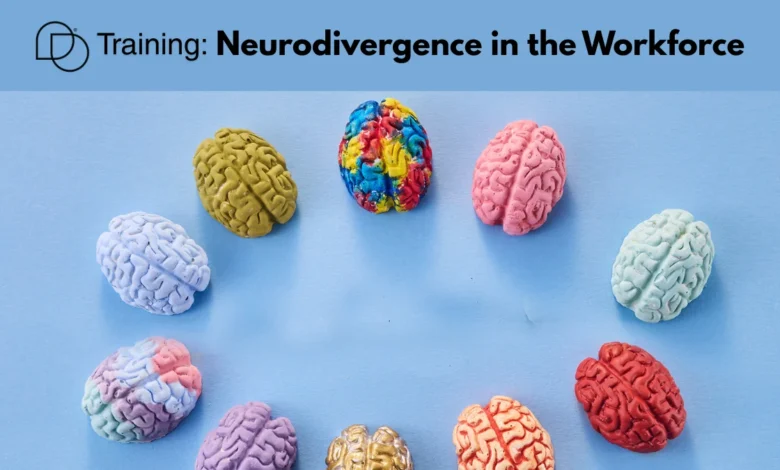
The contemporary labor market is undergoing a structural shift in how organizations conceptualize human capital, with an increasing emphasis on neurodiversity as a strategic asset rather than a peripheral consideration. Neurodivergent individuals—those whose cognitive profiles, such as autism, ADHD, dyslexia, and dyspraxia, deviate from societal norms—possess unique skill sets, including pattern recognition, hyper-focus, and innovative problem-solving capabilities. Despite these advantages, historical workplace designs remain anchored in neurotypical expectations, often inadvertently creating systemic barriers to productivity and employee retention. Addressing this disparity, the advocacy group Disability Belongs recently hosted a comprehensive, free training session aimed at equipping HR professionals, managers, and organizational leaders with the tools necessary to foster equitable work environments.
The Landscape of Neurodiversity in the Modern Workforce
The prevalence of neurodivergence is significant; according to data from the National Institutes of Health, approximately 15% to 20% of the global population exhibits some form of neurodivergence. Despite this, unemployment and underemployment rates for neurodivergent adults remain disproportionately high. Industry reports suggest that up to 80% of autistic adults, for instance, face challenges in securing or maintaining traditional employment.
The Disability Belongs training initiative emerged as a direct response to these statistics, focusing on the intersection of individual neurocognitive variations and institutional frameworks. By examining the nuances of how different brains process information, communicate, and navigate sensory environments, the program sought to move beyond surface-level diversity, equity, and inclusion (DEI) efforts toward substantive structural change.
Chronology of the Initiative
The Disability Belongs training session was organized following a six-month period of consultation with organizational psychologists and neurodivergent professionals. The project unfolded across several distinct phases:
- Needs Assessment (Q1 2024): Organizers conducted surveys among member companies to identify the most persistent challenges reported by neurodivergent employees. The primary pain points identified included open-office acoustics, ambiguous communication expectations, and the "disclosure dilemma."
- Curriculum Development (Q2 2024): A committee of neurodivergent experts and HR specialists synthesized best practices into an accessible training curriculum, focusing on "universal design" principles for work.
- Pilot Phase (Early Q3 2024): Small-group workshops were held to refine the clarity of the training modules.
- Execution (October 2024): The formal, public-facing training session was launched, drawing participants from sectors ranging from software development to finance, reflecting the cross-industry relevance of the topic.
Deconstructing Workplace Barriers
The core of the Disability Belongs session focused on identifying and mitigating the barriers that hinder neurodivergent performance. These barriers are rarely malicious; they are often the result of "default settings" in organizational culture.
For instance, the common office requirement for "constant collaboration" or frequent, unstructured meetings can prove debilitating for individuals who require deep-focus periods or who process information differently than their peers. Similarly, vague performance metrics that rely on social intuition rather than concrete output can disadvantage those with different communication styles. The training emphasized the transition toward objective performance standards and flexible environmental controls, such as remote work options, noise-canceling technology, and written agendas provided well in advance of meetings.
The Disclosure Dilemma: A Critical Analysis
Perhaps the most sensitive topic addressed during the session was the personal decision to disclose a disability or neurodivergent status. Currently, many employees remain hesitant to disclose their status due to the lingering risk of workplace stigma or the fear that they will be viewed through a lens of limitation rather than capability.
The training presented a nuanced perspective: disclosure should not be a prerequisite for support. By cultivating an environment where accommodations—such as modified lighting, task-tracking software, or flexible scheduling—are normalized as part of "universal design," companies can support all employees regardless of their specific diagnosis. This reduces the burden on the individual to "out" themselves to receive the necessary tools for success. When organizations prioritize psychological safety, the professional risk associated with disclosure diminishes, allowing for more authentic and productive employee-manager relationships.
Official Perspectives and Expert Commentary
While Disability Belongs functioned as the facilitator, the insights provided reflect a broader consensus among labor economists and HR analysts. Industry experts note that the cost of providing reasonable accommodations is often negligible, especially when compared to the high turnover costs associated with an inaccessible workplace.
"The objective is to move from a medical model of disability—where the ‘problem’ is the individual—to a social model, where the ‘problem’ is the environment," said one human resources consultant familiar with the training. "When we adjust the environment, we aren’t just helping neurodivergent staff; we are increasing the efficiency and clarity for the entire team. Clearer communication benefits everyone, not just those with specific cognitive profiles."
Several participants noted that the training highlighted the necessity of managerial training. Managers are the frontline of inclusion; without a manager who understands how to manage by output rather than by presenteeism, even the most robust corporate policy will fail to manifest in daily operations.
Implications for Future Workplace Design
The long-term implications of this initiative suggest a move toward "neuro-inclusive" business models. Companies that successfully integrate these practices report higher levels of employee engagement and a significant decrease in burnout rates.
Data from the Harvard Business Review has previously indicated that neurodivergent teams can be 30% more productive than neurotypical teams, provided the environment is optimized for their strengths. The Disability Belongs session serves as a roadmap for achieving this. Key takeaways for employers include:
- Standardizing Communication: Moving away from reliance on non-verbal cues and social hierarchies toward explicit, documented, and transparent communication flows.
- Environmental Flexibility: Providing sensory-friendly workspaces and allowing for autonomy in how work is completed.
- Iterative Feedback Loops: Creating safe, regular channels for employees to express what they need to thrive, rather than waiting for formal performance reviews.
Broader Societal Impact
The push for neuro-inclusion is part of a larger global movement to recognize neurodiversity as a legitimate category of human variance, akin to cultural or linguistic diversity. As the workforce continues to evolve, the distinction between "specialized" and "standard" accommodations will likely blur.
As organizations look toward the 2025 fiscal year, the emphasis on accessibility is increasingly viewed as a competitive advantage. Companies that adopt these inclusive practices are better positioned to attract top-tier talent from a wider pool of candidates, including those who may have been alienated by more rigid, traditionalist structures.
Conclusion: Sustaining the Momentum
The training hosted by Disability Belongs was not merely an educational exercise but a catalyst for systemic change. By framing neurodivergence as a variation of human experience, the organization has provided a clear, evidence-based pathway for managers to optimize their operations.
The success of such initiatives rests on the willingness of leadership to audit their internal processes and embrace change. As the data clearly indicates, the barriers to entry for neurodivergent talent are largely cultural and structural. By dismantling these barriers, employers are not just fulfilling a moral or legal obligation—they are unlocking the full potential of their human capital, fostering a culture of innovation that benefits the entire organization. The future of the workplace, as evidenced by these discussions, is one that prizes flexibility, clarity, and the understanding that different ways of thinking are the primary engines of future growth.
Related posts: