Protecting Seniors From a Surge in Sophisticated Social Security Statement Email Scams

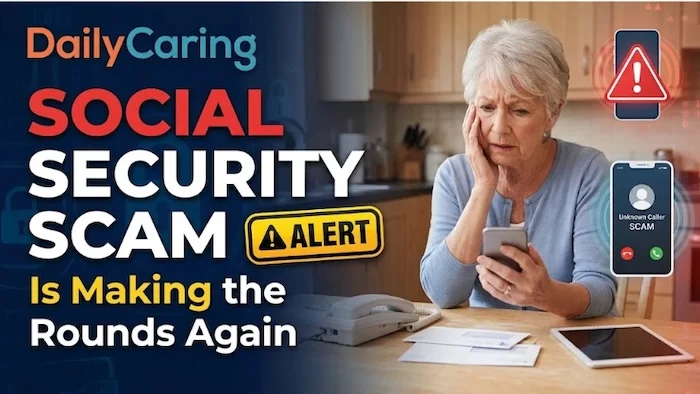
As digital communications become increasingly integrated into daily administrative routines, older adults and their family caregivers face a rapidly evolving landscape of financial fraud. In recent months, cybersecurity experts and federal authorities have issued urgent warnings regarding a dramatic surge in government imposter scams. Specifically, cybercriminals are weaponizing fake Social Security statement notifications, flooding inboxes with deceptive emails designed to mimic official communications from the Social Security Administration (SSA). This sophisticated campaign targets the fixed incomes and financial security of millions of Americans, exploiting the routine tracking of annual benefits, cost-of-living adjustments, and retirement statements.
The Mechanics of the Fraudulent Campaign
The anatomy of this modern phishing scam is engineered to bypass the natural skepticism of recipients through meticulous attention to detail. The scheme typically begins with an unsolicited email claiming that an updated Social Security statement, benefit calculation, or tax document is ready for download. To build a facade of authenticity, bad actors replicate official agency typography, color schemes, government seals, and professional layouts.
Victims who open these messages are confronted with urgent language prompting them to click an embedded link or download an attached file. According to formal advisories from the Social Security Administration Office of the Inspector General (OIG), clicking these malicious links redirects users to counterfeit landing pages. These fraudulent websites mimic the official government portal, prompting seniors and caregivers to input sensitive credentials, including Social Security numbers, dates of birth, banking information, and login passwords.
In alternative iterations of the scam, the embedded files—often formatted as PDFs or compressed ZIP archives—contain malicious software. Once downloaded onto a desktop or mobile device, this malware grants cybercriminals backdoor access to personal files, keystrokes, and financial applications, compounding the risk of identity theft and financial ruin.
Chronology and Escalation of Government Warnings
The proliferation of digital government imposter scams is not entirely new, but the sharp pivot toward official-looking benefit statements marks a dangerous escalation in 2026. For years, federal trade and law enforcement agencies have tracked telephone-based Social Security scams, wherein fraudsters pose as federal agents threatening arrest or benefit suspension over unpaid debts. However, as telecommunications carriers implemented stricter call-authentication frameworks like STIR/SHAKEN, fraudsters shifted a significant portion of their operations to email and SMS phishing vectors.
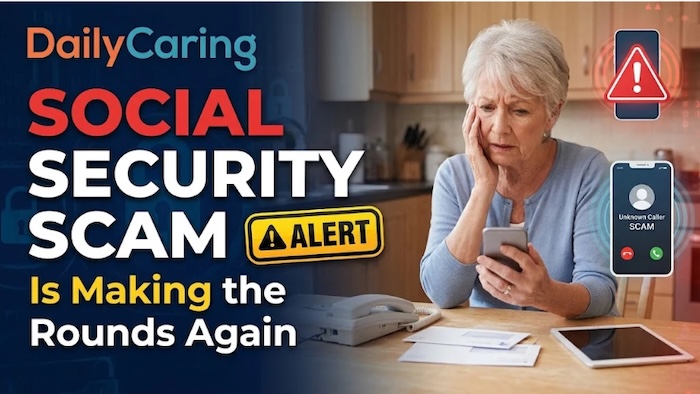
Throughout late 2025 and early 2026, the OIG noted a significant uptick in consumer complaints regarding fraudulent electronic notifications. In response, federal watchdogs released targeted public safety announcements detailing the mechanics of these campaigns. Security analysts attribute this shift to the widespread adoption of online portals, which have trained millions of older adults to expect digital notifications regarding their retirement, disability, and Supplemental Security Income (SSI) benefits. Criminal enterprises have capitalized on this digital migration, transforming a convenient administrative tool into a vector for exploitation.
Contrasting Legitimate Communications with Phishing Attempts
Understanding the distinct differences between official government correspondence and fraudulent phishing attempts remains one of the most effective defenses for families managing complex caregiving responsibilities.
Legitimate electronic notifications from the Social Security Administration adhere to strict communication protocols. Official emails strictly originate from web domains ending in ".gov"—most notably ssa.gov. Furthermore, the agency never includes direct links to document downloads or external login screens within the body of an email. Instead, legitimate notifications serve as courtesy alerts, informing account holders that an update or secure message is waiting inside their personal Message Center, which must be accessed by navigating independently to the official portal.
Conversely, phishing campaigns often utilize free webmail services or spoofed domains designed to look superficially similar to government addresses, such as variations utilizing misspellings or alternative top-level domains. These fraudulent messages invariably feature direct download links, urgent calls to action, and explicit threats of benefit suspension or financial penalties if immediate compliance is withheld. Federal agencies maintain a firm policy: benefits are never suspended simply because an individual fails to respond to an unverified email.
Implications for Family Caregivers and Fixed-Income Households
The broader economic and psychological implications of these cyber threats are profound, particularly for multi-generational households and family caregivers. Managing the financial, medical, and daily living requirements of an aging parent or relative is an inherently demanding role. When caregivers or seniors receive an official-looking notification warning of compromised benefits or altered statements, it triggers immediate anxiety, overriding cautious browsing habits.
Because older adults rely overwhelmingly on fixed retirement incomes and Social Security distributions, the threat of disruption to these funds creates a powerful psychological vulnerability. Financial loss resulting from identity theft or account takeover can devastate a retiree’s savings, leaving them with limited avenues for recovery. Furthermore, the emotional toll of dealing with compromised accounts, frozen assets, and the bureaucratic hurdles of restoring stolen identities places an undue burden on families already navigating the complexities of eldercare.

Actionable Cybersecurity Strategies and Defense Protocols
To mitigate these risks, cybersecurity specialists and elder advocacy organizations recommend adopting proactive digital hygiene habits. The cornerstone of this defense is a simple operational rule: "Type, Don’t Tap." Rather than interacting with links or attachments found in unexpected emails regarding finances or government benefits, individuals should open a clean browser window, manually type the official web address (www.ssa.gov), and log securely into their personal my Social Security account.
Caregivers are advised to implement a family communication protocol establishing that no financial or government-related links should ever be clicked without prior consultation. Additionally, conducting routine digital check-ins—such as reviewing spam filters, bookmarking verified government portals, and ensuring multi-factor authentication is enabled on all financial accounts—provides an additional layer of structural security.
Protocol Following Suspected Compromise
If a senior or caregiver inadvertently clicks a suspicious link, downloads an attachment, or inputs sensitive information into a fraudulent landing page, rapid intervention is critical to mitigating long-term damage.
Immediate containment steps include:
- Disconnecting the affected device from the internet to halt potential malware transmission or active data exfiltration.
- Changing passwords immediately for all primary email accounts, online banking portals, and government dashboards from a secure, uncompromised device.
- Contacting financial institutions, credit card issuers, and credit bureaus to place fraud alerts or credit freezes on the victim’s profile.
- Reporting the incident directly to federal authorities, including the Social Security Administration Office of the Inspector General, the Federal Trade Commission (FTC) at reportfraud.ftc.gov, and the FBI’s Internet Crime Complaint Center (IC3).
Conclusion: Securing Peace of Mind Through Vigilance
As digital infrastructure continues to evolve, fraudulent actors will persistently seek new methodologies to exploit administrative systems and vulnerable populations. However, the efficacy of these cyber threats relies heavily on urgency, deception, and a lack of awareness. By maintaining a steadfast commitment to secure browsing practices, verifying sender credentials, and fostering open family dialogues regarding digital safety, caregivers can effectively neutralize these malicious campaigns. Safeguarding hard-earned retirement benefits requires vigilance, but through education and systematic prevention, families can protect both their financial assets and their peace of mind.