Navigating the Future of Healthcare: A Comprehensive Overview of Section 1115 Medicaid Demonstration Waivers, Policy Shifts, and State-Level Impacts

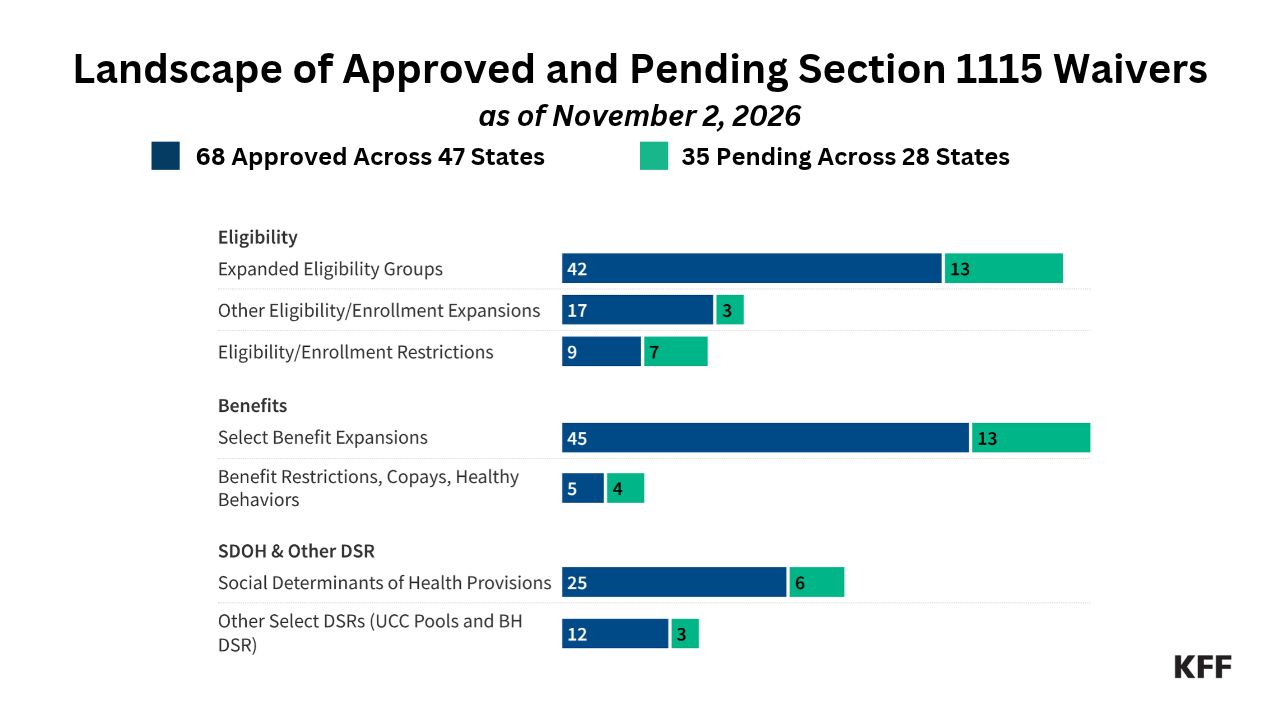
Section 1115 Medicaid demonstration waivers have long served as the primary laboratory for health policy innovation in the United States, giving states the flexibility to test experimental approaches that diverge from federal statutory requirements. Under these provisions, the Secretary of the Department of Health and Human Services (HHS) can authorize state-specific programs provided they are deemed likely to promote the core objectives of the Medicaid program. Nearly all states currently manage at least one active Section 1115 waiver, using this federal mechanism to tailor eligibility criteria, redesign benefit packages, and address complex social determinants of health (SDOH).
However, the landscape of Section 1115 waivers is continuously reshaped by shifting priorities across presidential administrations, congressional legislation, and ongoing legal battles. As federal oversight transitions, states find themselves navigating a rapidly evolving framework characterized by new mandates, rescinded guidance, and emerging compliance deadlines that will dictate the future of coverage for millions of low-income Americans.
The Evolution of Section 1115 Waivers: Historical Context and Administrative Shifts
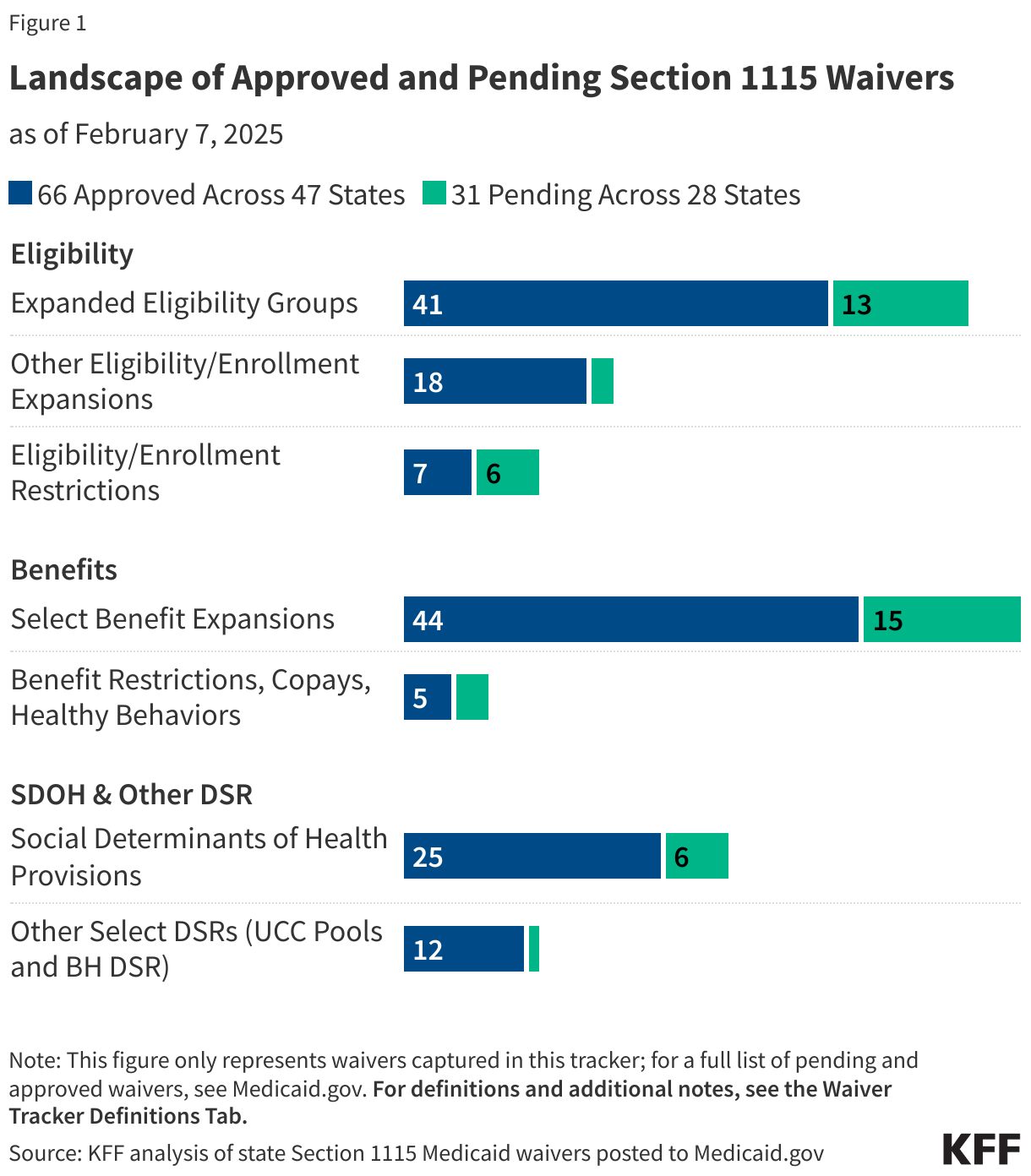
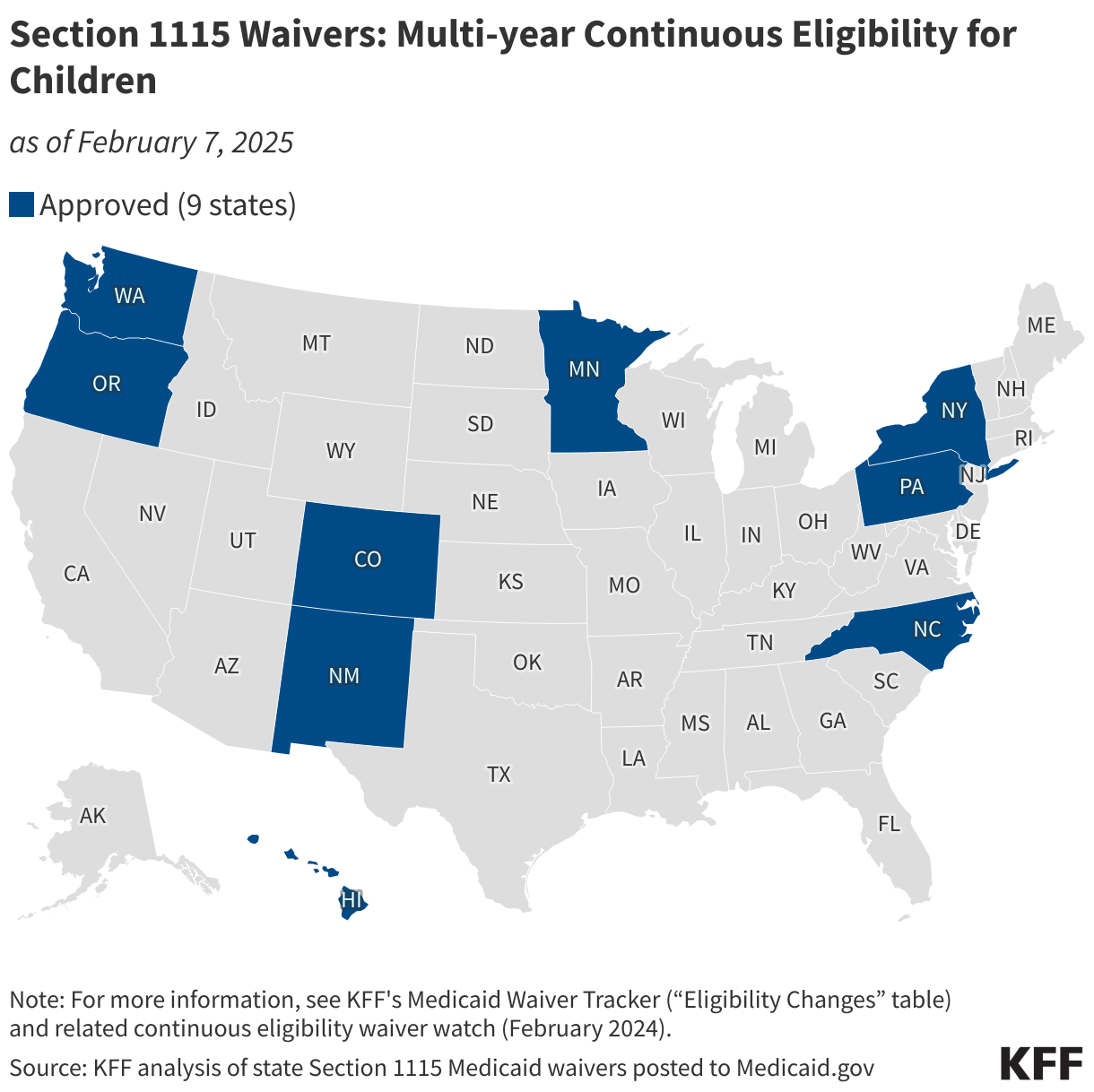
The fundamental purpose of a Section 1115 waiver is to offer flexibility beyond what is already permitted under current federal law. Over the years, these waivers have reflected the distinct ideological and political priorities of successive presidential administrations. During the Biden-Harris administration, federal health officials heavily prioritized initiatives addressing health-related social needs—such as housing stability and nutritional support—alongside pre-release healthcare coverage for incarcerated individuals and multi-year continuous eligibility policies designed to keep children enrolled in coverage without administrative disruption.
With the return of the Trump administration, however, federal healthcare priorities have undergone a notable realignment. In March 2025, CMS formally rescinded the previous administration’s broad guidance regarding Health-Related Social Needs (HRSN), signaling that while existing approvals would remain intact, future requests for HRSN and SDOH services would be evaluated on a stricter, case-by-case basis. Subsequent policy announcements in mid-2025 further curtailed certain demonstration tools, including the phase-out of federal funding for Designated State Health Programs (DSHP) and the discontinuation of new or extended continuous eligibility waivers for both children and adults. Furthermore, initiatives aimed at bolstering the Medicaid primary care, behavioral health, dental, and home- and community-based services workforce have been scaled back.
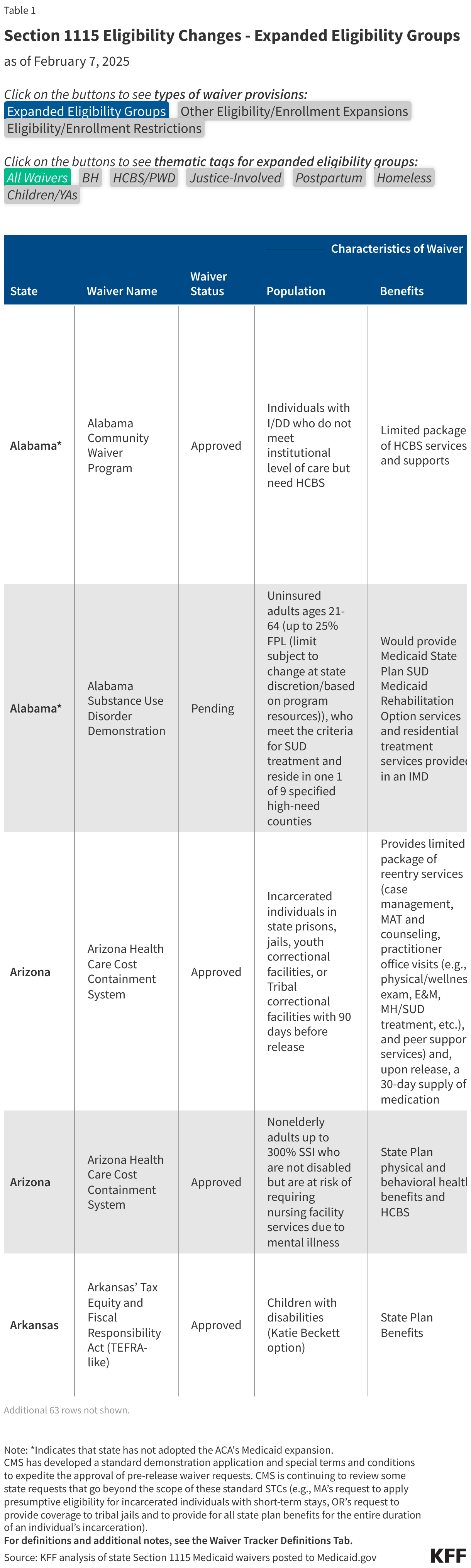
These administrative pivots have forced state Medicaid directors to reevaluate their long-term strategic planning, balancing local health system needs against a more restrictive federal approval environment.
Mandatory Work Requirements and Early Implementation Timelines
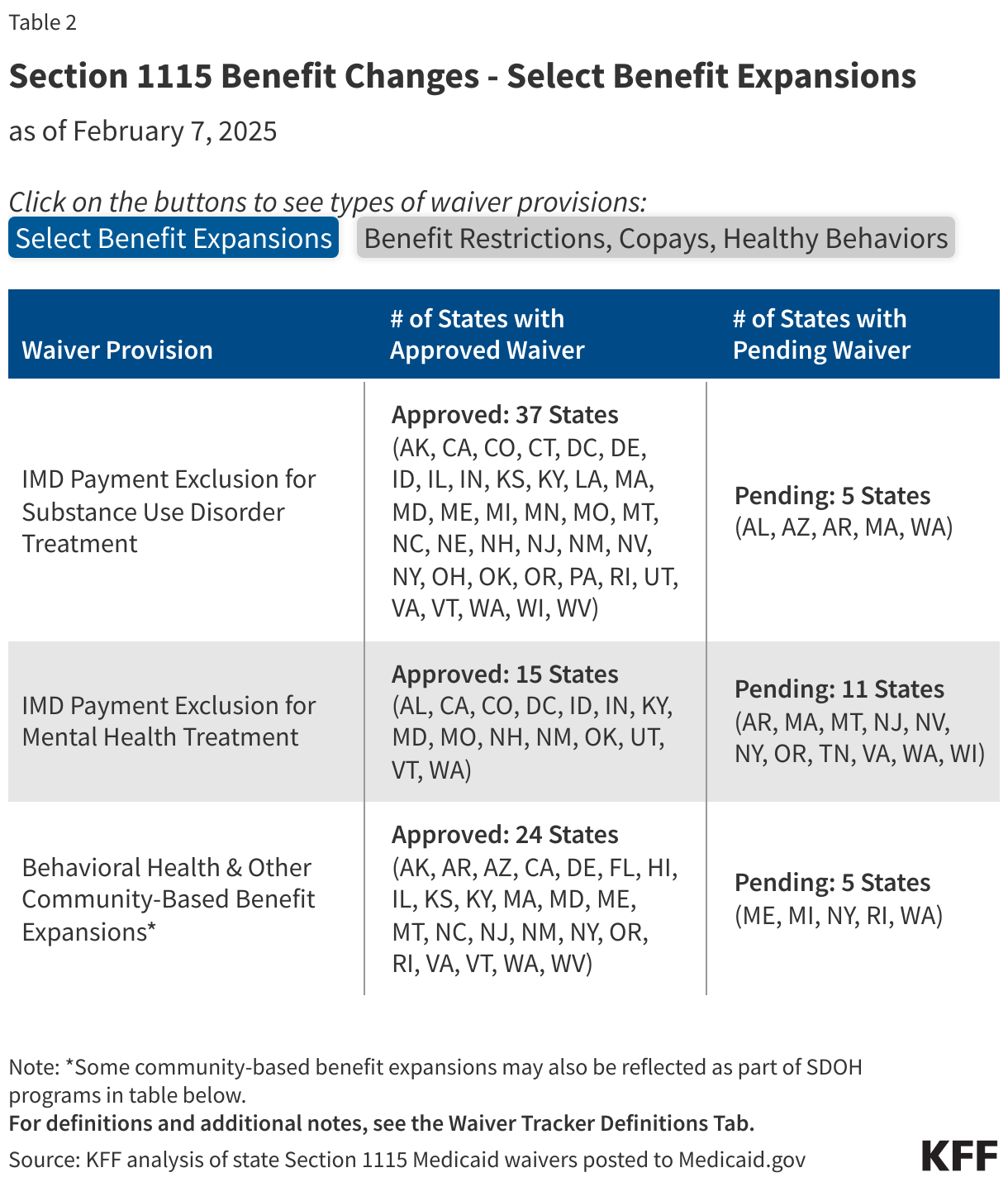
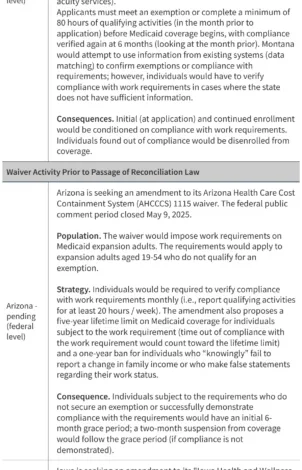
One of the most significant structural changes to the Medicaid program stems from federal legislative action. The 2025 reconciliation and budget legislation codified a nationwide mandate requiring states to condition Medicaid eligibility for adults in the Affordable Care Act (ACA) expansion group on meeting strict work and community engagement requirements. Set to take effect nationally on January 1, 2027, this federal mandate shifts work requirements from a state-option waiver experiment to a mandatory statutory rule.
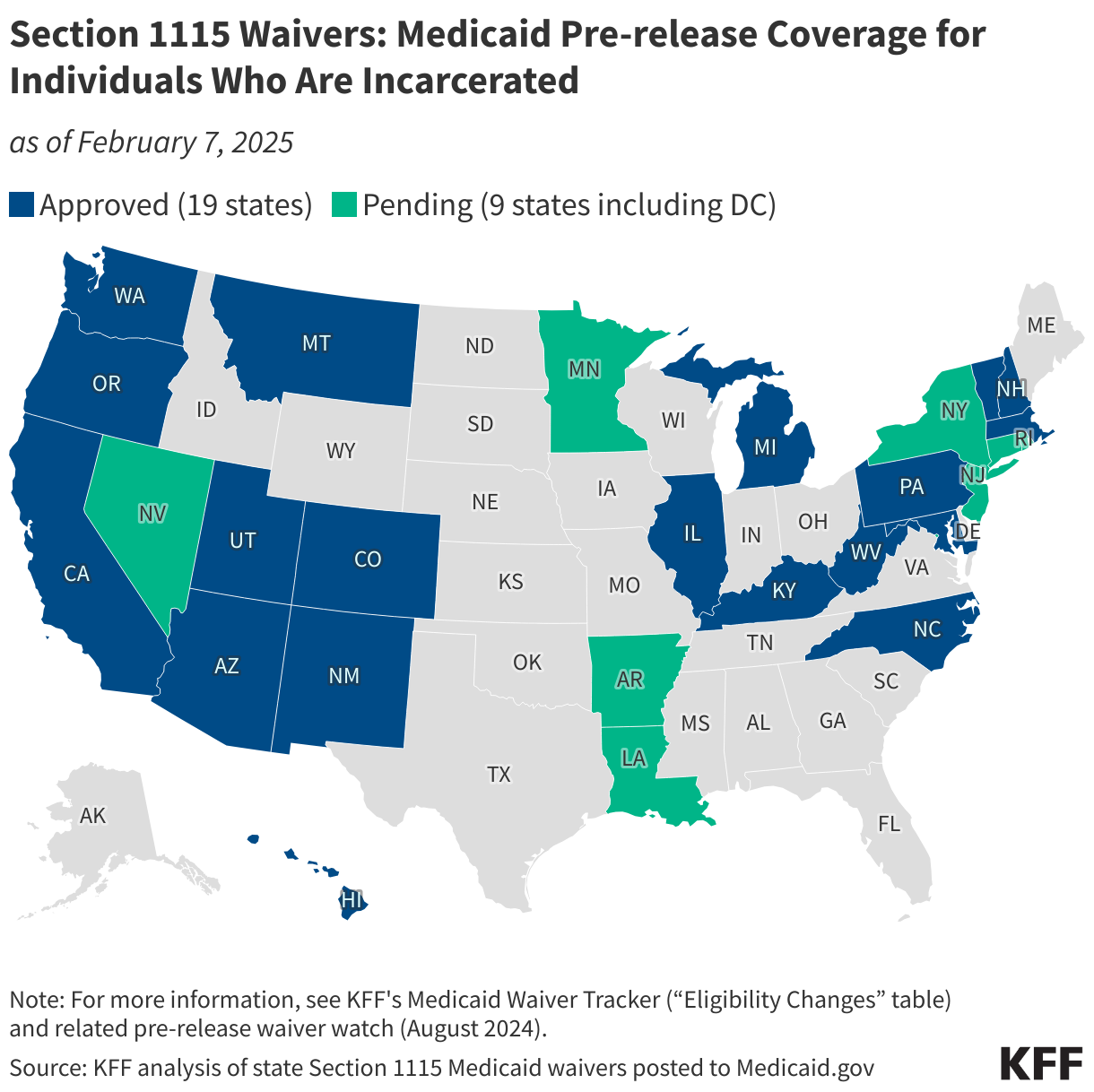
Despite the 2027 national deadline, several states have moved to implement work requirements ahead of schedule utilizing State Plan Amendments (SPAs). Nebraska made history by announcing it would become the first state to enforce federal work requirements early via an SPA, effective May 1, 2026. Montana and Iowa have similarly scheduled early implementations for July 1, 2026, and December 1, 2026, respectively. Meanwhile, Arkansas announced plans to initiate a "soft implementation" on July 1, 2026, focusing on outreach and compliance assistance without disenrolling non-compliant individuals prior to the mandatory January 2027 cutoff.

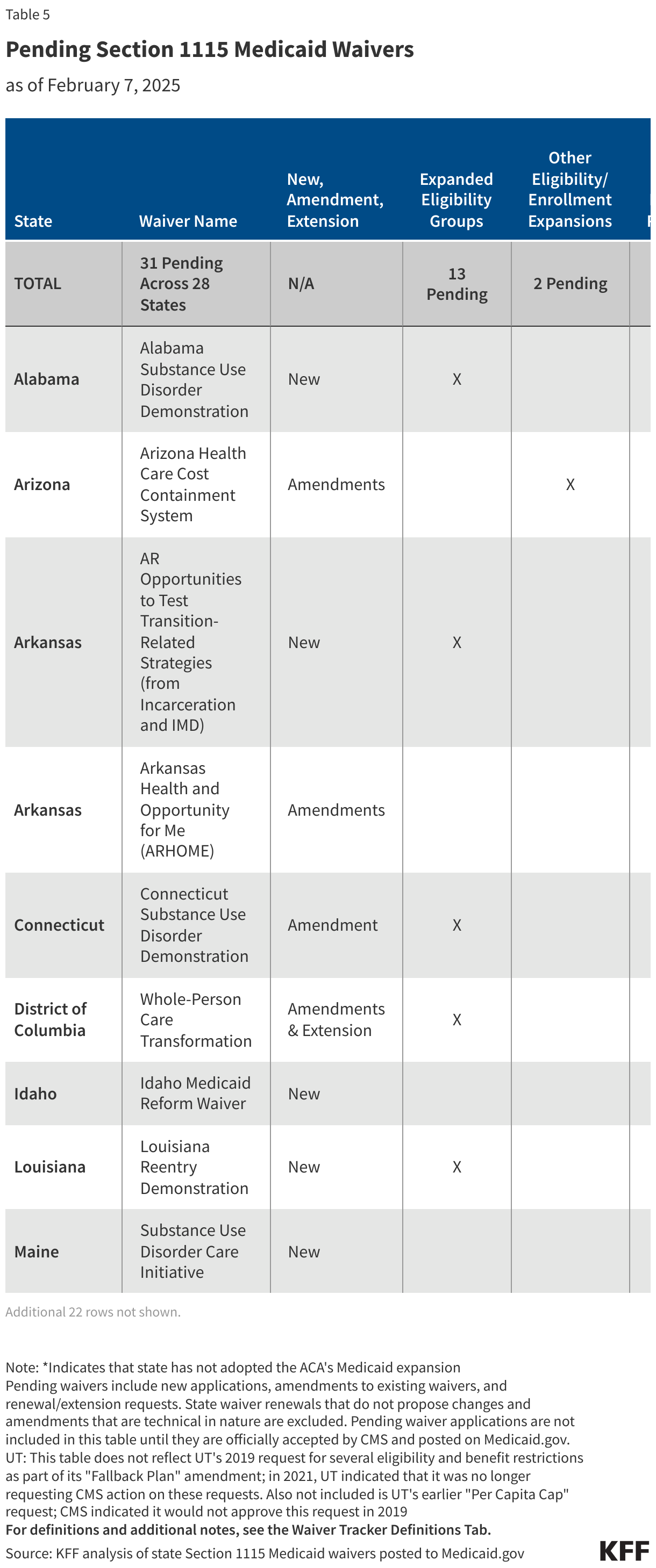
Conversely, the landscape of Section 1115 work requirement waivers has contracted. Following years of protracted litigation—most notably concerning Georgia’s Pathways to Coverage program, which survived legal challenges mounted against the initial Biden administration pushback—Georgia remains the sole state operating an active, approved work requirement waiver. Because Georgia’s waiver is slated to expire on December 31, 2026, the state will transition directly into compliance with the new federal rules when they take effect the following day. Given the passage of the federal budget reconciliation bill, other states pursuing work requirements are increasingly utilizing SPAs rather than navigating the lengthy Section 1115 waiver approval process.
Targeting Social Determinants of Health and Incarcerated Populations
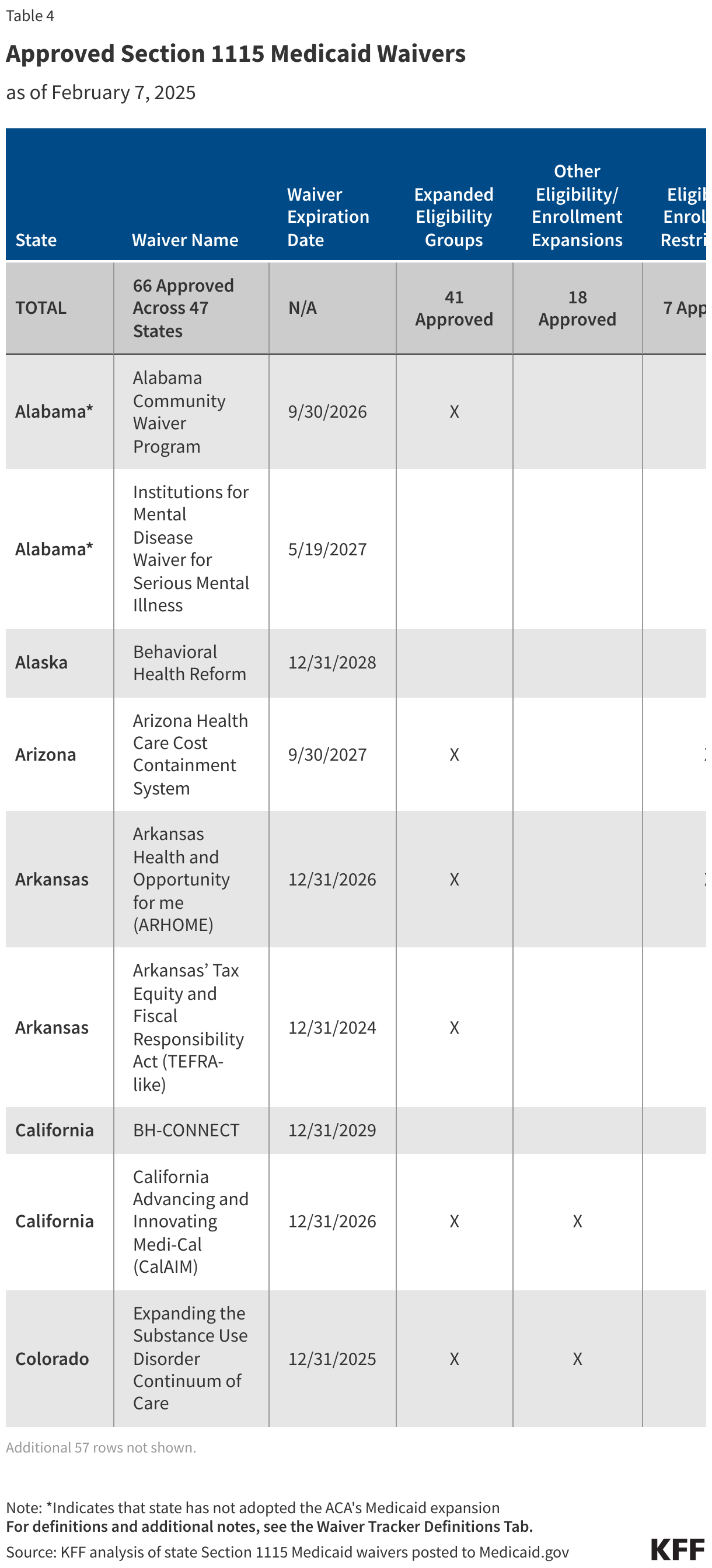
Despite administrative headwinds at the federal level, state demand for innovative service delivery models remains high, particularly regarding social determinants of health and criminal justice reform.
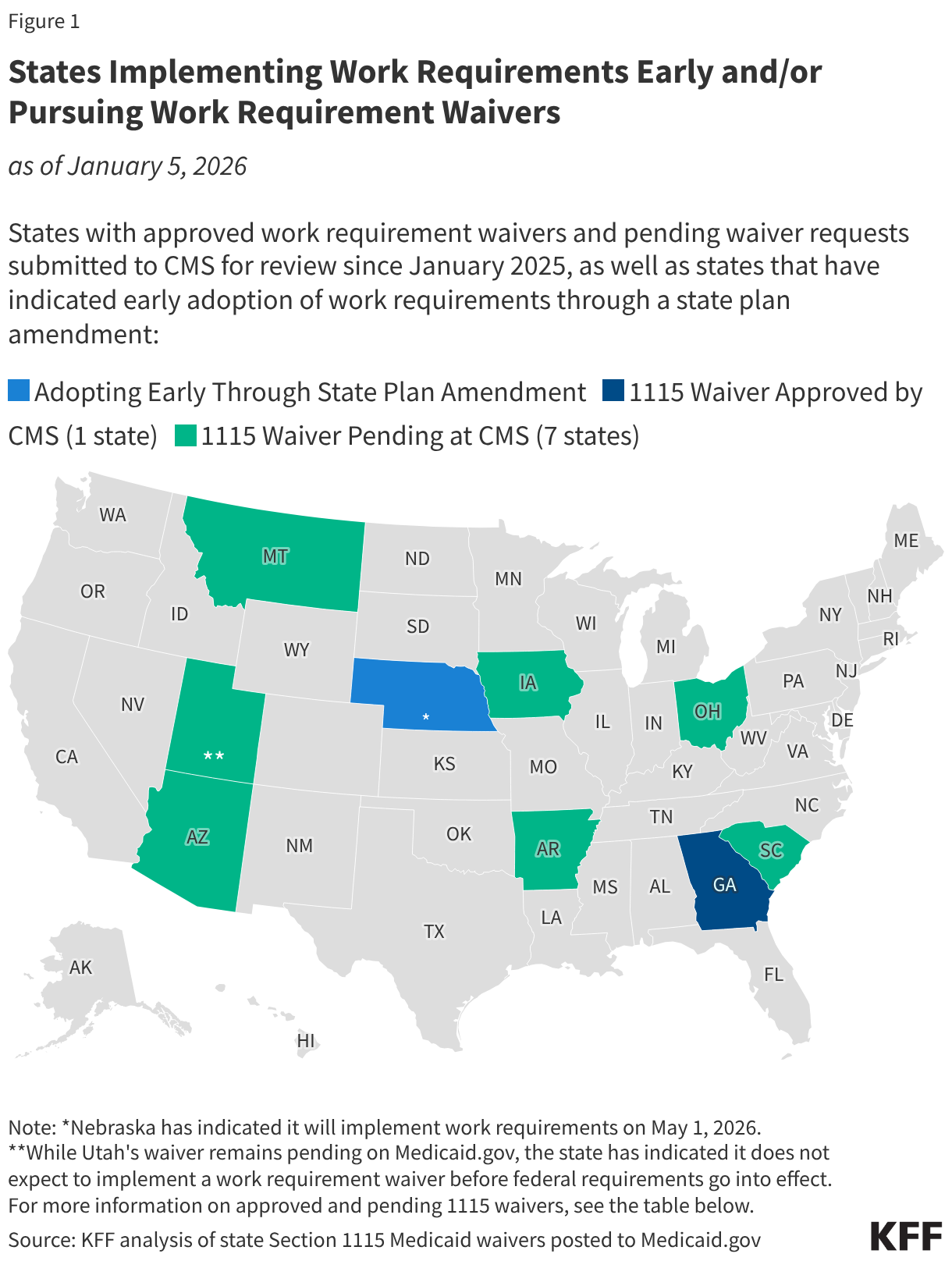
Social determinants of health—encompassing housing stability, food security, transportation, and environmental safety—form the bedrock of many modern state delivery system reforms. Under the prior administration’s HRSN framework, numerous states secured approval to use federal Medicaid dollars to pay for non-clinical interventions such as medically tailored meals and housing tenancy supports. Although the Trump administration rescinded the broad HRSN guidance in March 2025, CMS has maintained that states with existing approvals can continue their programs while new proposals undergo rigorous, individualized reviews.
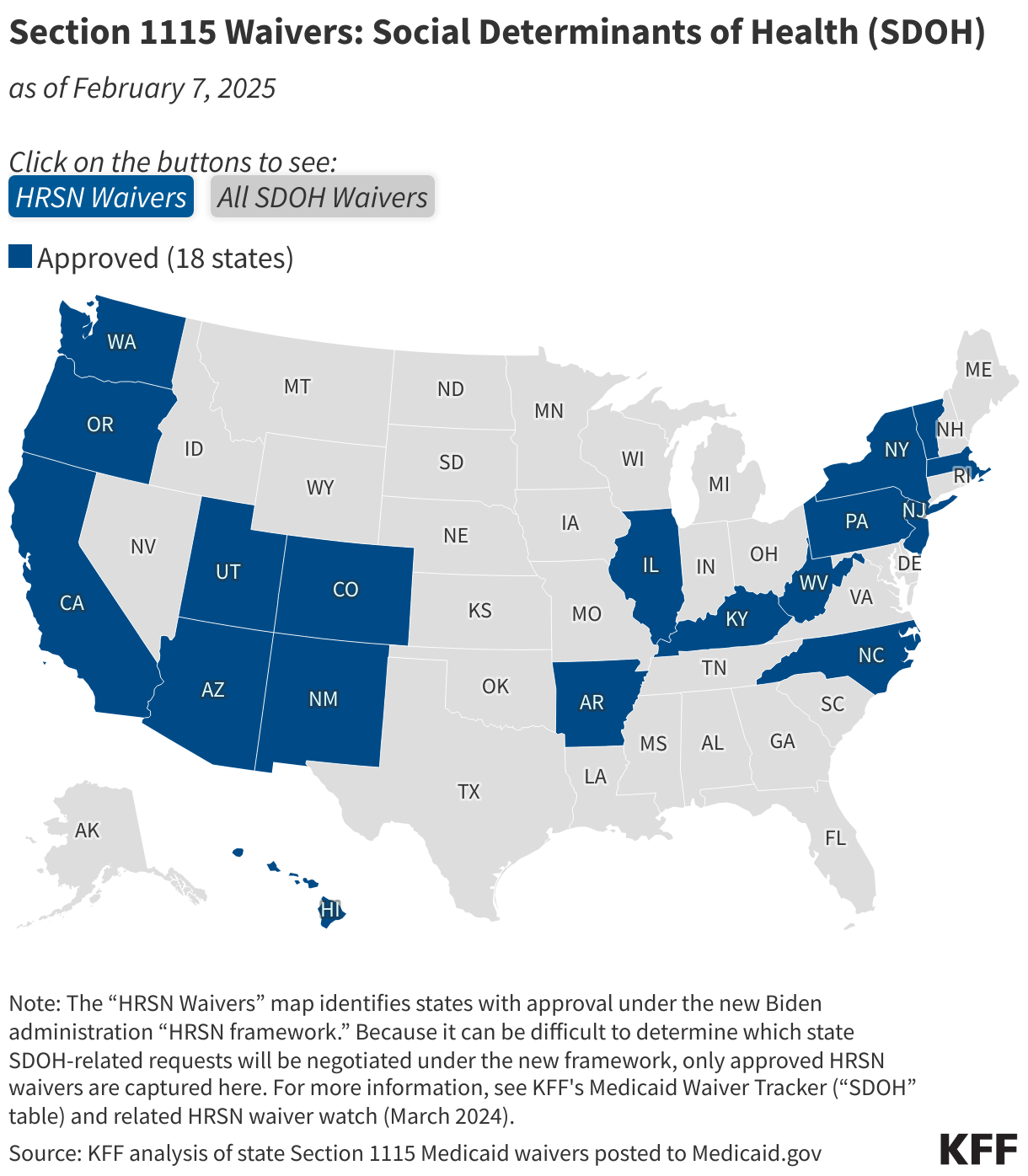
Another major area of bipartisan state activity involves pre-release coverage for individuals who are incarcerated. Historically, the federal "inmate exclusion policy" prohibited Medicaid from paying for healthcare services rendered inside correctional facilities, creating dangerous gaps in care upon release, disrupting chronic disease management, and contributing to high recidivism and overdose rates. In April 2023, the Biden administration introduced a dedicated Section 1115 demonstration opportunity to allow pre-release services 90 days prior to expected release, ultimately approving 19 state waivers.
The momentum surrounding criminal justice reform has extended into the current administration. In September 2026, the Trump administration approved five additional pre-release waivers and indicated that updated demonstration guidance would be issued within the year. Because these reentry waivers have been pursued by governors across the political spectrum, they represent one of the few areas of sustained, cross-party consensus in modern Medicaid policy.
Eligibility Restrictions, Retroactive Coverage, and Judicial Intervention
Beyond structural delivery reforms, Section 1115 waivers continue to govern fundamental eligibility and enrollment parameters, including retroactive coverage, premium policies, and enrollment fees.

Under traditional Medicaid rules, beneficiaries were entitled to up to three months of retroactive coverage for medical bills incurred prior to submitting their application. Section 1115 waivers have frequently been used by states to curtail this window. However, federal changes introduced in the 2025 tax and spending legislation will permanently alter this dynamic. Beginning January 1, 2027, retroactive coverage will be statutorily capped at one month prior to application for ACA expansion enrollees and two months for traditional populations. Additionally, the legislation mandates the complete prohibition of enrollment fees and premiums for ACA expansion adults, effective October 2028—effectively phasing out controversial premium-based models previously tested in states like Arkansas, Michigan, Montana, and Wisconsin.
State-level litigation continues to serve as a critical check on waiver implementation. A prominent example unfolded in Indiana, where the U.S. District Court for the District of Columbia issued a sweeping June 2024 decision vacating the federal approval of the state’s "Healthy Indiana Plan 2.0" waiver. The ruling stripped Indiana of its authority to charge non-standard premiums, waive retroactive eligibility, and exempt non-emergency medical transportation (NEMT). The Indiana Family and Social Services Administration (FSSA) subsequently appealed the ruling to the D.C. Circuit Court, highlighting the persistent legal vulnerabilities states face when attempting to enforce restrictive waiver provisions.
Implications for Beneficiaries, State Budgets, and the Healthcare Ecosystem
The convergence of federal legislative mandates, shifting executive branch priorities, and state-level experimentation carries profound implications for the American healthcare landscape.
For Medicaid beneficiaries, the upcoming changes present a complex matrix of new opportunities and potential barriers. While individuals leaving correctional facilities stand to benefit from expanded pre-release care coordination, and targeted populations may continue to receive housing and nutritional support, the impending enforcement of mandatory work requirements threatens to disenroll thousands of adults who fail to document compliance. Furthermore, the termination of continuous eligibility waivers for children risks renewing administrative "churn," where families temporarily lose and regain coverage due to minor procedural hurdles, leading to fragmented care and increased uncompensated care burdens for health systems.
For state policymakers and budget directors, the transition requires careful fiscal management. States that relied on federal Designated State Health Programs or workforce enhancement grants must now identify alternative revenue sources to sustain their delivery system transformations. At the same time, state agencies must rapidly update their administrative infrastructure to prepare for the January 1, 2027 implementation of mandatory work requirements and altered retroactive eligibility windows.
Ultimately, Section 1115 waivers remain the definitive battleground and proving ground for American health policy. As federal and state authorities grapple with competing visions of welfare delivery, poverty alleviation, and fiscal responsibility, the trajectory of these demonstrations will fundamentally define the safety net’s capacity to protect vulnerable populations in the years ahead.
Related posts: