Navigating the Market: A Comprehensive Guide to Choosing the Right Medical Alert System for Seniors

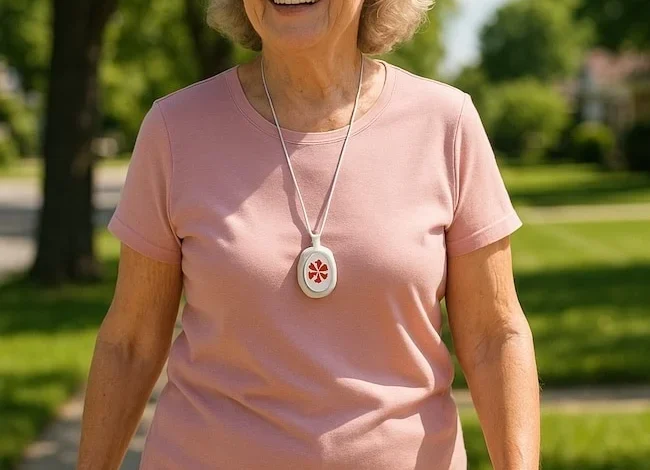
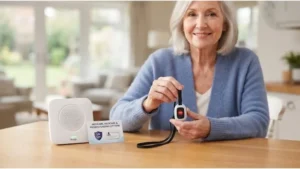
The global landscape of aging-in-place technology has undergone a profound transformation over the past decade, shifting from bulky, landline-dependent panic buttons to sophisticated, mobile-enabled personal emergency response systems (PERS). For millions of older adults and their families, selecting the appropriate medical alert system has evolved into a critical health and safety decision. With the aging population expanding rapidly—the U.S. Census Bureau projects that all baby boomers will be older than 65 by 2030—the demand for reliable, user-friendly remote monitoring solutions has reached an all-time high.
Industry experts and healthcare executives emphasize that finding a solution tailored to a senior’s specific lifestyle, mobility level, and residential environment is paramount. Whether evaluating stationary units designed for individuals who spend the majority of their time indoors or exploring advanced, GPS-enabled mobile pendants for active seniors, understanding the technical and financial nuances of these devices ensures safety without sacrificing personal comfort or straining household budgets.
Evolution and Background of Personal Emergency Response Systems
The concept of the medical alert system dates back to the early 1970s, originating as simple wired buttons connected to stationary home telephone lines. For decades, these legacy systems served a vital purpose but were inherently limited by physical infrastructure. Users were restricted to a tight radius around the main console, usually no more than a few hundred feet, rendering the devices useless outside the home.

The widespread adoption of cellular networks and Global Positioning System (GPS) technology in the 2010s revolutionized the PERS industry. Modern devices now leverage nationwide 4G and 5G cellular networks, allowing seniors to maintain independence while running errands, traveling, or tending to gardens yards away from a traditional base station. Furthermore, the integration of advanced internal sensors, such as accelerometers and gyroscopes, has introduced automated fall detection capabilities, which can summon emergency medical services even if a user loses consciousness or is unable to physically press the help button.
Core Evaluation Factors: The Five Essential Questions
To simplify the procurement process, geriatric care managers and safety specialists recommend systematically analyzing five critical operational categories before purchasing a medical alert system.
1. Determining the Right Form Factor: In-Home versus Mobile Systems
The foundational decision in selecting a medical alert system centers on the user’s daily mobility patterns.
- In-Home Systems: These traditional configurations utilize a primary base station connected via a cellular network or a legacy landline. They are best suited for homebound seniors or individuals who rarely leave the residence without a companion or caregiver. Standard in-home wearables typically offer a signal range of 800 to 1,400 feet, providing adequate coverage for the interior of most homes, apartments, and immediate backyards.
- Mobile and GPS Systems: Designed for active older adults who drive, attend community events, or walk independently, cellular-based pendants and smartwatches utilize satellite tracking and mobile network connectivity. These devices allow emergency dispatchers to pinpoint a user’s exact coordinates nationwide, providing a safety net far beyond the perimeter of the home.
- Hybrid Solutions: Recent market developments include hybrid systems featuring mobile pendants that connect to an in-home cellular base station equipped with backup battery power. This configuration has become increasingly popular in modern multi-family housing complexes where traditional landline jacks are absent.
| Feature Comparison | In-Home Systems | Mobile / GPS Systems |
|---|---|---|
| Primary Demographic | Homebound seniors or those requiring constant in-house supervision. | Active seniors who drive, run errands, or travel independently. |
| Operational Range | 800 to 1,400 feet from the primary base station. | Nationwide coverage wherever active cellular service is available. |
| Location Tracking | None required; emergency services default to the registered home address. | Advanced GPS tracking to locate the user precisely in real time. |
| Power Management | Base plugs into AC power; wearable buttons feature long-lasting non-rechargeable batteries. | Wearable units require frequent recharging, typically every 24 to 120 hours. |
2. Evaluating Automatic Fall Detection Technology
Falls remain a leading cause of fatal and non-fatal injuries among older adults, according to data from the Centers for Disease Control and Prevention (CDC). Automatic fall detection addresses a critical vulnerability in emergency response: the scenario where a senior experiences a debilitating fall and is unable to activate the help button manually.

Modern fall detection technology relies on micro-electromechanical systems (MEMS), including accelerometers and gyroscopes, housed within the wearable pendant or watch. These sensors analyze changes in velocity, posture, and impact forces to distinguish between a routine movement, such as sitting down quickly, and a genuine fall. Upon detecting a suspected fall, the device automatically signals the monitoring center.
While highly beneficial for high-risk individuals, industry analysts note that fall detection typically incurs a small additional monthly fee and is not infallible; false alarms can occasionally occur, and certain slow slides to the floor may not register with the same velocity as a sudden drop.
3. Assessing Monitoring Center Reliability and Response Times
The true value of any personal emergency response system lies in the efficiency and professionalism of its 24/7 monitoring center. When an alarm is triggered, the response time can drastically influence medical outcomes.
- Response Benchmark: Industry standards dictate that a monitoring center operator should answer an incoming emergency call within 30 seconds.
- Redundancy and Power Failures: Consumers are advised to select systems backed by redundant cellular networks and base stations featuring integrated backup batteries. This ensures uninterrupted service during localized power outages, severe weather events, or grid failures.
- Two-Way Communication: High-quality devices incorporate high-gain microphones and speakers directly into the pendant or base station, allowing operators to communicate clearly with the user to assess the severity of the situation before dispatching emergency medical technicians, fire departments, or family contacts.
4. Financial Considerations, Upfront Costs, and Contract Terms
Navigating the financial obligations of medical alert systems requires careful examination of both initial outlays and recurring expenditures.

- Equipment Costs: Depending on the provider, hardware may be provided at no upfront cost under a subscription model, or it may require a significant initial purchase price for advanced mobile or smartwatch configurations.
- Monthly Service Fees: Standard monitoring subscriptions generally range between $20 and $50 per month, scaling upward with premium additions such as GPS tracking, cellular connectivity, and automated fall detection.
- Contract Flexibility: Consumer advocacy groups strongly recommend avoiding long-term, multi-year contracts. Flexible month-to-month service agreements allow families to cancel or modify services if the senior’s health status changes, moves to an assisted living facility, or transitions to skilled nursing care.
- Hidden Fees: Buyers should scrutinize fine print for activation charges, shipping fees, device return penalties, and cancellation terms.
5. Ergonomics, Usability, and Wearability
A medical alert device can only save a life if it is actively worn. Consequently, ergonomic design, weight, and ease of use are critical purchase criteria.
- Physical Form Factor: Pendants and wristbands must be lightweight, waterproof for shower use, and aesthetically acceptable to the wearer to encourage daily compliance. Bulky or overly complex watch designs can cause wrist fatigue or prove difficult for seniors with arthritis to operate.
- Battery Maintenance: Mobile devices require routine charging regimens. Systems that fail to alert users to low battery levels pose a distinct safety risk if they power down unexpectedly.
- Simplified Setup: Clear installation instructions and intuitive out-of-the-box configurations reduce technological friction for both seniors and the family members assisting with setup.
Broader Industry Implications and Expert Recommendations
As the healthcare sector continues to prioritize aging-in-place initiatives, medical alert systems are increasingly intersecting with broader smart-home ecosystems. Modern emergency response devices frequently integrate with voice-controlled virtual assistants such as Amazon Alexa and Google Home, and they offer secondary companion smartphone applications that notify designated family members or professional caregivers of system status, daily activity levels, and emergency alerts.
Healthcare economists and senior care executives project continued innovation in this sector, driven by advancements in biometric monitoring, artificial intelligence-based activity recognition, and miniaturized wearable technology. However, experts stress that technology should complement, rather than replace, human oversight and comprehensive care planning.
Families are advised to consult with primary care physicians, geriatricians, or occupational therapists before investing in specific emergency response infrastructure. By aligning the technical specifications of a personal emergency response system with the physical realities, lifestyle habits, and financial parameters of the older adult, caregivers can establish a secure environment that fosters long-term independence, dignity, and peace of mind.