Advancing Authentic Disability Representation in Media and Creative Industries Webinar Set for October 2026

The intersection of media, corporate responsibility, and disability advocacy is set to take center stage on Wednesday, October 21, 2026, as Disability Belongs hosts a pivotal one-hour webinar aimed at industry leaders and creative professionals. Scheduled for 2:00 p.m. ET (11:00 a.m. PT), the event addresses the persistent disconnect between the demographic reality of the United States population and the portrayal of individuals with disabilities across entertainment, advertising, sports, and news broadcasting. As the creative industries continue to grapple with diversity, equity, and inclusion (DEI) initiatives, this session focuses on the business and ethical imperatives of integrating authentic disability narratives into mainstream content.
The Landscape of Representation: Data and Demographics
To understand the urgency of the upcoming webinar, one must look at the statistical foundation of the disability community. According to the Centers for Disease Control and Prevention (CDC), approximately 27% of adults in the United States—or more than one in four—live with some form of disability. Despite this significant portion of the population, longitudinal studies by organizations such as the Geena Davis Institute on Gender in Media have consistently shown that characters with disabilities are severely underrepresented in film and television. When they do appear, these characters are frequently portrayed through tropes, stereotypes, or by actors without disabilities, a practice known as "cripface," which has drawn increasing criticism from advocacy groups and creative unions alike.
The economic implications are equally compelling. Market research suggests that "disability-inclusive" advertising is not merely a social good but a sound fiscal strategy. The "Disability Market," often referred to as the "Purple Dollar," represents a global segment with a disposable income of over $1 trillion. When accounting for the friends and family of those with disabilities, this reach expands to include roughly 73% of all consumers. By ignoring this demographic in marketing and storytelling, corporations are effectively leaving significant market share on the table, failing to engage with a loyal and vocal audience that is actively seeking content that mirrors their lived experiences.
Chronology of the Movement Toward Inclusivity
The push for better representation has been a long-term project for activists and industry insiders, gaining significant momentum over the past decade. The trajectory of this movement can be traced through several critical milestones:
- 2016–2018: The emergence of social media advocacy, spearheaded by hashtags such as #DisabledPeopleInMedia, began to force studios to acknowledge the lack of authentic casting.
- 2020: The global pandemic highlighted the essential nature of digital accessibility, forcing news and entertainment industries to adopt remote working and captioning technologies that had been requested by disabled creators for years.
- 2023–2024: Major film festivals and advertising agencies began introducing "Disability Inclusion Riders," which mandate specific standards for accessibility and representation on sets and in production teams.
- 2025: The industry saw a record number of awards nominations for actors with disabilities, marking a shift from niche recognition to mainstream prestige.
- October 2026: The upcoming webinar arrives at a time when the "authenticity mandate" has moved from a request to a professional standard, as firms look for actionable strategies to institutionalize these changes.
Professional Perspectives and Industry Impact
Industry experts argue that the barrier to authentic representation is rarely a lack of talent, but rather a lack of systemic access. Producers, casting directors, and advertising executives often cite a lack of networks as the primary hurdle when attempting to hire disabled talent. The Disability Belongs webinar aims to dismantle this excuse by providing a forum where the creative and business sides of the industry can engage with the realities of accessible production.
"Authenticity is the new benchmark for creative innovation," noted a media analyst familiar with the event’s mission. "We are moving past the era where a non-disabled actor playing a disabled role is considered an achievement. Now, the audience is looking for the nuance, the humor, and the complexity that only comes from lived experience. If you aren’t hiring disabled writers to tell these stories, you aren’t just being exclusive—you are producing inferior creative work."
The advertising sector, in particular, is undergoing a rapid transformation. Brands that have successfully integrated authentic representation into their campaigns—such as those featuring disabled athletes in sports marketing or individuals with visible disabilities in skincare advertisements—have reported higher brand affinity scores. This shift is not merely about "ticking a box" but about building brand loyalty with a population that has been historically ignored by traditional advertising agencies.

The Role of News and Sports Broadcasting
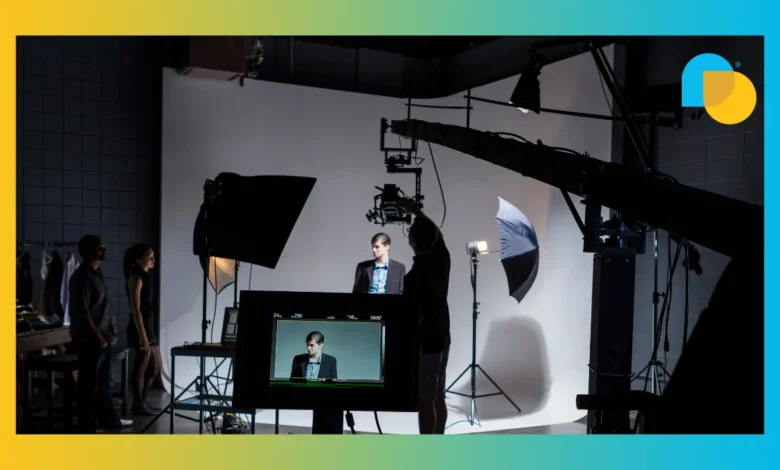
Beyond entertainment and advertising, the news and sports industries face unique challenges and opportunities. In news broadcasting, the presence of reporters and anchors with disabilities provides a critical level of authenticity during reports on healthcare, policy, and social justice. However, the technical infrastructure of many newsrooms remains a barrier. The webinar will likely address how news organizations can optimize their studios and workflows to accommodate diverse physical and sensory needs, ensuring that newsrooms reflect the public they serve.
In the realm of sports, the visibility of athletes with disabilities has been largely confined to the Paralympic Games. However, there is a growing push for these athletes to be integrated into broader sports media coverage, moving beyond the "inspiration porn" narrative that often permeates sports journalism. By treating athletes with disabilities as professionals whose performance metrics are as vital as those of their non-disabled counterparts, sports media can significantly alter the societal perception of physical ability.
Strategic Objectives for the Webinar
The webinar is designed to offer more than just a theoretical discussion. It is structured to provide attendees with a toolkit for organizational change. For those working in the creative industries, the session will emphasize:
- Casting and Hiring Practices: Moving toward inclusive casting databases and ensuring that production sets meet universal design standards.
- Narrative Development: Shifting away from "tragedy" or "superhero" tropes to create characters with disabilities whose arcs are not defined solely by their physical or mental condition.
- Accessibility in Marketing: Ensuring that digital and physical assets are fully accessible to the audience, including those with visual and auditory impairments, which is an often-overlooked aspect of brand representation.
- Measuring Success: Understanding how to utilize data to track the success of inclusive campaigns, moving beyond vanity metrics to look at long-term audience engagement and market penetration.
Broader Implications for the Creative Economy
The implications of this movement are far-reaching. As artificial intelligence and new media technologies reshape how content is produced and consumed, the need for human-centric storytelling that includes the full spectrum of the human experience is becoming paramount. By fostering a workforce that is truly representative of the population, the entertainment and media industries can tap into a well of untapped stories, perspectives, and innovative approaches to problem-solving.
Furthermore, the legal and regulatory landscape is evolving. With stricter enforcement of accessibility guidelines in many jurisdictions, companies that fail to adapt their hiring and production practices may face increased scrutiny. However, the speakers at the upcoming event are expected to emphasize that the motivation for change should transcend legal compliance. The primary driver, they argue, is the potential for exponential creative growth that occurs when diverse minds are given the resources to shape the cultural narrative.
Conclusion: Moving Toward a New Standard
As the date for the Disability Belongs webinar approaches, the consensus among industry leaders is that the status quo is no longer sustainable. The creative industries are currently in a period of transition where the demand for authenticity is being met by an increasingly organized and talented pool of disabled professionals.
The event, which is open to all industry professionals, serves as a checkpoint for the current state of representation. It offers a unique opportunity for those in decision-making roles to engage with the structural changes necessary to make the industry more inclusive. Whether one is a casting director, a copywriter, a news producer, or a sports executive, the webinar provides the context and the framework required to navigate the future of inclusive media.
Registration for the event is currently open, and professionals are encouraged to sign up early to secure their place in what promises to be a transformative discussion. By acknowledging that authentic disability representation is a catalyst for innovation rather than a burden, the industry can begin to bridge the gap between the screen and the reality of the 21st-century audience. The goal is clear: a creative sector that is not only accessible to the creators behind the camera but also reflects the rich, diverse reality of the world in front of it.