Breaking Down Barriers to the Great Outdoors: A Nationwide Guide to Accessible All-Terrain Track Chair Programs

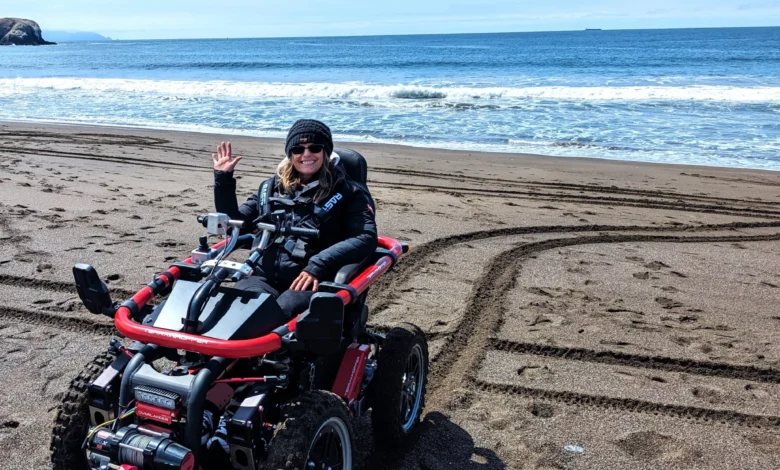
The traditional narrative of hiking has long been restricted to those with the physical mobility to navigate uneven, rugged, and unpaved terrain. However, a quiet revolution is transforming the accessibility of the American landscape, as state parks, national parks, and dedicated nonprofits have begun deploying fleets of all-terrain track chairs. These specialized, battery-powered vehicles, which utilize tank-like treads instead of wheels, allow individuals with limited mobility to traverse sand, snow, mud, and steep forest trails that would otherwise be impassable in a standard wheelchair. This growing initiative is effectively democratizing access to the wilderness, turning what was once a spectator activity into a participatory adventure for thousands of people across the United States.
The Evolution of Accessible Recreation
The movement toward universal outdoor access began in earnest around 2016, with Colorado’s Staunton State Park pioneering one of the first dedicated track chair programs. The success of this pilot project proved that there was significant demand for specialized equipment that could handle the rigors of mountain trails. Since that time, the landscape of accessible recreation has expanded from a few scattered, well-funded parks to a more structured, state-supported network.
Historically, the cost of an Action Trackchair or a similar all-terrain mobility device—often exceeding $15,000—prevented most individuals from owning their own equipment. By shifting the model to a public-use, library-style lending program, park agencies have removed the financial barrier to entry. This shift aligns with broader federal mandates, including the Americans with Disabilities Act (ADA), which encourages public entities to provide reasonable accommodations to ensure that people with disabilities can enjoy the same services and facilities as the general public.
State-by-State Program Overview
The availability of these chairs varies significantly by jurisdiction, often depending on regional grant funding and the specific topography of the state’s park systems.
Colorado and the Mountain West
Colorado remains a leader in the field, with Staunton State Park continuing to operate its landmark program. Reservations for the season typically open in May, reflecting the state’s high demand for summer and autumn trail access. In Montana, programs at Lone Pine and Lake Elmo state parks have formalized requirements, mandating that users be accompanied by a non-disabled companion, a standard practice in many regions to ensure safety during remote excursions.
The Midwest Expansion
The Midwest has emerged as a powerhouse for track chair accessibility. Minnesota currently leads with over 13 state parks offering tracked chairs, emphasizing a simple, low-barrier checkout process that only requires a signed waiver. Michigan’s Department of Natural Resources (DNR) has adopted a more rugged approach, certifying their chairs for use in water up to eight inches deep and through snow, expanding the definition of "hiking" to include year-round recreation.
Indiana is currently undergoing a massive infrastructure investment; following a significant grant from the Lilly Endowment, the state is in the process of deploying approximately 45 new electric track chairs. This initiative is designed to place at least one device in every state park, effectively creating a statewide network that will serve as a blueprint for other states to follow.
Northeast and Southern Initiatives
Connecticut offers a robust system across seven locations, operating from June through October. The program is strictly regulated, requiring users to wear a 4-point harness and adhere to weight limits, which highlights the emphasis on risk management in public programs. In the South, Georgia’s "All-Terrain Georgia" initiative, facilitated by the Aimee Copeland Foundation, has integrated a comprehensive virtual training component. This ensures that users and their "buddies" are adequately prepared to handle the chair’s mechanics before heading onto the trail, a model praised by advocates for balancing safety with autonomy.
Data and Operational Logistics
Operational data from these programs reveals a consistent trend: demand frequently outstrips supply. In states like Kansas, where the program is managed by the Adaptive Sportsmen of Kansas, the first-come, first-served model reflects the challenges of maintaining regional assets. Because chairs are often stationed at hubs rather than every individual park, users must coordinate with state operations offices, such as the Pratt headquarters, to ensure equipment availability.
Similarly, in Wisconsin, the nonprofit Access Ability Wisconsin has introduced a creative solution to the "distribution" problem. By providing towable chairs with trailers, the organization allows users to pick up equipment and transport it to any location of their choosing, provided the user has a vehicle capable of towing at least 1,150 lbs. This mobile-first approach is increasingly popular, as it allows individuals to visit areas that may not have the budget to store and maintain a permanent on-site chair.
National Park Service Coordination
It is critical for travelers to understand that the National Park Service (NPS) does not operate a centralized, nationwide track chair program. Instead, accessibility is managed on a unit-by-unit basis. Iconic locations such as Redwoods National & State Parks and Rocky Mountain National Park have established their own independent programs. Because these are not part of a national directive, the level of service, reservation lead times, and equipment type vary wildly from one park to another. Prospective visitors should consult the specific accessibility pages of individual parks well in advance of their travel dates.
Implications for the Future of Conservation
The integration of track chairs into public lands carries broader implications for conservation and public policy. By bringing a more diverse range of people into the wilderness, these programs create a larger constituency of outdoor advocates. When individuals with disabilities can experience the aesthetic and psychological benefits of nature firsthand, they are more likely to support land preservation efforts and budget allocations for park maintenance.
However, the rapid expansion of these programs has also raised questions regarding trail maintenance. Track chairs, while designed to be low-impact, are heavier and wider than standard hiking equipment. Park managers must now account for these devices when planning trail erosion control and bridge width. Despite these logistical hurdles, the trend toward universal access is expected to continue. The success of the "track chair movement" serves as an analysis of how infrastructure can be retrofitted to meet the needs of an aging population and a more inclusive society.
Recommendations for Prospective Users
For those planning an excursion, the following steps are considered best practice:
- Advance Coordination: While some programs offer same-day access, most require reservations weeks or months in advance, particularly during peak seasons.
- Safety and Assistance: Always confirm whether the facility provides transfer assistance. In most jurisdictions, staff are prohibited from helping users transfer into the chair due to liability and safety regulations; users are expected to bring a companion or be capable of independent transfer.
- Equipment Familiarization: Utilize online training modules where available. Georgia’s virtual training is an excellent resource for anyone new to tracked mobility devices.
- Verification: Programs are subject to seasonal availability and maintenance closures. Always call the specific park office 48 hours prior to arrival to confirm the equipment is operational and charged.
As of August 2026, the movement remains in a phase of rapid growth. The intersection of philanthropic funding, state government support, and advancements in off-road mobility technology has created a unique opportunity for outdoor recreation. While there is no single, unified national system, the existing resources—mapped out by tools like the Trackchair Finder—provide a solid foundation for those looking to explore the natural world with greater freedom than ever before. The future of the American park system appears increasingly defined by the principle that the wilderness should be accessible to all, regardless of mobility status.
Related posts: