How to Access Free All-Terrain Track Chairs for Inclusive Outdoor Recreation in the United States

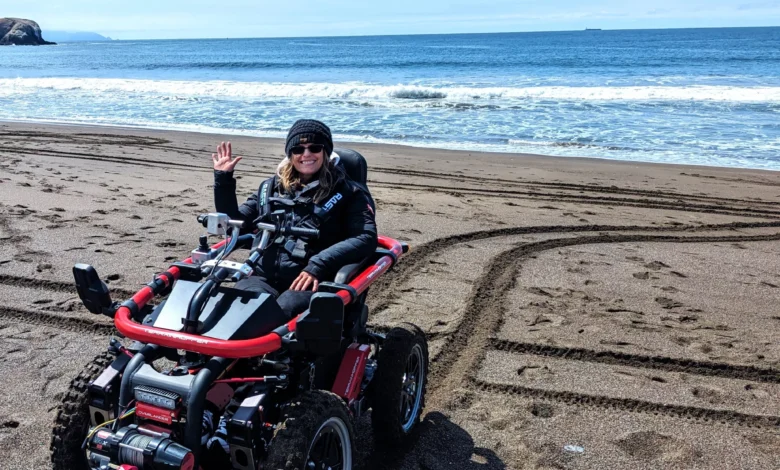
The landscape of American outdoor recreation is undergoing a profound transformation as public land management agencies increasingly prioritize accessibility. For millions of Americans with mobility impairments, the rugged terrain of state and national parks—once considered inaccessible—is becoming navigable thanks to the widespread deployment of all-terrain track chairs. These specialized, battery-powered vehicles, which replace traditional wheels with heavy-duty rubber tracks, allow users to traverse sand, snow, mud, and uneven forest trails with unprecedented stability. As of late 2026, a growing network of state departments of natural resources and non-profit organizations has formalized programs to offer these chairs at no cost to the public, effectively dismantling a significant barrier to nature-based tourism.
The Evolution of Adaptive Outdoor Access
The movement toward inclusive wilderness access began in earnest roughly a decade ago. While various grassroots organizations had experimented with adaptive equipment for years, the modern institutionalized program model traces its origins to 2016, when Colorado’s Staunton State Park launched its pioneering track chair initiative. Prior to this, the onus of outdoor exploration fell almost entirely on the individual, who was often required to purchase expensive, specialized equipment that cost upwards of $15,000 to $20,000.
The shift toward a "lending library" model for mobility devices represents a fundamental change in how state governments interpret the Americans with Disabilities Act (ADA). While the ADA mandates that public facilities be accessible, the rugged nature of "backcountry" trails often provided a loophole for parks to remain inaccessible. By proactively providing track chairs, agencies are redefining the standard of "meaningful access," ensuring that the wilderness experience is not exclusive to those with full physical mobility.
A Chronology of Expanding Access
The growth of these programs has accelerated since 2020. Following the pilot success in Colorado, other states began to adopt similar strategies. Missouri, for example, integrated a comprehensive statewide rollout, offering chairs across six key locations. By 2023, the trend had shifted toward regional consolidation. The Aimee Copeland Foundation’s partnership with Georgia’s Department of Natural Resources served as a catalyst for high-tech, reservation-based systems that now set the gold standard for logistical efficiency.
In 2026, the movement reached a new milestone with the Indiana Department of Natural Resources’ announcement of a massive, state-funded rollout. Backed by a significant grant from the Lilly Endowment, Indiana is deploying approximately 45 electric track chairs, effectively ensuring that nearly every state park in the system will be equipped with specialized mobility gear. This project highlights a shift from isolated, park-specific amenities to a systemic, state-level commitment to universal accessibility.
Regional Program Highlights and Logistical Frameworks
The availability of these chairs varies significantly by state, and potential users are encouraged to consult official portals before planning excursions.
In the Midwest, Minnesota stands out with a robust infrastructure, providing track chairs at more than 13 state parks. The program is designed for ease of access, requiring only a signed waiver at the time of pickup. Similarly, Wisconsin offers a dual-pronged approach: state-managed chairs at iconic locations like Peninsula State Park and a unique non-profit model through Access Ability Wisconsin. The latter provides a innovative solution by lending towable track chairs to the public, allowing users to transport the equipment to their destination of choice, provided they have a vehicle capable of towing the necessary weight.
In the South, the "All-Terrain Georgia" program has become a model for other states. By centralizing reservations and requiring a mandatory virtual training session for companions, the program ensures safety while maximizing equipment utilization. Conversely, states like Kansas have opted for a first-come, first-served model. While this increases spontaneity, it requires users to coordinate closely with regional operations offices to ensure the equipment is available upon arrival.
Technical Specifications and Operational Realities
Understanding the hardware is essential for potential users. Modern track chairs, such as those manufactured by Action Trackchair or specialized mountain trike variations, offer significant advantages over standard wheelchairs. These units are specifically engineered to handle inclines, obstacles, and varied ground conditions.
However, users must be aware of operational constraints:
- Battery Management: Most chairs provide between two and six hours of continuous use. Consequently, many parks limit sessions to two-hour windows to ensure the equipment remains charged for subsequent users.
- Transfer Logistics: In many states, including Missouri and South Dakota, staff are prohibited from assisting with physical transfers from a personal wheelchair into the track chair. Users must be prepared to transfer independently or bring a capable companion.
- Weight Capacities: Standard safety protocols generally cap weight limits at 300 to 350 pounds, depending on the model and the specific park’s insurance requirements.
- Training Requirements: Programs like Georgia’s require a "buddy" system, where a companion must undergo training to ensure the safe operation of the chair on challenging terrain.
The Role of the National Park Service
It is critical to note that the National Park Service (NPS) does not currently operate a centralized, nationwide program. Instead, access to track chairs is determined at the individual unit level. While high-profile locations like Rocky Mountain National Park and Redwoods National and State Parks have invested in these devices, the availability is highly variable. The NPS recommends that visitors use the "Mobility Devices by Park" resource on their official website to verify specific equipment availability before committing to travel plans.
Broader Implications and Future Outlook
The implications of this movement extend far beyond mere recreation. For many individuals, the ability to access deep-woods trails and coastal shorelines provides therapeutic benefits and a sense of autonomy that was previously unattainable. From an economic perspective, these programs are also proving to be smart investments. By opening trails to a wider demographic, state parks are increasing their visitor base and fostering a more inclusive tourism industry.
Furthermore, the integration of digital tools—such as the crowdsourced "Trackchair Finder"—is helping to bridge the information gap. As more states commit to these programs, the standardization of reservation systems and safety protocols will likely continue to improve. Analysts suggest that the next phase of this evolution will involve the standardization of charging stations and improved trail signage specifically marked for adaptive-ready paths.
Essential Pre-Departure Checklist
For those planning to utilize a track chair, the following steps are considered best practice:
- Verify Eligibility: Check whether the specific park requires a disability hang-tag or proof of mobility impairment.
- Confirm Transfer Needs: Determine if you require a sling lift or slide board and verify if the park has one available.
- Check Lead Times: While some parks offer day-of access, many of the most popular locations require reservations weeks, or even months, in advance.
- Assess Trail Suitability: Even with a track chair, not all trails are created equal. Consult with park rangers regarding the specific trail conditions and the chair’s performance limits on that terrain.
- Review Safety Requirements: Ensure you have an appropriate companion if the park requires a "buddy" for safety or equipment operation.
As of August 2026, the momentum behind this accessibility revolution shows no signs of slowing. By removing the financial and physical barriers to entry, public land agencies are not only expanding the reach of the park system but are also reaffirming the principle that the natural wonders of the United States belong to everyone, regardless of their physical ability. While the current network is a patchwork of state and non-profit initiatives, the trend toward universal access is clear, signaling a future where the phrase "the great outdoors" truly includes every citizen.