Advancing Authentic Disability Representation: A Strategic Imperative for Modern Media and Creative Industries

On Wednesday, October 21, 2026, at 2:00 p.m. ET, industry leaders and creative professionals will convene for a pivotal webinar hosted by Disability Belongs, an organization dedicated to fostering inclusivity and systemic change within the creative sector. The event serves as a high-level examination of why authentic disability representation is no longer merely a social goal but a critical catalyst for creative innovation and commercial success. As the entertainment, advertising, sports, and news industries navigate an increasingly fragmented and socially conscious marketplace, the underutilization of disabled talent and the lack of accurate portrayals represent a significant missed opportunity for growth.
The Landscape of Representation in 2026
The urgency of this discussion is underscored by the current demographic reality in the United States. Recent data from the Centers for Disease Control and Prevention (CDC) and various labor bureaus confirm that more than one-in-four American adults identify as living with a disability. Despite this staggering statistic, the media landscape remains disproportionately skewed, often relying on outdated tropes or excluding disabled perspectives entirely from the storytelling process.
The upcoming webinar, titled to reflect the intersection of disability and professional creative practice, aims to bridge the gap between intent and execution. By inviting employers, producers, journalists, and disabled creatives to the same table, the organizers hope to shift the narrative from "diversity as a mandate" to "authenticity as an asset." This shift is particularly relevant in an era where audiences are increasingly savvy, vocal, and willing to vote with their attention spans.
A Chronology of the Disability Representation Movement
To understand the necessity of this webinar, one must look at the timeline of the broader movement for disability inclusion.
In the late 20th century, disability representation was largely confined to "inspiration porn" or tragic archetypes, where characters with disabilities existed primarily to serve the emotional development of non-disabled protagonists. The early 2000s saw the emergence of the "Social Model of Disability," which posits that disability is caused by the way society is organized, rather than by a person’s impairment.
By the mid-2010s, the digital revolution and the rise of social media empowered disabled creators to bypass traditional gatekeepers. Platforms like TikTok and YouTube allowed for the proliferation of "lived experience" content, which began to build a massive, dedicated audience that felt ignored by mainstream networks. The 2020s marked a formalization of this pressure, with major media conglomerates establishing Diversity, Equity, and Inclusion (DEI) offices specifically tasked with auditing content for disability bias.
The October 2026 event arrives as a critical inflection point. As industries like advertising and sports broadcasting seek to maintain relevance with Gen Z and Alpha demographics, they are finding that authenticity is a primary driver of brand loyalty. The webinar is intended to provide the actionable intelligence required to convert these cultural pressures into sustainable business strategies.
Market Data and the Economics of Inclusivity
The economic argument for disability inclusion is supported by extensive market research. The "Purple Pound"—a term used to describe the spending power of disabled people and their households—is estimated to be in the trillions globally. In the United States alone, the disposable income of working-age people with disabilities is substantial, yet marketing and content production strategies often fail to acknowledge this demographic.
Data from the Geena Davis Institute on Gender in Media and other advocacy groups suggest that films and television programs featuring authentic disability representation perform better in critical reviews and audience sentiment analysis. When disabled characters are played by disabled actors, the "authenticity factor" significantly increases engagement. This is not merely about social good; it is about mitigating the risk of cultural backlash. In the age of social media, the cost of "inauthentic" representation—often manifesting as "crip-face" (non-disabled actors playing disabled roles)—is high, frequently leading to viral negative sentiment and loss of brand credibility.
Perspectives from the Industry and Advocacy Spheres
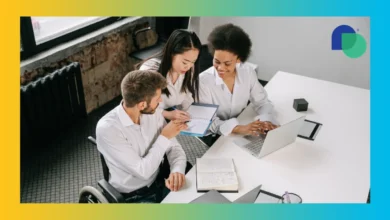
While the webinar speakers represent the leading edge of this movement, industry observers have noted a palpable shift in the corporate response to these issues. Industry analysts point out that the traditional "siloing" of disability within HR departments is ending. Today, the most successful firms are integrating disability expertise into the creative room, the casting office, and the executive suite.

"The conversation has moved from ‘why should we do this?’ to ‘how do we do this effectively?’" noted a consultant familiar with the event planning. "Employers are starting to realize that if you don’t have disabled people in the room when you are developing a product, a script, or a news segment, you are essentially flying blind. You are missing half the audience and half the potential for innovation."
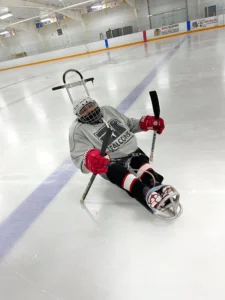
Furthermore, the integration of disability advocacy into news and sports is particularly timely. Sports media, in particular, has seen a surge in interest regarding the Paralympics and adaptive sports, yet the mainstream coverage often lacks the technical nuance that authentic representation requires. By providing professional guidance, the October 21 webinar aims to equip newsrooms and production studios with the vocabulary and operational standards necessary to cover these events with integrity.
Addressing the Talent Pipeline
A recurring theme in the discussion of representation is the perceived lack of talent. However, advocacy groups and the organizers of the Disability Belongs webinar argue that the problem is not a lack of talent, but a lack of access. Systemic barriers—ranging from inaccessible physical sets to non-compliant digital interfaces and exclusionary hiring practices—have kept disabled creatives on the periphery.
The webinar will address the "infrastructure of inclusion." This includes:
- Universal Design in Production: Ensuring that physical and digital sets accommodate a wide range of needs from the outset, rather than as an afterthought.
- Inclusive Casting and Hiring: Implementing recruitment practices that reach disabled talent pools through specialized agencies and networks.
- Authentic Storytelling: Training writers and producers to develop narratives that move beyond disability as a plot device.
Broader Implications and Future Outlook
The implications of this webinar extend far beyond the hour-long session. As the creative industries move toward 2027, the standard for "authentic representation" will likely become a competitive benchmark. Investors and advertisers are beginning to incorporate DEI metrics into their funding decisions, and the legal landscape regarding accessibility in digital content is becoming increasingly stringent.
For the entertainment industry, the potential is vast. By tapping into the creative perspectives of disabled individuals, studios can unlock new genres, nuanced character archetypes, and innovative narrative structures that have been historically ignored. In advertising, the move toward inclusivity allows brands to reach a broader, more diverse audience, fostering deeper connections in a marketplace that is increasingly skeptical of generic messaging.
For news organizations, the imperative is one of accuracy and democratic duty. A newsroom that does not reflect the population it serves cannot adequately report on the issues that affect that population. Authentic representation ensures that news coverage is not only inclusive but also comprehensive, capturing the nuances of policy, health, and social life as they pertain to the disabled community.
Conclusion: A Call to Action
The event on October 21 is a necessary intervention in the status quo. By focusing on both the creative and business dimensions of representation, Disability Belongs is providing a framework for long-term systemic change. Whether the focus is on a high-budget film, a regional advertising campaign, or a breaking news segment, the principles of authenticity and accessibility remain the same.
Interested professionals are encouraged to register for the webinar via the official portal provided by Disability Belongs. As the industry continues to evolve, those who prioritize authentic representation will likely find themselves at the forefront of a more creative, innovative, and commercially viable future. The goal is clear: to move past the era of exclusion and into a period where the disabled experience is not just seen, but understood, valued, and integrated into the very fabric of our shared cultural narrative.
For those in the creative arts, the message is simple: disability is a vital, under-explored component of the human experience. Embracing it is not just the right thing to do; it is the smartest way to ensure that the content produced today resonates with the audiences of tomorrow. The October 21 webinar represents a vital step in this ongoing, essential transformation of the media landscape.