Virgin Atlantic Commits to Comprehensive Autism Awareness Training for Cabin Crew

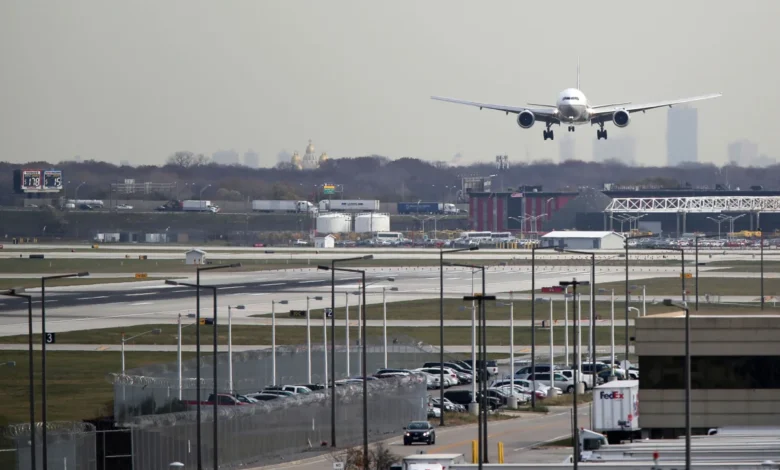
Virgin Atlantic is set to implement comprehensive autism awareness training for all of its cabin crew members, a significant step towards creating a more inclusive and supportive travel experience for individuals on the autism spectrum and their families. This initiative, timed just before the peak summer travel season, underscores a growing industry trend acknowledging the unique needs of neurodivergent passengers. The airline is partnering with Autism Double-Checked, a specialized organization dedicated to making travel more accessible and understanding for the autistic community.
A Proactive Approach to Passenger Comfort
The decision by Virgin Atlantic to integrate autism awareness into its mandatory annual training reflects a broader commitment to passenger well-being and accessibility. The airline recognizes that air travel, with its inherent sensory stimuli, strict schedules, and unfamiliar environments, can present considerable challenges for autistic individuals. By equipping its crew with specialized knowledge and practical skills, Virgin Atlantic aims to mitigate potential stressors and foster a more comfortable and predictable journey for these passengers.
"We know that for autistic customers and their families, flying can be a unique and unfamiliar environment which presents challenges," stated Becky Woodmansee, Chief People Officer at Virgin Atlantic. "By listening to our customers and working with autism travel specialists Autism Double-Checked, alongside our own people who have personal experience of autism, we’ve built a training programme that gives every crew member the understanding and confidence to make a real difference onboard." This statement highlights a customer-centric approach, acknowledging that the airline’s understanding has been shaped by direct feedback from the autistic community and its allies.
The Pillars of the Training Program
The training program developed in collaboration with Autism Double-Checked is designed to be both informative and actionable. It will consist of two core digital learning modules. The first module will provide a foundational understanding of autism, covering its diverse presentation and the spectrum of sensory sensitivities that individuals may experience. This section aims to demystify autism and foster empathy among the crew.
The second module will focus on practical application, equipping crew members with the skills to identify signs of distress or overwhelm in autistic passengers. Crucially, it will also offer guidance on how to adapt communication styles to suit individual needs, recognizing that direct eye contact, loud speech, or rapid questioning can be overwhelming for some. The training will emphasize techniques for offering reassurance, providing clear and concise instructions, and creating a calm environment. This practical focus is vital for enabling crew to respond effectively and sensitively to situations that may arise during a flight.
Alan Day, Founder and CEO of Autism Double-Checked, expressed his enthusiasm for the partnership, stating, "For autistic travellers and their families, knowing that every crew member on a flight has been trained to understand and support their needs is such a positive step in the right direction. We’re proud to have developed this programme with Virgin Atlantic and hope it sets a new standard for the industry." His words underscore the significance of this initiative not just for Virgin Atlantic’s passengers, but potentially as a catalyst for broader industry change.
Extending the Initiative Beyond the Cabin
Virgin Atlantic’s commitment to inclusivity extends beyond the confines of the aircraft cabin. The airline has also announced plans to extend its autism awareness training to customer-facing ground staff within the current year. This holistic approach ensures that the supportive environment begins from the moment a passenger arrives at the airport and continues through to their departure. Ground staff play a critical role in managing passenger flow, providing information, and assisting with boarding, and their understanding of neurodiversity will be instrumental in ensuring a seamless and stress-free experience for autistic travelers from check-in to the gate.
A Growing Trend in Aviation Accessibility
Virgin Atlantic is not an isolated entity in its pursuit of autism-friendly travel. This initiative builds upon a growing awareness within the aviation industry of the need to cater to passengers with diverse needs. In 2022, Breeze Airways publicly committed to implementing autism training for its staff, marking an early adoption of such specialized training in the US market. More recently, Emirates announced that it had successfully trained over 30,000 cabin crew and ground staff in autism awareness. These examples demonstrate a discernible shift towards prioritizing inclusivity and accessibility within the airline sector.
The International Air Transport Association (IATA) has also been active in promoting accessible travel. While specific data on autism-related training across all airlines is not readily available, IATA’s "Accessible Travel Guidelines" provide a framework for airlines to improve services for passengers with disabilities, including those with hidden disabilities. The increasing adoption of specialized training by individual airlines suggests a growing alignment with these broader industry recommendations.
The Impact of Sensory Overload in Air Travel
Air travel presents a unique confluence of sensory challenges that can be particularly difficult for individuals with autism. The constant hum of engines, the bright and often flickering cabin lights, the proximity of strangers, and the unpredictable nature of announcements and boarding procedures can create an environment of sensory overload. For a child or adult with autism, these stimuli can trigger anxiety, distress, and meltdowns, which can, in turn, lead to negative travel experiences for the individual, their family, and potentially other passengers.
Sensory sensitivities vary greatly among autistic individuals. Some may be highly sensitive to sound, others to visual stimuli, and some to touch or smell. The confined space of an airplane cabin can exacerbate these sensitivities. Furthermore, the lack of control over the environment and the disruption of routine can be profoundly unsettling.
The Role of Specialized Training
The training offered by Virgin Atlantic, in partnership with Autism Double-Checked, aims to address these challenges directly. By educating crew on the signs of sensory overload and providing strategies for de-escalation and support, the airline is taking a proactive stance. This includes:
- Recognizing Subtle Cues: Training will help crew identify non-verbal cues that an individual may be struggling, such as repetitive movements, avoidance of eye contact, or increased agitation, even before overt distress manifests.
- Communication Strategies: Crew will learn to use clear, concise language, avoid jargon, and offer choices when possible. This might involve providing information in writing or using visual aids.
- Environmental Adjustments: Where feasible, crew may be trained to make small adjustments to the environment, such as dimming lights in a specific area or offering a quieter seat if available.
- Pre-flight Support: While not explicitly mentioned, a logical extension of this training could involve offering pre-flight information to families about what to expect, potentially reducing anxiety before the journey even begins.
Expert Endorsement and Industry Implications
The collaboration with Autism Double-Checked is a critical component of Virgin Atlantic’s strategy. This organization specializes in helping travel and hospitality businesses become more autism-friendly. Their expertise ensures that the training is evidence-based and practical, drawing on the lived experiences of autistic individuals and their families.
The success of such initiatives can have far-reaching implications for the entire travel industry. As more airlines and travel providers adopt similar training programs, the perception of air travel as an accessible mode of transport for all will grow. This can lead to increased travel opportunities for autistic individuals and their families, contributing to greater social inclusion and economic benefits for the travel sector.
The fact that Virgin Atlantic is incorporating this into its annual training means that it is not a one-off initiative but a sustained commitment. This ensures that new staff are trained from the outset and existing staff receive regular refreshers, maintaining a high standard of awareness and support.
Data and Context: The Growing Recognition of Neurodiversity
The need for such initiatives is supported by a growing understanding of autism’s prevalence. While exact figures vary by country and diagnostic criteria, it is estimated that approximately 1 in 36 children in the United States are identified as having autism spectrum disorder, according to the Centers for Disease Control and Prevention (CDC). This means that a significant proportion of the traveling public may be on the autism spectrum or have family members who are.
Historically, the needs of neurodivergent travelers have been largely overlooked in mainstream travel planning. However, a paradigm shift is occurring, driven by advocacy groups, the increasing visibility of autistic individuals, and a growing recognition of the business case for inclusivity. Airlines that embrace these changes are not only fulfilling a moral imperative but also positioning themselves as leaders in customer service and brand reputation.
Looking Ahead: A Standard of Excellence
Virgin Atlantic’s proactive approach to autism awareness training for its cabin crew signifies a commitment to a more inclusive future for air travel. By investing in the education and empowerment of its staff, the airline is not only enhancing the travel experience for autistic passengers but also setting a benchmark for the broader aviation industry. The comprehensive nature of the training, developed in partnership with leading experts, promises to equip Virgin Atlantic’s crew with the knowledge and confidence to make a tangible difference, transforming what can be a challenging journey into a more comfortable and accessible one for all. This initiative, alongside similar efforts by other airlines, marks a crucial step towards making air travel a truly universal experience.
Related posts: