Understanding the Developmental Significance of Toddler Fixations: Why Repetition is Key to Learning, Security, and Emotional Regulation

The familiar parental plea, "Again!" — a phrase that can evoke a mix of endearment and exasperation. It’s charming when a toddler requests a cherished book or song for a second or third time. However, as these requests escalate into double-digit demands, the initial delight often gives way to a sense of fatigue, overstimulation, and even concern. Parents frequently ponder the normality of such intense fixations in their young children. The consensus among child development experts is clear: repetitive behavior is not only normal but also a fundamental aspect of toddler development, serving as a crucial mechanism for learning and making sense of the complex world around them.
Dr. Virginia Menche, a board-certified pediatrician with Norton Children’s Medical Group, underscores this point, stating, "Repetition is very, very common in toddler development. It can seem exhausting for adults. But it’s developmentally normal, and part of the process of how kids learn and make sense of the world around them." While the reassurance of "developmentally normal" is comforting, it often isn’t enough to sustain parents through hours of identical play or repeated requests. To navigate these common toddler obsessions effectively, without succumbing to frustration, triggering a meltdown, or inadvertently hindering a child’s learning process, it is invaluable to understand the underlying psychological and neurological reasons behind these behaviors and the expert-recommended strategies for managing them.
The Foundation of Repetition: Cognitive and Emotional Pillars
The inclination for toddlers to request the same book, television show, song, game, or even food repeatedly is often misinterpreted as a simple strong preference. In reality, this behavior is deeply rooted in the intricate workings of their developing brains. Repetition and routine provide multifaceted benefits for toddlers, serving as vital tools for cognitive growth, emotional regulation, and establishing a sense of security.
Learning Through Reinforcement
One of the primary functions of repetition in early childhood is its role in facilitating learning. Kathryn L. Keough, a psychologist in the Anxiety Disorders Center and director of the Selective Mutism Service at the Child Mind Institute, explains, "Repetition is one of the main ways young children learn. Every time they hear the same song, read the same book or play the same game again, they’re strengthening the brain connections that support language, memory, motor skills and problem-solving."
During toddlerhood, the brain undergoes rapid development, forming billions of neural connections. Each repeated exposure to an experience—be it a word, a movement, or a sequence of events—reinforces these neural pathways, making them stronger and more efficient. This process is analogous to carving a path through a dense forest; the more times the path is trodden, the clearer and easier it becomes to navigate. For a toddler, this means:
- Language Acquisition: Hearing the same words and phrases in familiar contexts (like a storybook) helps them to map sounds to meanings, build vocabulary, and understand grammatical structures. They predict upcoming words, fill in gaps, and internalize linguistic patterns.
- Memory Development: Repetition aids in the consolidation of both short-term and long-term memory. Familiar narratives and sequences allow toddlers to practice recalling information, strengthening their memory muscles.
- Motor Skills: Repeated physical actions in games or tasks refine gross and fine motor skills. Whether it’s stacking the same blocks, turning pages of a book, or mimicking movements in a song, practice leads to mastery and coordination.
- Problem-Solving: When a toddler repeats a game, they are not merely going through the motions; they are experimenting with cause and effect, testing hypotheses, and refining their understanding of how things work. Each iteration offers a chance to notice new details, understand relationships, and build more complex schemas. This aligns with cognitive theories, such as Piaget’s concept of assimilation and accommodation, where children integrate new information into existing mental frameworks and adjust those frameworks as needed.
Emotional Regulation and Predictability
Beyond cognitive benefits, repetition plays a critical role in supporting toddlers’ emotional well-being. Dr. Menche highlights that "Repetition gives [toddlers] predictability and emotional regulation. They are developing a sense of independence and autonomy, and they’re constantly being exposed to new information and new emotions. So repetition for them creates a safe and predictable framework that they can manage the cognitive and emotional demands of the world around."
Toddlerhood is a period of immense change and discovery. Every day presents new sights, sounds, sensations, and social interactions. This constant influx of novel information can be overwhelming for a young brain still learning to process and categorize experiences. Predictable routines and familiar activities act as anchors in this sea of novelty. They provide a sense of stability, reducing anxiety and allowing the child’s developing emotional regulation systems to function more effectively. Knowing what to expect fosters a sense of control, which is particularly empowering for toddlers who are simultaneously striving for independence while still largely dependent on caregivers. This predictability aligns with attachment theory, where a secure base provided by consistent caregiving allows a child to confidently explore their environment.
Mastery Over Novelty: The Toddler’s Drive
Keough further elaborates on the intrinsic drive behind repetitive behaviors: "The world is full of new experiences, and knowing what comes next allows [children] to focus on practicing new skills rather than figuring out what’s happening. My favorite way to explain it is this: adults often seek novelty, but toddlers seek mastery. They repeat experiences because each time they notice something new, gain confidence and become a little more independent."
This distinction between seeking novelty and seeking mastery is crucial. While adults often crave new experiences to stimulate their minds, toddlers are driven by a profound desire to understand and control their immediate environment. Repeating an activity allows them to:
- Gain Confidence: Each successful repetition builds self-efficacy. They learn they can achieve a desired outcome, which fuels their confidence to try new, related challenges.
- Achieve Independence: Mastery of a skill or understanding of a concept contributes to a growing sense of autonomy. They no longer need as much guidance or explanation, fostering a greater sense of self-reliance.
- Focus on Nuances: Once the basic structure of an activity is understood, repetition frees up cognitive resources to notice subtle details—a new sound in a song, a background character in a book, or a different texture in a food. This deepens their understanding and appreciation of the experience.
Special Considerations: Food-Related Fixations
Food-related fixations, such as consistently requesting the same meals, share some commonalities with other repetitive behaviors, particularly the drive for control. However, licensed child psychologist Ashley Boyer points out a nuanced difference: "food fixations are more about seeking comfort and safety rather than directly learning about cause-and-effect. For example, when toddlers know what to expect from a certain food (e.g., how it tastes, smells, feels and looks), they feel safe."
This strong link to comfort and safety is understandable given the sensory intensity of food. Toddlers’ senses are still developing, making them potentially more sensitive to unfamiliar tastes, textures, or smells. This phenomenon, often termed "neophobia" (fear of new foods), is incredibly common in early childhood, typically peaking between ages 2 and 6. The familiarity of a "safe" food provides a sensory anchor in a world that can often feel unpredictable. For a child, knowing that a particular food will taste, smell, and feel exactly the same every time can be profoundly reassuring, especially during mealtimes which can sometimes be a source of pressure or anxiety.
Dr. Menche adds that sensory factors are indeed significant. A toddler’s developing palate and sensory processing systems can make them highly attuned, and sometimes averse, to subtle differences in food properties. This reinforces their preference for a select few known meals, where the sensory experience is entirely predictable and non-threatening. For parents, understanding this is key to gently expanding their child’s diet without creating unnecessary battles.
The Developmental Trajectory: When to Expect and How Long
Toddler obsessions are unequivocally normal and, as established, healthy. These repetitive behaviors typically begin to manifest between 18 months and 2 years of age, often intensifying around ages 2 to 4, though they can certainly start earlier or persist slightly longer. This age range aligns with significant cognitive leaps, including the explosion of language and the development of symbolic thought.
Common areas for toddler fixations include:
- Stories: The same bedtime story, night after night, word for word.
- Songs or TV Shows: Insistent requests for a specific song or episode, played on a loop. Dr. Menche shares a relatable anecdote about her own children, aged 2 and 4, and their unwavering devotion to "Let It Go" from Frozen, confessing to having heard it "probably no less than 100 times this week."
- Games: Playing a particular game in a precise, unvarying manner.
- Words or Phrases: Repeating favorite words or developing unique phrases that become part of their daily lexicon.
- Specific Interests: Deep dives into topics like dinosaurs, princesses, construction vehicles, or particular cartoon characters. Lauren, a mother of two in Hudson Valley, New York, recounted her older child’s evolving obsession with trucks since age 1. This interest eventually narrowed to fire trucks, then farm trucks, and ultimately, a specific news story about a local farm fire, prompting him to request news articles about it.
- Comfort Meals or Food Rituals: Demanding the same breakfast cereal or insisting on a specific cup for drinks.
In isolation, these repetitive behaviors within the 2-to-4-year age bracket are rarely a cause for concern. They are hallmarks of typical development. However, if these behaviors are accompanied by other developmental red flags, it may warrant a discussion with a pediatrician for potential further evaluation.

Identifying Red Flags: When to Seek Professional Guidance
While toddler fixations are generally healthy, there are instances where repetitive behaviors, particularly when coupled with other symptoms, might signal a need for professional consultation. Parents should observe their child’s overall development and consider speaking with their pediatrician if they notice any of the following patterns in conjunction with intense fixations:
- Lack of Reciprocal Social Interaction: The child shows little interest in engaging with others, initiating play, or responding to social cues. Their repetitive play is often solitary and difficult to join.
- Significant Regression in Skills: A noticeable loss of previously acquired language, motor, or social skills.
- Repetitive Behaviors That Are Inflexible and Impair Functioning: The child’s need for repetition is so rigid that it interferes with daily activities, transitions, or learning new things. For example, extreme distress or meltdowns every time a routine is slightly altered, or if they cannot engage in their preferred repetitive activity.
- Limited or No Imaginative Play: A lack of pretend play, creativity, or the ability to use objects symbolically.
- Unusual Sensory Sensitivities or Seeking: Extreme reactions to sounds, textures, lights, or smells, or an intense, unusual need to seek out specific sensory input (e.g., constantly spinning objects, flapping hands, repetitive body movements) that significantly impacts their ability to engage with the world.
- Absence of Other Developmental Milestones: The child is not meeting age-appropriate milestones in other areas, such as language development, gross motor skills, or social-emotional growth.
- Repetitive, Self-Stimulatory Behaviors (Stimming) That Are Pervasive: While some stimming can be normal, if it’s constant, interferes with attention, or seems to be the child’s primary mode of engagement, it’s worth noting.
- Intense Distress During Transitions: While all toddlers struggle with transitions, an extreme, prolonged, and inconsolable reaction to moving from one activity to another, especially if tied to their fixations, could be a flag.
It is crucial to emphasize that a single one of these points in isolation is usually not a concern. It is the combination and pervasiveness of these symptoms that warrant a conversation with a healthcare professional, who can assess the child’s overall developmental profile. Early intervention, if needed, can be highly beneficial.
Leveraging Fixations: The Benefits of "Leaning In"
For parents grappling with the relentless "again!" requests, the idea of leaning into these fixations might seem counterintuitive, or even exhausting. However, experts advocate for this approach, viewing it as a powerful strategy for maximizing a child’s learning and development.
Kelly S., a mother of a 2-year-old and a 5-year-old, provides a compelling example. Her older child’s intense fascination with the movie Cars prompted her to fully embrace his interest. "I’ll admit I even booked a trip to Disneyland to take my little guy to see the real Radiator Springs, and it was so worth it," she recounts. "The joy and wonder he experienced was unparalleled." Even now, she creatively integrates Cars-themed writing exercises, easy reader books, and social stories to support her eldest in learning to read and write.
This approach is strongly endorsed by child development specialists. Dr. Menche likens repetition to a "study" method for the toddler brain. "Repetition helps them master things and learn things so that they form those new connections, and then, they can gain confidence," she explains. "Each time they sing the song or watch the show or read the book, they’re making a new connection." Allowing children to rewatch beloved movies, reread favorite books, or replay specific songs provides them with the essential space and opportunity to forge these critical neural connections.
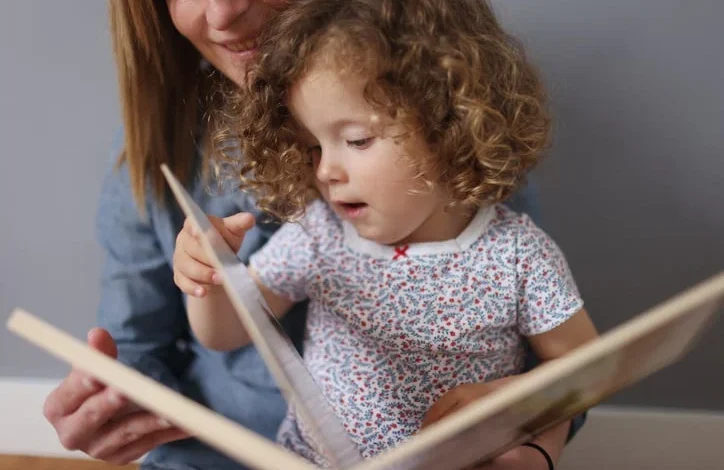
Keough concurs, emphasizing the value of following a toddler’s lead. "If they want to read the same book for the tenth time, it’s because they’re still learning from it," she states. To amplify this learning, she advises parents to actively participate. "You can make the repetition even more meaningful by joining in. Pause to let your child fill in familiar words, ask simple questions about the pictures or encourage them to act out parts of the story. Through this, they’re not just memorizing, but also building language, confidence and comprehension." This active engagement transforms passive consumption into interactive learning, deepening the child’s understanding and skill development.
This perspective can also be a source of profound relief for parents and caregivers who often feel pressured to constantly invent novel activities and create "core memories." Keough offers a reassuring reminder: "You don’t have to entertain toddlers with constant novelty. Repetition is often exactly what their developing brain is looking for." Embracing this truth can reduce parental stress and allow for more joyful, less pressured interactions.
Navigating Transitions: Gentle Strategies for Parents
Despite the many benefits of embracing toddler fixations, there will inevitably be moments when parents need to gently redirect their child. Whether it’s the fifth reading of "The Little Blue Truck" in an hour or the need to leave the house, parental limits are valid. Keough reassures parents, "It’s OK if parents have limits. You don’t have to play the same song 37 times in a row to support your child’s development." While meltdowns can occasionally occur, several strategies can help facilitate smoother transitions without triggering significant distress or interrupting the child’s learning process.
Build a "Bridge"
Whenever possible, rather than imposing an abrupt stop, Keough suggests using the toddler’s current interest as a "bridge" to a new activity. This maintains a sense of familiarity while subtly expanding their horizons. For example:
- Instead of "No more songs," try, "Let’s listen to this song one more time, and then, we’ll try another song by the same singer."
- Instead of "Put that book away," try, "After we read this book, let’s pick another one about dinosaurs."
This strategy acknowledges their preference while introducing a gentle shift, teaching flexibility and the concept of "next."
Create a Predictable Transition Routine
Toddlers thrive on predictability. Establishing consistent transition routines can significantly ease the shift from one activity to another. Keough recommends using clear cues:
- Verbal Countdown: "One more time, then we’re all done," or "Two more minutes until we clean up."
- Visual Timers: Using a sand timer or a visual countdown app on a phone can provide a concrete, objective cue for younger children who don’t yet grasp abstract time concepts. This allows them to anticipate the change and prepare emotionally.
- Transition Songs or Phrases: A short, catchy song or a consistent phrase used before every transition can signal the upcoming change.
These routines reduce the element of surprise, giving the child a sense of control over what’s happening and allowing them to mentally prepare for the shift.
Offer Options
When it’s time to conclude a favorite activity, offering a limited choice of what comes next can empower toddlers and minimize resistance. This strategy leverages their burgeoning desire for autonomy. Instead of saying, "We’re done with this game, now we’re doing something else," try:
- "We’re all done with this game, but would you like to play Magnatiles or Ice Cream Shop next?"
- "You finished your snack. Would you like to play with your train set or read a book?"
"Offering two acceptable choices allows toddlers to practice flexibility without feeling like their favorite activity disappeared unexpectedly," Keough explains. It provides them with a sense of agency within a structured framework, making the transition feel less like a command and more like a collaborative decision.
Broader Impact and Implications
The journey through toddlerhood, with its myriad "again!" requests, is a testament to the remarkable period of growth and development that defines these early years. Far from being mere quirks, repetitive behaviors are fundamental mechanisms through which young children build their cognitive frameworks, regulate their emotions, and establish a sense of security and mastery in a constantly evolving world.
For parents and caregivers, understanding this developmental imperative is crucial. It transforms moments of potential frustration into opportunities for connection and guided learning. By "leaning in" to these fixations, engaging actively, and offering supportive, predictable transitions, adults can foster not only the immediate learning benefits but also long-term adaptability and emotional resilience in their children. The goal is not to eliminate repetition, but rather, as Keough eloquently puts it, "to gradually help children learn that familiar things are wonderful, and new things can be enjoyable too." This balanced approach nurtures a child’s inherent drive for mastery while gently cultivating an openness to novelty, laying a robust foundation for a lifetime of learning and exploration.