Navigating the Ethical and Legal Frontiers of Artificial Intelligence in Modern Healthcare

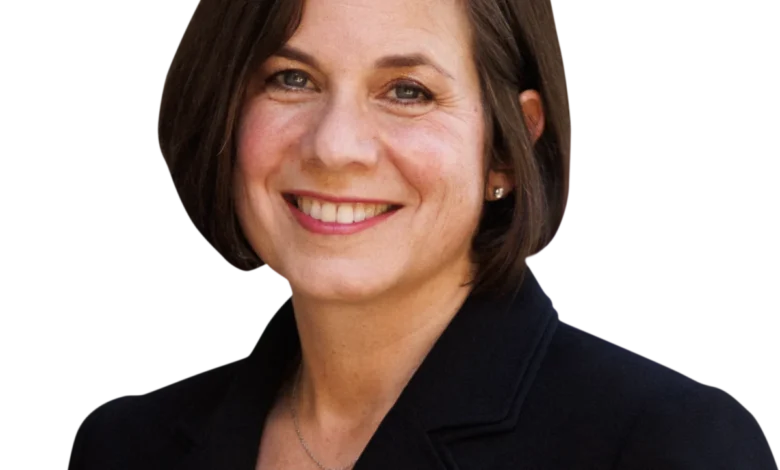
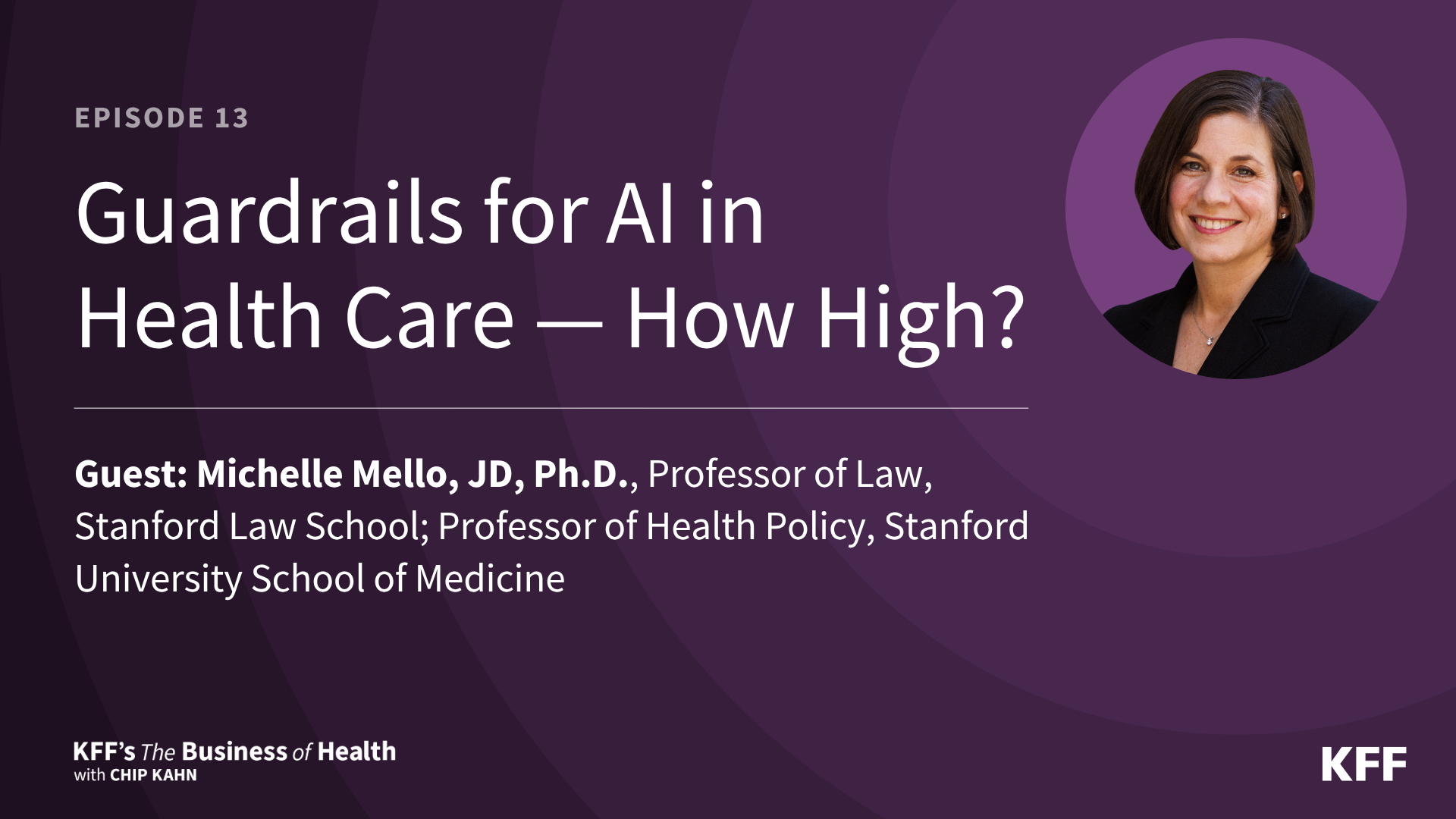
The rapid integration of artificial intelligence into the clinical and administrative workflows of the United States healthcare system has reached a critical inflection point, prompting urgent questions regarding oversight, liability, and the preservation of ethical standards. In a landmark discussion hosted on July 21, 2026, for the podcast series The Business of Health, host Chip Kahn and Stanford University Professor Dr. Michelle Mello examined the complex regulatory landscape emerging alongside these technological advancements. As AI transitions from a speculative tool to a foundational element of medical practice, the dialogue emphasized that the "rules of the road" are currently being written in real-time by a patchwork of federal agencies, academic institutions, and legal precedents.
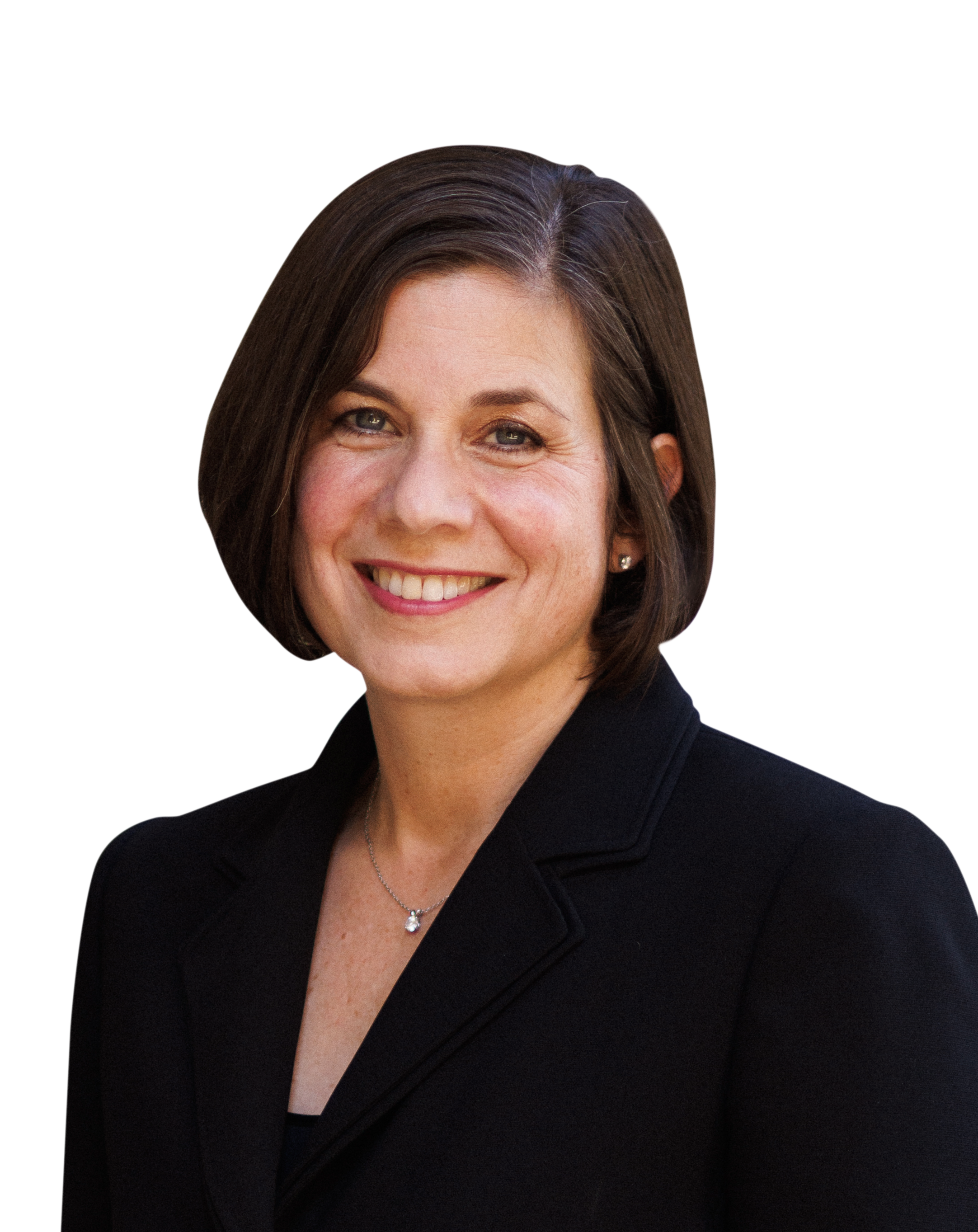
The conversation, which serves as the 13th installment of a dedicated series on AI in health, arrives at a time when the healthcare industry is grappling with the dual pressures of technological innovation and patient safety. Dr. Mello, who holds dual appointments at Stanford Law School and the Stanford University School of Medicine, brings a unique interdisciplinary perspective to these challenges. As the co-leader of the Healthcare Ethical Assessment Lab for AI (HEAL-AI), she is at the forefront of developing frameworks that ensure technology "gets it right" before it reaches the bedside.
The Evolution of AI Integration in Clinical Settings
The journey of AI in medicine has moved swiftly from simple administrative automation to sophisticated clinical decision support systems. In the early 2020s, AI applications were primarily limited to "back-office" functions, such as revenue cycle management and patient scheduling. However, by 2026, the scope has expanded to include predictive analytics for patient deterioration, automated radiological interpretations, and personalized treatment protocols driven by large language models (LLMs).
This evolution has created a "regulatory lag," where the speed of software development outpaces the ability of traditional oversight bodies to issue guidance. Dr. Mello noted that while the Food and Drug Administration (FDA) has historically regulated medical devices, the adaptive nature of modern AI—which can learn and change after deployment—presents a fundamental challenge to the agency’s static approval processes. The transition from "locked" algorithms to "adaptive" ones requires a paradigm shift in how safety is monitored throughout the lifecycle of a product.
The Regulatory Framework: Who Makes the Rules?
In the current landscape, the responsibility for regulating AI in healthcare is fragmented. The federal government has made strides through executive orders and agency-specific guidance, but a comprehensive legislative framework remains elusive. Key players in this regulatory ecosystem include:
- The Food and Drug Administration (FDA): Focuses on the safety and efficacy of AI-enabled medical devices. The agency has increasingly moved toward a "Total Product Lifecycle" approach, emphasizing post-market surveillance.
- The Office of the National Coordinator for Health Information Technology (ONC): Manages the transparency and interoperability of health IT, ensuring that AI tools can communicate across different hospital systems without compromising data integrity.
- State Legislatures: Several states have begun introducing "algorithmic transparency" bills, requiring healthcare providers to disclose when AI is used in making significant clinical or insurance-coverage decisions.
- Institutional Review Boards (IRBs) and Internal Ethics Committees: Organizations like Stanford’s HEAL-AI serve as the first line of defense, conducting rigorous ethical audits of tools before they are integrated into hospital operations.
Dr. Mello emphasized that because federal law often moves slowly, private institutions are currently acting as the primary "gatekeepers." This decentralized approach, while allowing for localized innovation, risks creating a "zip code" effect where the safety and fairness of medical AI depend largely on the resources and ethics of the specific hospital system a patient visits.
Accountability and the Question of Liability
Perhaps the most contentious issue discussed by Kahn and Mello is the question of liability: who is responsible when an AI system fails? In traditional medical practice, the "learned intermediary" doctrine generally places the burden of responsibility on the physician. However, as AI systems become more autonomous, the line between a doctor’s judgment and a machine’s recommendation becomes blurred.
Legal experts are currently debating two primary pathways for litigation:
- Medical Malpractice: This remains the standard for human error. If a doctor ignores an AI warning or follows a clearly flawed AI recommendation, the physician remains the primary target of litigation.
- Product Liability: This path targets the developers of the AI. If the algorithm itself is found to be "defectively designed" or trained on biased data that led to a patient injury, the software company could be held strictly liable.
Dr. Mello pointed out that the "black box" nature of many deep-learning models complicates these legal proceedings. If neither the doctor nor the developer can fully explain why an AI reached a specific conclusion, proving negligence or a design flaw becomes an uphill battle for plaintiffs. This transparency gap is one of the primary drivers behind the push for "explainable AI" (XAI) in the medical field.
Addressing Algorithmic Bias and Health Equity
A significant portion of the HEAL-AI mission involves identifying and mitigating bias. Supporting data from recent years indicates that AI models trained on historically biased datasets can inadvertently exacerbate healthcare disparities. For example, algorithms used to predict the need for intensive care management have, in some instances, assigned lower risk scores to minority patients with the same clinical profiles as white patients, simply because the training data reflected historical patterns of under-treatment in those communities.
The ethical assessment process at Stanford involves "stress-testing" AI tools across diverse demographic cohorts to ensure that performance remains consistent regardless of race, gender, or socioeconomic status. Dr. Mello argued that equity cannot be an afterthought; it must be "baked into" the development phase of the technology.
Supporting Data and Economic Implications
The business of health, as explored by Kahn, is also deeply tied to the economic efficiencies promised by AI. Market analysis suggests that AI-driven administrative efficiencies could save the U.S. healthcare system up to $150 billion annually by 2027. However, these savings must be weighed against the high cost of implementation and the potential for "automation bias," where staff become overly reliant on technology, leading to a degradation of manual clinical skills.
Current investment trends show a massive influx of capital into generative AI for healthcare. In 2025 alone, venture capital funding for health-AI startups exceeded $20 billion. This financial momentum underscores the urgency of establishing ethical guardrails; without them, the drive for profitability may supersede the commitment to patient welfare.
Official Responses and Industry Reactions
In response to the growing influence of AI, major medical associations have begun issuing formal policy statements. The American Medical Association (AMA) has called for "augmented intelligence" rather than "artificial intelligence," emphasizing that the technology should support, not replace, the human physician. Similarly, the American Hospital Association (AHA) has advocated for federal "safe harbor" provisions that would protect hospitals from certain liabilities as they pilot new AI technologies in good faith.
Dr. Mello’s work with HEAL-AI is seen by many in the industry as a blueprint for institutional self-regulation. By creating a formalized process for ethical review, Stanford is setting a standard that other academic medical centers are now beginning to emulate.
Analysis of Broader Impacts and the Path Forward
As the conversation between Chip Kahn and Dr. Michelle Mello concluded, the overarching theme was one of cautious optimism tempered by a demand for rigorous oversight. The "Business of Health" is no longer just about the delivery of care and the management of costs; it is now about the management of information and the ethics of automation.
The implications of this shift are profound. For patients, the integration of AI could mean faster diagnoses and more personalized treatments. For providers, it could mean a reduction in the administrative "burnout" that has plagued the profession for decades. However, for the legal system and for society at large, it necessitates a fundamental re-evaluation of what it means to be a "caregiver."
The timeline for the next five years is expected to be dominated by the following milestones:
- 2027: Expected passage of a federal AI Safety Act specifically targeting high-risk sectors like healthcare.
- 2028: The first major "landmark" supreme court or appellate cases involving AI-driven medical errors, which will set the precedent for liability for decades to come.
- 2029: Full integration of AI into medical school curricula, shifting the focus from rote memorization to the management of AI-augmented workflows.
In the final analysis, the work of Dr. Mello and the insights shared on Chip Kahn’s platform highlight a critical truth: while the technology of AI is artificial, its consequences are deeply human. Ensuring that these tools serve the public good requires a collaborative effort between the lawyers who write the rules, the doctors who use the tools, and the technologists who build them. As Dr. Mello noted, the goal is not just to innovate, but to innovate with "moral clarity."
Related posts: