Netflix Expands Accessibility with American Sign Language Interpretation for Hundreds of Titles

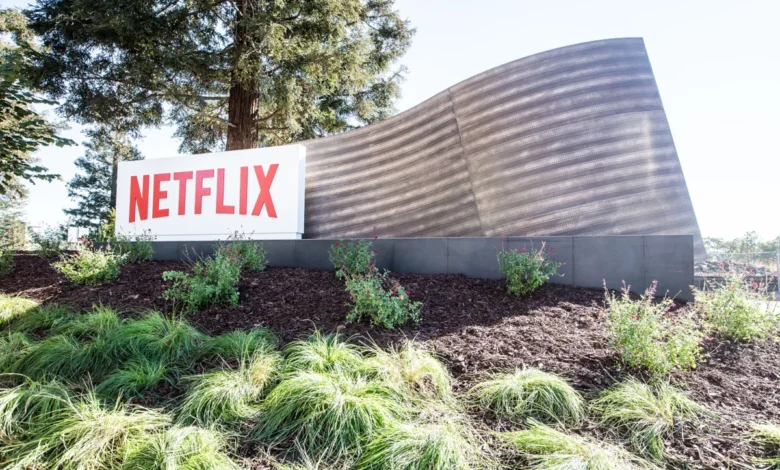
Netflix is taking a significant stride in its commitment to inclusivity by introducing American Sign Language (ASL) interpretation overlays for a substantial collection of its programming, particularly focusing on content for children and families. This groundbreaking initiative aims to make hundreds of hours of entertainment more accessible to the Deaf and hard-of-hearing community, providing a richer and more engaging viewing experience.
A Milestone in Digital Accessibility
The streaming giant announced this week that it will roll out ASL interpretation for 73 titles, encompassing a diverse range of beloved television shows and movies. This expansion is a direct response to the growing demand for accessible digital content and represents a pivotal moment in the evolution of media accessibility. The collection includes popular titles such as "The Magic School Bus Rides Again," "Pokémon Horizons," and the critically acclaimed "Pinocchio," ensuring that young viewers and their families can now engage with these stories in their primary language.
The introduction of ASL overlays signifies a broader understanding within the entertainment industry that accessibility is not merely an add-on but a fundamental aspect of storytelling. For Deaf children who are still developing their literacy skills, ASL interpretation offers a direct and immediate pathway to understanding and enjoying on-screen narratives, reducing their reliance on parents or caregivers to interpret captions.
Netflix’s Vision for Inclusive Storytelling
Elisa Beniero, Senior Manager of Strategy and Innovation at Netflix, emphasized the company’s core belief that "great storytelling should be accessible to everyone." She stated, "This partnership is a meaningful continuation of that commitment. With ASL now joining subtitles, Subtitles for the Deaf and Hard of Hearing (SDH), dubbing, and Audio Description (AD) as another way members can enjoy our content, we’re ensuring our Deaf and hard-of-hearing members have more ways to experience the stories they love."
This sentiment underscores Netflix’s proactive approach to embedding accessibility into its content strategy. By diversifying the accessibility features available, Netflix is not only catering to existing needs but also anticipating future demands in the evolving landscape of digital media consumption. The inclusion of ASL alongside traditional accessibility features acknowledges the unique linguistic and cultural needs of the Deaf community.
The Power of Partnership: SignUp Media’s Role
The implementation of this ambitious ASL initiative was made possible through a strategic collaboration with SignUp Media, a pioneering organization dedicated to providing high-quality sign language interpretation for the entertainment industry. SignUp Media’s expertise has been instrumental in curating and producing these ASL overlays, ensuring authenticity and cultural relevance.
Mariella Satow, the visionary founder of SignUp Media, expressed the profound significance of this partnership. "When I started SignUp Media, I believed the Deaf community deserved access to entertainment in their language at the same scale everyone else takes for granted," Satow remarked. "Partnering with Netflix to deliver 200 hours of kids and family content is that vision made real, and it’s just the beginning. Hollywood is starting to understand that sign language isn’t an accommodation; it’s a language, and we’re building the infrastructure to deliver it."
Satow’s words highlight a critical shift in perception, moving ASL from being viewed as a mere accessibility feature to being recognized as a fully-fledged language deserving of equal prominence and accessibility. This perspective is crucial for fostering true inclusion and ensuring that content is not just understandable but also culturally resonant for ASL users.
A Timeline of Growing Accessibility
Netflix’s journey towards enhanced accessibility has been a gradual but consistent one. The streaming service has progressively introduced and refined various accessibility features over the years.
- Early 2010s: Netflix began offering closed captions and descriptive audio tracks for a growing number of titles, laying the groundwork for more advanced accessibility features.
- Mid-2010s: The platform expanded its library of Subtitles for the Deaf and Hard of Hearing (SDH), which are often more comprehensive than standard closed captions.
- Late 2010s: Netflix started experimenting with more innovative accessibility solutions, including user-adjustable caption styles and improved audio description quality.
- 2020 onwards: A significant acceleration in accessibility initiatives, driven by increased awareness and advocacy. This period saw Netflix invest more heavily in diverse accessibility features and partnerships. The current ASL overlay initiative represents a major culmination of these efforts, particularly for the Deaf community.
The partnership with SignUp Media is not entirely new to the streaming landscape. SignUp Media has also lent its expertise to other major platforms, providing ASL interpretation for select titles on Disney+, Peacock, and YouTube. This demonstrates a growing trend across the industry to embrace ASL as a critical component of content accessibility.
Supporting Data and the Impact on Young Viewers
The decision to prioritize children’s and family programming for this ASL rollout is particularly impactful. Research indicates that early exposure to language is crucial for cognitive development. For Deaf children, ASL can serve as their primary language, facilitating early language acquisition and cognitive growth.
According to the National Association of the Deaf, approximately two-thirds of Deaf children in the United States come from hearing families who do not know sign language. This can create a communication barrier and delay language development. By providing ASL interpretation directly within the viewing experience, Netflix is empowering these children to access stories independently, fostering their language skills and fostering a sense of belonging.
The availability of ASL interpretation in educational and entertainment content also contributes to the cultural preservation and promotion of ASL. As more content becomes available in ASL, it reinforces the language’s vitality and encourages its use within families and communities.
Broader Implications for the Entertainment Industry
The Netflix ASL initiative is poised to have a ripple effect across the broader entertainment industry. It sets a new benchmark for accessibility and may inspire other streaming services, production companies, and content creators to invest in similar solutions.
Key implications include:
- Increased Demand for ASL Talent: The growing need for ASL interpretation in media will likely lead to increased demand for qualified ASL performers and interpreters, creating new career opportunities within the entertainment sector.
- Standardization of ASL Accessibility: As more platforms adopt ASL overlays, there may be a push towards standardizing the quality and presentation of these interpretations, ensuring a consistent and high-quality experience for viewers.
- Enhanced Storytelling Potential: ASL itself is a rich and expressive language. Incorporating ASL interpretation can potentially unlock new dimensions of storytelling, allowing creators to explore visual narratives in innovative ways.
- Greater Market Reach: By making content accessible to a wider audience, including the Deaf community, platforms can expand their subscriber base and tap into a previously underserved market.
Accessing the ASL Interpretation
Viewers interested in accessing the ASL interpretation overlays can do so through the SignUp Chrome extension. This user-friendly tool allows Netflix users to seamlessly integrate ASL interpretations into their viewing experience. The extension’s availability on a popular web browser further enhances the ease of access for a significant portion of Netflix’s user base.
A Continuing Commitment to Inclusion
Netflix’s move to integrate ASL interpretation is more than just an addition of a new feature; it is a testament to their evolving understanding of accessibility and their commitment to fostering a more inclusive digital environment. As technology advances and societal awareness grows, the demand for diverse and accessible content will only increase. Initiatives like this by Netflix are crucial in shaping the future of entertainment, ensuring that stories can be enjoyed by everyone, regardless of their abilities. The partnership with SignUp Media exemplifies how collaboration can drive meaningful change and bring about a more equitable and engaging media landscape for all. This step forward is not merely about compliance but about embracing the richness and diversity of human experience through the power of accessible storytelling.
Related posts: