
The Intersection of Sleep Science and Public Policy Why Biological Necessity is Often Overlooked in Professional Sports and National Legislation

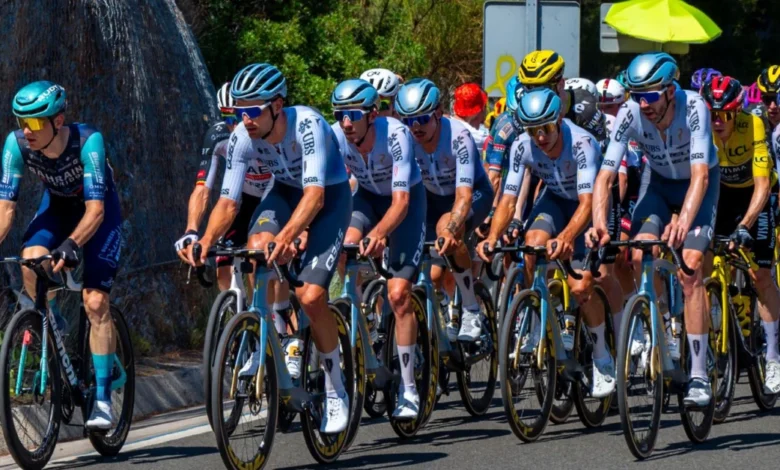
The intersection of biological necessity and administrative policy has emerged as a critical focal point for sleep scientists and public health advocates. While sleep is frequently categorized as a matter of personal discipline or individual lifestyle choice, a growing body of evidence suggests that systemic policies—ranging from international sporting regulations to national timekeeping legislation—frequently disregard the fundamental requirements of the human circadian rhythm. This disconnect was recently highlighted by a high-profile incident involving two-time Tour de France champion Jonas Vingegaard, whose experience has reignited a global conversation on how institutional mandates can compromise physical safety and cognitive performance.
The Vingegaard Incident: A Conflict Between Regulation and Recovery
During the grueling weeks of the Tour de France, recovery is considered the primary determinant of success and safety. For elite cyclists, sleep is the most potent recovery tool available, facilitating muscle repair, hormonal balance, and cognitive restoration. However, during the most recent iteration of the race, this biological imperative clashed with the protocols of the International Testing Agency (ITA).
Hours before the start of Stage 15, a critical mountain leg of the race, Jonas Vingegaard was awakened at 2:00 a.m. by ITA officials for a random anti-doping test. The procedure, which required the athlete to wake up, leave his bed, and provide biological samples, lasted approximately 40 minutes. Vingegaard later reported that the disruption made it significantly difficult to return to a restorative state of sleep.
Later that same day, during the heat of competition, Vingegaard was involved in a high-speed crash that resulted in a fractured collarbone and his subsequent withdrawal from the race. While it is impossible to definitively attribute the crash to a single factor, sleep scientists argue that the timing of the anti-doping intervention cannot be ignored as a contributing variable. In a sport where descents can reach speeds of 100 kilometers per hour and tactical decisions must be made in milliseconds, any impairment to reaction time or motor coordination carries potentially catastrophic consequences.
The Cognitive and Physiological Toll of Sleep Disruption
The scientific consensus on sleep deprivation is clear: the human brain does not function at full capacity when its rest cycles are interrupted. According to research published in Sports Medicine, even a single night of partial sleep deprivation can lead to significant declines in both physical and cognitive performance. For an athlete like Vingegaard, the 2:00 a.m. awakening did more than just shorten his sleep duration; it fragmented his sleep architecture during a period typically dominated by Rapid Eye Movement (REM) sleep, which is essential for cognitive processing and emotional regulation.
Data from the American Academy of Sleep Medicine (AASM) indicates that sleep loss leads to:
- Slower Reaction Times: A person who has been awake for 17 to 19 hours performs similarly to someone with a blood alcohol concentration (BAC) of 0.05%.
- Attentional Lapses: The brain experiences "micro-sleeps," brief periods where the individual is unresponsive to external stimuli.
- Impaired Judgment: The prefrontal cortex, responsible for executive function and risk assessment, is particularly sensitive to sleep loss.
- Reduced Motor Coordination: Sleep deprivation disrupts the communication between the brain and the musculoskeletal system, increasing the likelihood of technical errors.
In the context of the Tour de France, these impairments translate to a reduced ability to navigate tight corners, anticipate the movements of other riders, or maintain the intense focus required for hours of high-output exertion.
Anti-Doping Policy vs. Athlete Welfare
The International Testing Agency and the World Anti-Doping Agency (WADA) operate under a mandate to ensure fair competition. Random, out-of-competition testing is a cornerstone of this mission, designed to catch athletes who might use fast-clearing substances. However, the Vingegaard incident has prompted calls for a re-evaluation of the "whereabouts" system and the timing of tests.
Critics argue that while "clean sport" is a vital goal, it should not be pursued through methods that actively endanger the health and safety of the participants. There is a growing movement among sports scientists to advocate for "sleep-protected windows"—designated hours (such as 11:00 p.m. to 6:00 a.m.) during which routine testing would be prohibited unless there is specific, intelligence-based evidence of an immediate violation.
"Protecting the integrity of the sport is essential," notes one sleep consultant for professional athletic teams. "But we must ask why we are knowingly compromising the most fundamental biological contributor to performance and safety during the most demanding sporting event in the world. Good policy must protect both the fairness of the game and the biology of the player."
National Policy and the Sunshine Protection Act
The disregard for sleep science is not confined to the world of professional sports. It is equally prevalent in the legislative halls of the United States. Recently, the U.S. Congress moved forward with the Sunshine Protection Act, a bill aimed at making Daylight Saving Time (DST) permanent across the country.
While the prospect of later sunsets is popular among many industries, including retail and tourism, it has been met with near-unanimous opposition from the scientific community. Organizations such as the American Academy of Sleep Medicine and the Sleep Research Society have warned that permanent DST runs counter to human biology.
The human body’s internal clock, or circadian rhythm, is primarily set by morning light. Under permanent DST, many Americans—particularly those in the western edges of time zones—would be forced to wake up and commute in the dark for several months of the year. Scientific data suggests that this chronic misalignment between the social clock and the biological clock leads to "social jetlag," which is associated with increased risks of obesity, metabolic syndrome, cardiovascular disease, and depression.
The legislative push for permanent DST mirrors the ITA’s 2:00 a.m. testing protocol: both prioritize administrative or secondary goals over the non-negotiable requirements of human physiology. In both cases, the underlying assumption is that sleep and the timing of rest are flexible variables that can be moved at will.
Broader Implications for Public Safety and Health
The failure to integrate sleep science into policy has far-reaching consequences beyond athletes and time zones. Several key sectors of society remain heavily impacted by "sleep-blind" policies:
1. Education and Adolescent Development
Most American high schools begin classes before 8:00 a.m., despite extensive research showing that adolescents experience a natural shift in their circadian rhythms that makes early waking difficult. Sleep-deprived teenagers are at a higher risk for mental health issues, substance abuse, and drowsy driving accidents. Policies that delay school start times have consistently shown improvements in student GPA, attendance, and overall well-being.
2. Healthcare and Medical Residency
The medical profession has long relied on a culture of grueling shifts, sometimes requiring residents to work 24 to 28 consecutive hours. Studies have shown that these "marathon shifts" significantly increase the risk of medical errors and needle-stick injuries, as well as the likelihood of residents being involved in motor vehicle accidents on their way home.
3. Transportation and Shift Work
In the trucking and aviation industries, regulatory bodies have made strides in implementing "Hours of Service" (HOS) rules. However, pressure to meet delivery deadlines often leads to "fatigue-related incidents." The National Transportation Safety Board (NTSB) has frequently cited sleep deprivation as a primary cause in major rail and maritime disasters.
A Data-Driven Path Forward
To bridge the gap between science and policy, experts suggest a framework of "circadian-informed" governance. This would involve:
- Mandatory Sleep Impact Assessments: Requiring legislative and regulatory bodies to evaluate how new policies (like the Sunshine Protection Act or new labor laws) will affect the sleep health of the population.
- Technology Integration: Utilizing wearable technology and data analytics to monitor fatigue levels in high-stakes environments, such as professional sports or surgery, and allowing for "rest interventions" when data indicates a high risk of failure.
- Public Education: Shifting the cultural narrative from viewing sleep as a "luxury" or "laziness" to recognizing it as a critical pillar of public health, on par with nutrition and exercise.
The cases of Jonas Vingegaard and the Sunshine Protection Act serve as cautionary tales. They demonstrate that when policies ignore biology, the consequences are often measured in injuries, errors, and long-term health declines. As the scientific community continues to uncover the complexities of the human brain and its need for rest, the pressure on policymakers to respect these biological boundaries will only increase.
Sleep is not merely downtime; it is a performance imperative and a biological necessity. Whether on the roads of France or in the classrooms and workplaces of America, the lesson remains the same: policies that ignore the fundamental rhythms of life do so at a significant cost. Biology, as the experts note, always wins in the end. It is time for policy to catch up.