Comprehensive Overview of United States Global Health Initiatives and Strategic Investments for Fiscal Year 2024

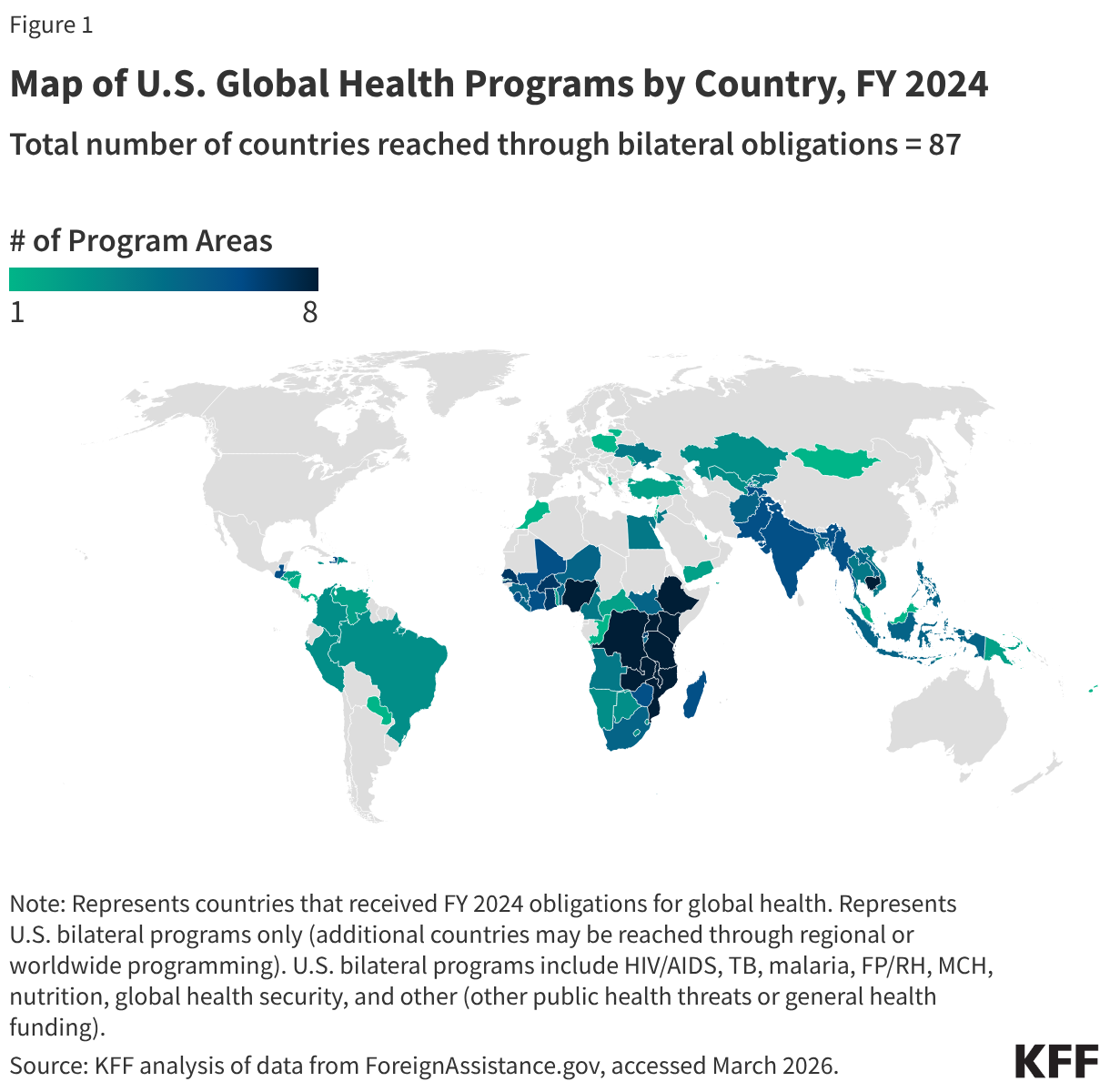
The United States government maintains a complex and expansive portfolio of global health programs that currently reach more than 80 countries, utilizing a combination of bilateral assistance, regional initiatives, and substantial contributions to multilateral organizations. As of Fiscal Year 2024, these programs represent a cornerstone of American foreign policy, aimed at improving health outcomes, strengthening health systems, and ensuring global health security in the face of emerging biological threats. The U.S. approach is characterized by a multi-sectoral strategy where programs often overlap within a single partner country, addressing a wide array of challenges including HIV/AIDS, malaria, tuberculosis, maternal and child health, and nutritional deficiencies.
The Strategic Framework of U.S. Global Health Programs
The U.S. global health architecture is built upon several flagship initiatives, each designed to tackle specific health crises while simultaneously building local capacity. The largest and perhaps most well-known of these is the President’s Emergency Plan for AIDS Relief (PEPFAR). Launched in 2003, PEPFAR has fundamentally transformed the global response to the HIV/AIDS epidemic. In the 2024 fiscal cycle, PEPFAR remains a critical component of U.S. engagement in dozens of countries, focusing not only on the provision of antiretroviral treatment but also on the prevention of mother-to-child transmission and the support of orphans and vulnerable children.
Alongside PEPFAR, the President’s Malaria Initiative (PMI) serves as a primary vehicle for reducing the burden of malaria, particularly in sub-Saharan Africa and the Greater Mekong Subregion. PMI’s strategy involves the distribution of insecticide-treated bed nets, indoor residual spraying, and the procurement of life-saving antimalarial medications. For FY 2024, the initiative continues to emphasize the importance of data-driven decision-making and the scaling up of seasonal malaria chemoprevention.
Tuberculosis (TB) remains another high-priority area. As one of the world’s leading infectious killers, TB receives significant U.S. bilateral support aimed at improving case detection, treating multi-drug resistant strains (MDR-TB), and integrating TB services with HIV care. The U.S. Agency for International Development (USAID) leads these efforts, working closely with national health ministries to implement the "Global Lead" strategy, which aims to end the TB epidemic by 2030.
A Chronology of U.S. Global Health Leadership
The evolution of U.S. involvement in global health has followed a trajectory from narrow, disease-specific interventions to a more holistic "health systems strengthening" approach.
- Post-World War II Era: The U.S. began its journey into international health through the Marshall Plan and the subsequent creation of USAID in 1961 under the Foreign Assistance Act. Early efforts focused largely on basic sanitation and vaccine distribution.
- The 1990s: The focus shifted toward reproductive health and child survival, following the landmark International Conference on Population and Development (ICPD) in Cairo.
- The 2003 Turning Point: The establishment of PEPFAR under the George W. Bush administration marked a massive scale-up in funding and political commitment, moving global health to the forefront of the national security agenda.
- 2005-2010: The launch of the President’s Malaria Initiative (2005) and the Global Health Initiative (2009) under the Obama administration sought to integrate various programs to provide more comprehensive care.
- 2020-Present: The COVID-19 pandemic necessitated a pivot toward Global Health Security (GHS). The U.S. became a leading donor to COVAX and significantly increased investments in pandemic preparedness and the "One Health" approach, which recognizes the link between human, animal, and environmental health.
In FY 2024, this chronology has culminated in a strategy that balances the maintenance of long-term programs like PEPFAR with the urgent need to prepare for future pandemics.
Comprehensive Program Areas and Resource Allocation
U.S. bilateral global health funding is categorized into several key program areas, each with specific targets and methodologies.
Maternal and Child Health (MCH) and Nutrition
The U.S. is a global leader in efforts to reduce maternal and under-five mortality. These programs focus on the "first 1,000 days" of a child’s life, providing nutritional supplements, promoting breastfeeding, and ensuring access to skilled birth attendants. In FY 2024, nutrition programs are particularly vital as global food insecurity, exacerbated by regional conflicts and climate change, threatens to undo decades of progress in stunting and wasting reduction.
Family Planning and Reproductive Health (FP/RH)
U.S. support for family planning aims to reduce unintended pregnancies and lower the risk of maternal death. While this area often faces domestic political scrutiny, the FY 2024 programs continue to provide voluntary family planning services in over 30 countries, emphasizing the rights of individuals to determine the number and spacing of their children.
Global Health Security (GHS)
In the wake of the COVID-19 pandemic, Global Health Security has seen a significant surge in prioritization. The U.S. works with partner nations to improve laboratory capacity, disease surveillance, and emergency response systems. The goal is to detect and contain outbreaks at their source before they become global catastrophes. The FY 2024 data indicates an expansion of GHS programs into new regions, particularly in Southeast Asia and Central Africa.
Regional Distribution and Geographic Impact
The distribution of U.S. global health programs is not uniform; it is strategically allocated based on disease burden, national need, and geopolitical considerations.
- Sub-Saharan Africa: This region remains the primary recipient of U.S. health assistance. The vast majority of PEPFAR and PMI resources are concentrated here, reflecting the high prevalence of HIV and malaria. Countries such as South Africa, Nigeria, and Kenya host some of the most comprehensive U.S.-funded health portfolios in the world.
- Asia: U.S. programs in Asia often focus on TB and Global Health Security. With densely populated urban centers and significant wildlife-human interfaces, countries like Vietnam, Indonesia, and Thailand are critical partners in pandemic prevention.
- Latin America and the Caribbean: Efforts in this region are frequently directed toward maternal and child health, as well as addressing emerging infectious diseases like Zika and Dengue. Haiti remains a major focus for comprehensive health assistance due to its fragile health infrastructure.
Analysis of Fiscal Year 2024 Data and Funding Trends
The FY 2024 data reflects a complex budgetary environment. While the U.S. remains the largest donor to global health in the world, the funding landscape is characterized by a "flat-funding" trend for many traditional programs. This has forced implementing agencies to seek greater efficiencies and prioritize "localization"—the process of shifting resources and decision-making power to local NGOs and government health departments.
The KFF (Kaiser Family Foundation) tracker, a vital tool for monitoring these investments, highlights that while bilateral funding is the primary mechanism for U.S. influence, multilateral contributions are equally essential. In FY 2024, the U.S. continues to provide significant support to the Global Fund to Fight AIDS, Tuberculosis and Malaria, and Gavi, the Vaccine Alliance. These contributions allow the U.S. to leverage its funds alongside other donor nations, amplifying the impact of every dollar spent.
Official Responses and Political Implications
The continuation of these programs into 2024 has met with both praise and debate within the U.S. Congress. Proponents of global health spending argue that these investments are a "best buy" for American taxpayers. By stabilizing foreign economies and preventing the spread of infectious diseases, these programs protect American citizens and interests.

"Global health is a matter of national security," noted a senior USAID official during a recent briefing on the FY 2024 budget. "When we invest in the health systems of our partners, we are building a more stable and prosperous world for everyone."
However, debates regarding the reauthorization of PEPFAR have surfaced in the 2024 legislative session, with some lawmakers raising concerns over the integration of reproductive health services within HIV programs. Despite these debates, there remains a strong, bipartisan consensus on the fundamental value of saving lives and maintaining U.S. leadership in the global health arena.
Broader Impact and Future Outlook
The implications of U.S. global health programs extend far beyond medical statistics. These initiatives serve as a powerful tool of "soft power," fostering goodwill and strengthening diplomatic ties with partner nations. In many parts of the world, the "blue marble" logo of USAID or the PEPFAR insignia is a visible symbol of American partnership and compassion.
Looking ahead, the U.S. global health strategy faces several emerging challenges. The impact of climate change on the spread of vector-borne diseases, the rise of antimicrobial resistance (AMR), and the "double burden" of infectious and non-communicable diseases (like diabetes and heart disease) in developing nations will require the U.S. to adapt its programming.
Furthermore, the shift toward "localization" will remain a defining theme of the mid-2020s. By empowering local health workers and institutions, the U.S. aims to create sustainable health systems that can eventually function without external aid. The FY 2024 tracker serves as a vital roadmap for this transition, providing the transparency and data necessary to ensure that U.S. investments continue to reach those most in need while building a healthier, more secure global community.
Related posts: