
Colleges Serving Far More Students with Autism Than Previously Estimated, New Research Reveals

New research published in the journal Autism in Adulthood indicates a significantly higher number of students on the autism spectrum are enrolled in U.S. colleges and universities than previously understood, with estimates ranging from 135,400 to 286,254 individuals. This substantial increase from earlier projections, which placed the figure as low as 60,000, suggests that a considerable population of autistic students are already integrated into higher education environments, often without the institutions fully recognizing their presence or providing tailored support.
The study, led by Brad Cox, an associate professor at Michigan State University, analyzed published research, conducted surveys of college students, and examined federal datasets. Cox emphasized that this is not a small or niche demographic. "For years, we’ve known more autistic students were going to college – we just didn’t know how many," Cox stated. "What this shows is that this is not a small or niche population. These students are already part of our campuses." The findings underscore a critical need for higher education institutions to re-evaluate their understanding and provision of support services for autistic students.
A Shifting Landscape of Higher Education Accessibility
The increasing presence of autistic individuals in higher education reflects a broader societal shift towards greater inclusivity and a growing awareness of the potential and aspirations of neurodivergent individuals. Historically, individuals with autism faced significant barriers to higher education due to a lack of understanding of their unique needs, limited access to appropriate support systems, and societal stigma. However, advancements in diagnostic practices, therapeutic interventions, and advocacy have paved the way for more autistic individuals to pursue post-secondary education.
The Autism and Developmental Disabilities Monitoring (ADDM) Network, a CDC initiative, has been tracking the prevalence of autism spectrum disorder (ASD) in the United States since the early 2000s. While the primary focus of the ADDM Network is on children, its data provides a crucial baseline for understanding the pipeline of individuals who may eventually seek higher education. Early ADDM reports indicated a prevalence of around 1 in 150 children. More recent estimates, such as those from 2020, suggest a prevalence of approximately 1 in 44 children. This upward trend in diagnosis and awareness directly correlates with a larger pool of individuals who may be qualified and motivated to attend college.
The transition from high school to college represents a significant developmental and logistical challenge for any student. For autistic students, this transition can be amplified by sensory sensitivities, social communication differences, executive function challenges, and the need for consistent routines. Many autistic students develop effective coping mechanisms and self-advocacy skills during their K-12 education, often with the support of individualized education programs (IEPs) and specialized services. However, the educational landscape of college and university campuses is fundamentally different, often characterized by larger class sizes, less structured environments, and a greater emphasis on independent learning and social navigation.
Underestimation and the Challenge of Disclosure
A key finding of the Autism in Adulthood study is that the current estimates may still represent an undercount. Researchers found that approximately 43% to 47% of high school students with autism pursue higher education. However, not all students choose to disclose their autism diagnosis or request accommodations once they are enrolled in college. This decision is often influenced by a variety of factors, including past negative experiences, fear of stigma, a desire for independence, or a belief that they can succeed without formal support.
The decision to disclose a disability is deeply personal and can be influenced by the perceived campus climate, the availability and accessibility of disability support services, and the individual’s confidence in their ability to self-advocate. Some students may worry that disclosure could lead to lowered expectations from professors or peers, or even discrimination. Others may feel that their diagnosis is not a significant barrier to their academic success and prefer to navigate college independently.
This reluctance to disclose creates a challenge for universities aiming to provide comprehensive support. Without knowing who requires assistance, institutions struggle to proactively identify needs and offer tailored resources. This can lead to autistic students experiencing unnecessary academic difficulties, social isolation, or mental health challenges, which could have been mitigated with appropriate support.
The Role of Specialized Programs and Support Services
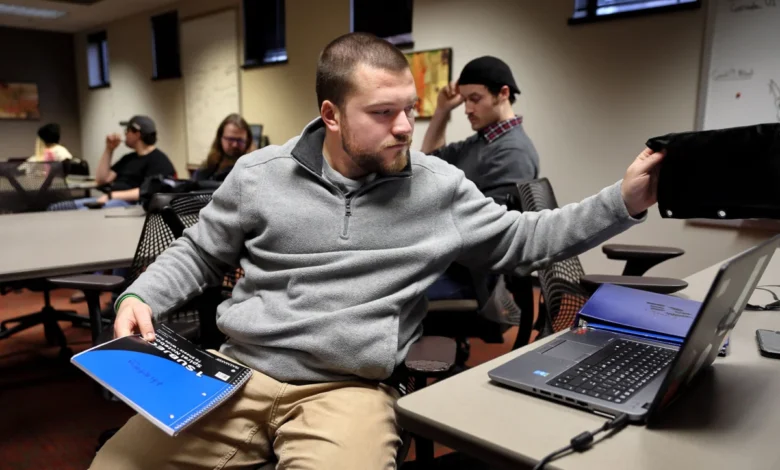
The University of Missouri-St. Louis (UMSL) program, "Link," highlighted in the accompanying image, serves as a crucial example of how institutions can actively support autistic students. Programs like Link are designed to bridge the gap between academic, life, and career preparation, offering a multi-faceted approach to student success. These initiatives often provide:
- Academic Support: Tutoring, study skills workshops, guidance on navigating university policies and procedures, and assistance with course selection.
- Life Skills Development: Training in areas such as time management, organization, budgeting, independent living skills, and social interaction strategies.
- Career Preparation: Resume building, interview practice, internship placement assistance, and guidance on exploring career paths aligned with individual strengths and interests.
- Social and Emotional Support: Peer mentoring programs, social skills groups, and connections to campus counseling services that are knowledgeable about neurodiversity.
- Advocacy and Navigation: Assistance in understanding and accessing disability services, communicating needs to faculty, and navigating the complexities of university life.
The success of programs like UMSL’s Link is vital. By offering a structured and supportive environment, these initiatives empower autistic students to thrive academically and personally. The anecdotal evidence from students who benefit from such programs often highlights a newfound sense of belonging and confidence, enabling them to achieve their educational and career goals.
Implications for Higher Education Institutions
The findings of the Autism in Adulthood study carry significant implications for how colleges and universities operate and serve their student populations.
1. Data Collection and Identification Strategies:
Institutions need to move beyond outdated data and implement more robust methods for understanding their student demographics. This could involve:
- Anonymous Surveys: Periodically surveying students about their needs and preferences for support, without requiring mandatory disclosure.
- Proactive Outreach: Developing outreach strategies to inform students about available disability services and encourage those who may benefit to explore them.
- Training for Faculty and Staff: Educating faculty and staff about autism spectrum disorder, neurodiversity, and effective communication and teaching strategies for autistic students. This can create a more welcoming and understanding campus environment.
2. Enhancing Disability Support Services:
Existing disability resource centers need to be adequately staffed and resourced to meet the growing demand. This includes:
- Specialized Personnel: Hiring professionals with expertise in supporting neurodivergent students.
- Flexible Accommodations: Offering a range of accommodations beyond traditional academic adjustments, such as sensory-friendly spaces, quiet study areas, and support for social engagement.
- Transition Programs: Developing or expanding programs that specifically address the unique challenges faced by autistic students during the transition to college.
3. Fostering Inclusive Campus Cultures:
Beyond formal services, creating a truly inclusive campus culture is paramount. This involves:
- Awareness Campaigns: Promoting understanding and acceptance of neurodiversity through campus-wide initiatives.
- Peer Support Networks: Facilitating the development of student-led groups and peer mentoring programs for autistic students.
- Universal Design for Learning (UDL): Implementing UDL principles in course design and delivery to ensure that learning materials and activities are accessible to all students, regardless of their learning style or neurotype.
4. Collaboration and Research:
Continued collaboration between researchers, universities, and advocacy groups is essential. As Cox noted, "Our numbers clearly show this is a large and growing group that deserves more attention – from families, educators, policymakers and researchers alike. The next step is turning that awareness into action so autistic individuals have the support they need to thrive in school, work and life." This collaborative approach can lead to the development of evidence-based practices and policies that better serve the needs of autistic students.
A Look Towards the Future
The increasing enrollment of autistic students in higher education is a testament to their capabilities and aspirations. It also presents an opportunity for universities to evolve and become more inclusive and effective learning environments for all students. By acknowledging the scale of this demographic, understanding the complexities of disclosure, and proactively implementing comprehensive support systems, colleges and universities can ensure that autistic students not only attend but also thrive, contributing their unique talents and perspectives to the academic and broader community. The future of higher education lies in embracing diversity in all its forms, and supporting neurodivergent students is a critical component of that vision.
Related posts: