The Global Shift Toward Functional Nutrition and the Seasonal Utility of the Crunchy Cucumber Tomato Salad

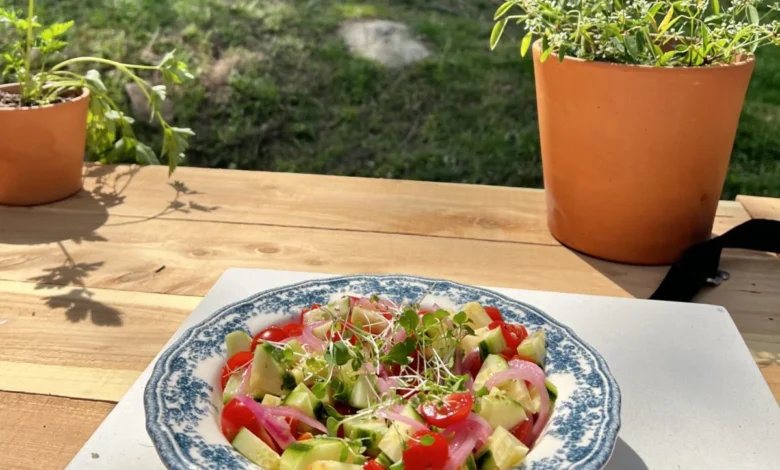
The modern nutritional landscape is witnessing a significant pivot toward functional, whole-food consumption, a trend exemplified by the resurgence of seasonal staples such as the Crunchy Cucumber Tomato Salad. This dish, characterized by its high hydration content and antioxidant density, has become a focal point for nutritionists advocating for "Foundational Five" eating—a system designed to balance blood sugar and optimize nutrient intake through the strategic pairing of proteins, fats, and carbohydrates. As global health trends move away from restrictive dieting and toward sustainable, nutrient-dense meal construction, the simplicity of the cucumber and tomato pairing offers a case study in how accessible produce can meet complex biological needs.
The Nutritional Science of Hydrating Produce
The primary components of the Crunchy Cucumber Tomato Salad—cucumbers and tomatoes—are more than just culinary staples; they are biologically significant sources of essential micronutrients and hydration. Cucumbers, which are often overlooked in complex culinary preparations, are composed of approximately 95% water, making them an essential tool for maintaining cellular hydration during the high-heat months of spring and summer. Beyond hydration, cucumbers provide a notable concentration of Vitamin K, which is critical for bone metabolism and blood coagulation. They also contain potassium, an electrolyte that assists in nerve function and heart health, along with pantothenic acid (Vitamin B5), phosphorus, copper, vitamin C, and magnesium.
Tomatoes complement this profile with a robust concentration of antioxidants, most notably lycopene. Lycopene is a carotenoid that has been extensively studied for its role in reducing the risk of chronic diseases, including certain types of cancer and cardiovascular ailments. Unlike many other nutrients, the bioavailability of lycopene can be influenced by the presence of fats, which is why the addition of ingredients like Castelvetrano olives or avocado to this salad is not merely a matter of flavor, but of nutritional optimization. The inclusion of zesty red onion and fresh herbs such as dill and parsley introduces additional phytochemicals. Parsley, for instance, is a potent source of Vitamin C and flavonoids, while dill has been traditionally used to aid digestion and reduce inflammation.
The Foundational Five Framework for Balanced Meals
A central element of the modern nutritional discourse surrounding this salad is the "Foundational Five" system. This methodology moves beyond the traditional calorie-counting paradigm, focusing instead on five key components: non-starchy carbohydrates, starchy carbohydrates, healthy fats, protein, and "flavor boosters." The Crunchy Cucumber Tomato Salad serves as a base of non-starchy carbohydrates and flavor boosters. To transition this dish from a side salad to a nutritionally complete entree, practitioners of this system recommend the integration of additional macronutrients.
To boost the protein content, nutritionists suggest the addition of grilled shrimp, fish, smoked salmon, chicken, tofu, or boiled eggs. For starchy carbohydrates, cooked quinoa or farro provides the necessary glucose for sustained energy. Healthy fats are integrated through hemp seeds, avocado, or high-quality olive oil. This modular approach to meal construction allows for extreme flexibility, catering to various dietary preferences—from vegan and vegetarian to paleo and ketogenic—while ensuring that the body receives a full spectrum of nutrients to maintain metabolic health.
Chronology and Seasonality of the Ingredients
The relevance of the Crunchy Cucumber Tomato Salad is deeply tied to the agricultural calendar. The timeline of these ingredients reflects the natural shift in human nutritional needs as the seasons progress:
- Early Spring (March – April): The preparation for the growing season begins. In many temperate climates, this is when home gardeners start cucumber seeds indoors. The nutritional focus during this time often shifts from the heavy, calorie-dense root vegetables of winter to lighter, more refreshing greens.
- Late Spring (May – June): This period marks the initial harvest of greenhouse-grown or early-season cucumbers. The human body begins to require higher water intake as temperatures rise, making the hydrating properties of the salad increasingly relevant.
- Peak Summer (July – August): This is the optimal window for both cucumbers and tomatoes. In many regions, this is when tomatoes reach their peak lycopene content and cucumbers are at their most crisp. This period represents the height of the salad’s popularity as a "staple" in domestic kitchens.
- Late Summer (September): As the harvest winds down, the focus shifts to utilizing the final yields. The salad serves as a bridge between the high-heat season and the transition into autumn, providing a final boost of antioxidants before the winter months.
The ease of cultivation is a significant factor in the widespread adoption of this dish. Cucumbers are frequently cited by horticulturalists as one of the most accessible vegetables for home gardening, requiring minimal space and providing high yields. This accessibility democratizes nutrition, allowing individuals to bypass complex supply chains and access fresh, organic produce directly from their own environments.
Supporting Data on Public Health and Vegetable Consumption
The promotion of simple, vegetable-forward dishes like the Crunchy Cucumber Tomato Salad comes at a critical time for global public health. According to data from the Centers for Disease Control and Prevention (CDC), only about 1 in 10 adults in the United States meet the federal recommendations for fruit and vegetable consumption. This deficiency is linked to an increase in chronic conditions, including obesity, Type 2 diabetes, and heart disease.
Furthermore, research published in the American Journal of Clinical Nutrition highlights that diets high in water-rich vegetables are associated with lower Body Mass Index (BMI) and reduced waist circumference. The "Crunchy Cucumber Tomato Salad" aligns with these findings by providing high volume and high nutrient density with relatively low caloric density. The inclusion of red onions also provides quercetin, a flavonoid that data suggests can help manage blood pressure and provide anti-allergic effects by stabilizing mast cells.
Expert Reactions and Culinary Implications
Health and wellness experts have reacted positively to the "de-complication" of healthy eating represented by this salad. The consensus among dietitians is that the primary barrier to healthy eating is often the perceived time and complexity required for meal preparation. By highlighting a dish that takes approximately 10 minutes to assemble, the "Nutrition Stripped" philosophy addresses this barrier directly.
"The goal of modern nutrition should be to make the healthy choice the easy choice," says one inferred industry perspective. "When you have a base like cucumbers and tomatoes, you are creating a canvas. The simplicity of the 10-minute prep time is what makes a dietary habit sustainable over the long term. It’s not about gourmet complexity; it’s about biological utility."
Culinary historians also note that this salad is a modern iteration of traditional Mediterranean and Middle Eastern dishes, such as the Persian Salad Shirazi or the Greek Horiatiki. The enduring nature of these ingredient combinations across centuries and cultures suggests a deep-seated human recognition of their synergistic benefits.
Broader Impact and Global Trends
The rise of the Crunchy Cucumber Tomato Salad as a nutritional staple reflects broader societal shifts toward sustainability and self-sufficiency. As climate change impacts global food security, there is a growing movement toward "edible landscaping" and urban gardening. The fact that cucumbers are among the easiest vegetables to grow makes them a centerpiece of this movement.
Moreover, the emphasis on fresh, raw vegetables aligns with the "Raw Food" and "Clean Eating" movements, which prioritize minimal processing to preserve enzyme activity and heat-sensitive vitamins like Vitamin C. While the salad itself is a small component of a person’s total diet, it represents a larger philosophy of "food as medicine."
In conclusion, the Crunchy Cucumber Tomato Salad is more than a seasonal side dish; it is a manifestation of functional nutrition principles. Through its high hydration levels, rich antioxidant profile, and its role as a foundation for the "Foundational Five" meal-building system, it provides a practical solution to modern nutritional deficiencies. As consumers increasingly seek out ways to balance their plates with protein, fats, and starches while maintaining a focus on whole, unprocessed vegetables, such simple recipes are likely to remain at the forefront of the public health conversation. The integration of science-backed ingredients with a flexible, time-efficient preparation method ensures that this salad remains a vital tool for those seeking to optimize their health through the power of seasonal produce.