The Evolution of the Breakfast Taco and the Science of Balanced Morning Nutrition

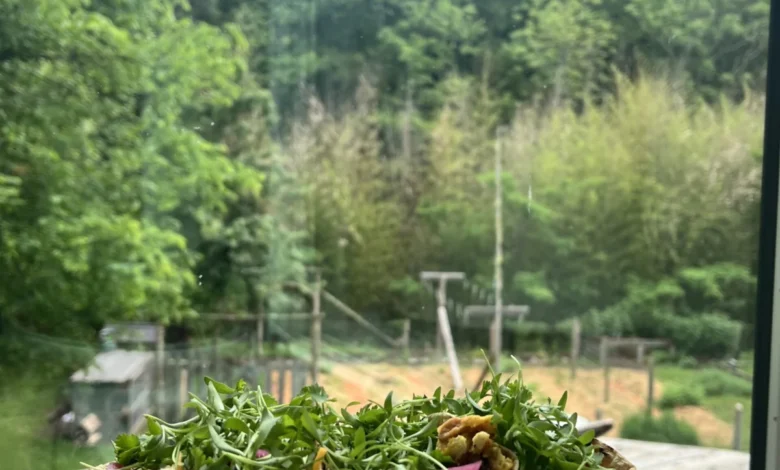
The breakfast taco has transitioned from a regional specialty of the American Southwest into a global symbol of versatile, nutrient-dense morning nutrition, representing a shift in how modern consumers approach the first meal of the day. Traditionally viewed as a simple combination of eggs and meat wrapped in a tortilla, the contemporary breakfast taco now serves as a sophisticated vehicle for what nutritional experts call the "Foundational Five" formula—a structured approach to meal building that prioritizes protein, healthy fats, fiber-rich non-starchy carbohydrates, starchy carbohydrates, and a sensory "flavor factor." This evolution reflects broader trends in the health and wellness industry, where the focus has moved away from restrictive dieting toward the construction of balanced plates that support metabolic health, sustained energy levels, and digestive efficiency.
The Nutritional Architecture of the Modern Breakfast Taco
At the core of the ultimate breakfast taco is a departure from rigid recipes in favor of a flexible nutritional template. This methodology ensures that each meal provides a comprehensive profile of macronutrients and micronutrients. The primary pillar of this framework is high-quality protein. While scrambled eggs remain the traditional standard, the modern culinary landscape has expanded to include a diverse array of proteins such as grilled fish, lean chicken, smoked tofu, and fermented tempeh. Protein is essential for morning consumption as it triggers the release of satiety hormones and provides the amino acids necessary for muscle repair and neurotransmitter function.
Complementing the protein is the inclusion of healthy fats, most notably avocado. The integration of monounsaturated fats is critical for the absorption of fat-soluble vitamins (A, D, E, and K) found in other taco components. Beyond satiety, these fats contribute to heart health and provide a creamy texture that reduces the need for processed condiments. Other fat sources often utilized in this framework include artisanal cheeses and cultured sour cream, which can also contribute probiotics to the meal.
The third and fourth pillars involve a strategic distinction between types of carbohydrates. Non-starchy carbohydrates, such as cilantro microgreens, pickled red onions, radishes, and sautéed bell peppers, are emphasized for their high fiber content and low glycemic load. These ingredients add volume and essential phytonutrients without causing sharp spikes in blood glucose. Conversely, starchy carbohydrates are provided by the tortilla itself and the addition of legumes like pinto or refried beans. Legumes are particularly valued in this nutritional model for their "resistant starch," which feeds beneficial gut bacteria and further enhances the meal’s fiber profile.
Historical Context and the Rise of the Breakfast Taco
The breakfast taco’s journey to nutritional prominence is rooted in the deep cultural history of the Tejanos in Texas. While the exact origin is often debated between the cities of San Antonio and Austin, the dish emerged as a fusion of Mexican culinary traditions and available Texan ingredients in the mid-20th century. Historically, these were "comida casera" (home-cooked meals) wrapped in flour or corn tortillas for portability, allowing laborers and commuters to consume a hot, filling meal on the go.
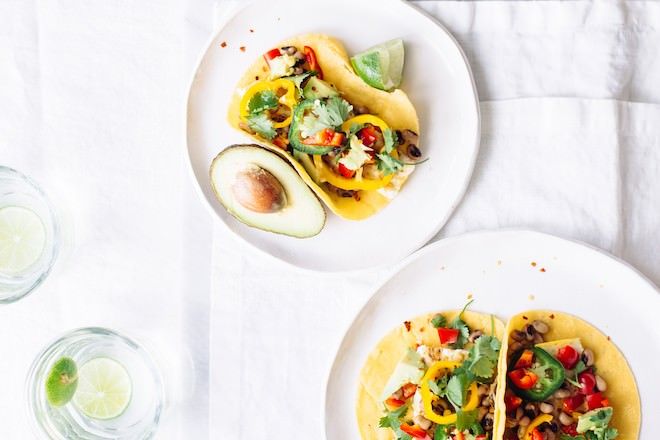
By the 1980s and 1990s, the breakfast taco began to move out of private kitchens and local "supermercados" into the mainstream commercial market. As the specialty coffee movement and the "brunch culture" of the early 2000s took hold, the breakfast taco was reimagined. It became a canvas for gourmet experimentation, leading to the "Ultimate Breakfast Taco" concepts seen today. This transition was fueled by an increasing consumer demand for "functional foods"—items that provide health benefits beyond basic nutrition. The taco’s inherent modularity made it the perfect candidate for the health-conscious consumer who required a meal that could be easily adapted to gluten-free, vegan, or high-protein diets.
Supporting Data: The Impact of Fiber and Protein on Satiety
The emphasis on fiber and protein in the breakfast taco template is supported by significant clinical data. According to the American Heart Association and the Mayo Clinic, the average adult should consume between 25 and 38 grams of fiber per day, yet many fall short of this goal. A single breakfast taco built with a corn tortilla, a half-cup of black beans, and a variety of vegetable toppings can provide upwards of 10 to 12 grams of fiber, meeting nearly a third of the daily requirement in one sitting.
Research published in the American Journal of Clinical Nutrition indicates that high-protein breakfasts (containing 20-30 grams of protein) significantly reduce evening snacking and improve appetite control throughout the day. By utilizing the Foundational Five formula, a breakfast taco featuring two eggs and a side of beans easily reaches this protein threshold. Furthermore, the inclusion of "Flavor Factors" like fresh lime juice and capsaicin-rich hot sauces has been shown to boost metabolic rate slightly and increase meal satisfaction, which prevents overeating.
The Role of the Tortilla: From Tradition to Grain-Free Innovation
The foundation of the taco—the tortilla—has undergone its own technological and nutritional revolution. While traditional corn tortillas remain a staple due to their whole-grain status and nixtamalization process (which increases the bioavailability of niacin), the market has seen a surge in specialty varieties.
- Corn Tortillas: Traditionally made from masa harina, these provide a low-fat, gluten-free base with a moderate glycemic index.
- Flour Tortillas: Often preferred for their pliability, though modern versions are increasingly made with whole wheat or fortified flours.
- Grain-Free Alternatives: Utilizing cassava flour, almond flour, or coconut flour, these cater to the growing population of consumers with Celiac disease or those following paleo and ketogenic lifestyles.
- Artisanal and Local Sourcing: There is a documented "return to roots" movement where consumers prioritize tortillas from local supermercados or make them from scratch to avoid the preservatives found in mass-produced grocery store brands.
The economic impact of this diversification is substantial. The global tortilla market was valued at approximately $40 billion in 2021 and is projected to grow at a compound annual growth rate (CAGR) of over 5% through 2028. This growth is driven largely by the perception of tortillas as a healthier alternative to leavened bread.
Official Responses and Industry Implications
Nutritionists and dietitians have largely responded positively to the "template" approach to meal preparation. Unlike rigid calorie-counting methods, the Foundational Five formula encourages food literacy and intuitive eating. Public health advocates suggest that such flexible frameworks are more sustainable for long-term health than "fad" diets because they accommodate cultural preferences and seasonal ingredient availability.

In the restaurant and food service industry, the "breakfast anytime" trend has forced a reevaluation of menu structures. National chains and local bistros alike are increasingly offering customizable taco bars that mirror the nutritional guidelines mentioned. This shift is a direct response to a more informed consumer base that scrutinizes ingredient lists for fiber content and healthy fat sources.
Analysis of Broader Implications
The rise of the structured, nutritionally balanced breakfast taco signifies a broader movement toward "deconstructed" wellness. Consumers are no longer looking for a one-size-fits-all meal; they are looking for a system that allows them to optimize their intake based on their specific physiological needs.
From a public health perspective, the promotion of meals that are high in fiber and non-starchy vegetables could play a role in combating the rising rates of Type 2 diabetes and obesity. By framing these healthy choices within the familiar and beloved context of a taco, health educators can lower the barrier to entry for nutritious eating. The "Flavor Factor"—the use of salsa, lime, and herbs—is particularly important here, as it proves that "healthy" food does not have to be "bland" food, a common misconception that often hinders dietary improvements.
Furthermore, the environmental implications of this flexible template are noteworthy. The ability to swap animal proteins for plant-based alternatives like tofu or beans without compromising the structural integrity of the meal allows for a more sustainable, lower-carbon footprint diet. As food security and environmental impact become more pressing global issues, the adaptability of the taco makes it a resilient staple of the modern diet.
In conclusion, the ultimate breakfast taco is more than a culinary trend; it is a manifestation of modern nutritional science applied to a historical staple. By balancing the "Foundational Five"—protein, fat, non-starchy carbs, starchy carbs, and flavor—individuals can transform a simple morning meal into a powerful tool for health maintenance and metabolic stability. As the culinary world continues to innovate, the taco remains a primary example of how tradition and science can merge to create a balanced, accessible, and highly effective approach to daily nutrition.