The Indian Association of Palliative Care Launches Third Infographic in "Care Continuum" Series: Palliative Care at Home

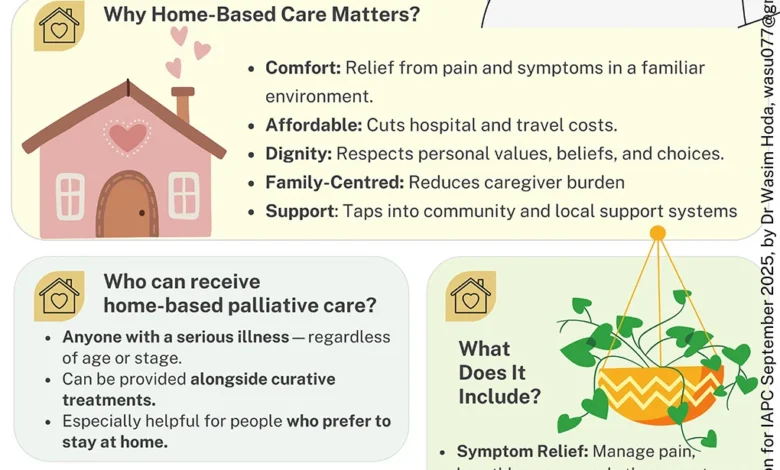
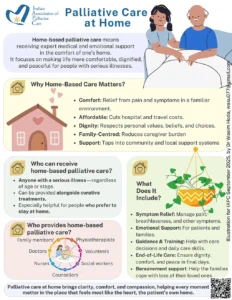
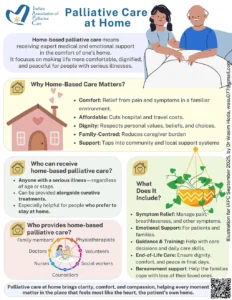
The Indian Association of Palliative Care (IAPC) has unveiled its latest infographic, "Palliative Care at Home," marking the third installment in its ongoing "Care Continuum" series. This release underscores the IAPC’s commitment to expanding awareness and education surrounding palliative care nationwide. The infographic, available on the IAPC’s social media platforms and website, aims to disseminate crucial information about providing comprehensive palliative care within the home environment.
Expanding Access to Palliative Care
The "Palliative Care at Home" infographic follows the successful "Care Continuum" series launched in June of this year, which initially focused on broader aspects of palliative care. This latest release specifically addresses the growing importance and practicalities of delivering palliative services to individuals in their own residences. The IAPC views this initiative as a vital step in its broader mission to integrate palliative care principles and practices into the national healthcare landscape, ensuring that individuals facing serious illnesses can receive quality support and symptom management regardless of their location.
The decision to focus on home-based palliative care is driven by several key factors. Firstly, there is a significant demographic shift globally, with an increasing elderly population and a rise in non-communicable diseases, all of which contribute to a growing demand for palliative services. Many patients express a strong preference for receiving care in the familiar and comfortable setting of their homes, surrounded by loved ones. Home-based care not only respects patient autonomy and enhances quality of life but can also alleviate the burden on hospital infrastructure and reduce healthcare costs.
Background of the "Care Continuum" Series
The "Care Continuum" series was conceptualized by the IAPC to provide a structured and accessible educational resource on palliative care. The series aims to demystify palliative care, highlight its different facets, and demonstrate how it can be integrated across various stages of illness and healthcare settings. The initial infographics likely laid the groundwork by defining palliative care, outlining its core principles, and perhaps touching upon its role in hospital settings or specialized palliative care units.
The release of the "Palliative Care at Home" infographic signifies a progression within the series, delving into a specific and increasingly critical domain. This targeted approach allows the IAPC to address the unique challenges and opportunities associated with delivering care outside traditional medical facilities. It acknowledges that effective palliative care is not confined to specialized centers but can and should be extended to the community and homes.
Supporting Data and the Need for Home-Based Palliative Care
Globally, the demand for palliative care is immense. The World Health Organization (WHO) estimates that 40 million people require palliative care annually, with the majority residing in low- and middle-income countries. In India, the situation is equally pressing. With a rapidly aging population and a high burden of chronic diseases such as cancer, cardiovascular diseases, and neurological disorders, the need for comprehensive palliative care services is escalating.
Key Statistics Highlighting the Need:
- Growing Burden of Non-Communicable Diseases (NCDs): India faces a significant challenge from NCDs, which often require long-term management and can lead to severe pain and suffering. According to the Indian Council of Medical Research (ICMR), NCDs account for over 60% of deaths in India.
- Preference for Home Care: Surveys and anecdotal evidence consistently show that a vast majority of patients and their families prefer to receive end-of-life care at home. This preference is driven by a desire for comfort, dignity, and the presence of family.
- Limited Access to Specialized Care: Despite the growing need, access to specialized palliative care services remains uneven across India. Many rural and semi-urban areas lack dedicated palliative care units or trained professionals. Home-based care can bridge this gap by bringing services closer to patients.
- Economic Benefits: While the primary goal of palliative care is to improve patient well-being, home-based models can also offer economic advantages by reducing hospital admissions, shortening hospital stays, and allowing caregivers to continue working.
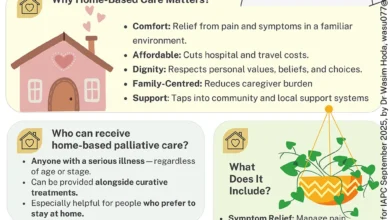
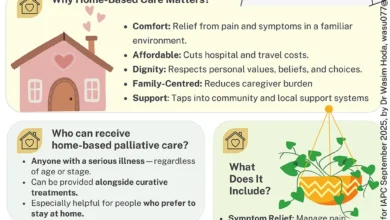
The "Palliative Care at Home" infographic likely addresses these statistics implicitly by illustrating the benefits and methodologies of delivering care in a home setting. It aims to empower healthcare professionals, caregivers, and families with the knowledge and tools necessary to provide effective palliative support outside of clinical institutions.

Dr. Wasimul Hoda’s Contribution
The IAPC specifically acknowledges the "valuable support" of Dr. Wasimul Hoda, a Fellow in Pain Medicine from the Department of Anaesthesia, Critical Care and Pain Medicine at AIIMS New Delhi, for his contribution to this initiative. Dr. Hoda’s expertise in pain medicine and critical care is highly relevant to the field of palliative care, particularly in managing complex symptoms that arise in advanced illnesses. His involvement suggests a collaborative effort to ensure the infographic is grounded in clinical expertise and reflects current best practices.
This collaboration between a national association like the IAPC and a leading medical institution like AIIMS New Delhi signifies a commitment to evidence-based practice and the dissemination of high-quality information. It also highlights the increasing recognition of palliative care as a specialized field requiring multidisciplinary expertise.
Dissemination and Future Implications
The IAPC’s strategy of making the infographic freely available on social media and its website is a deliberate move to maximize reach and impact. This open-access approach ensures that the information can be accessed by a wide audience, including healthcare professionals, policymakers, students, patients, and their families, irrespective of geographical location or institutional affiliation.
The availability of this resource can have several positive implications:
- Increased Awareness: It will likely raise awareness about the availability and benefits of palliative care at home, encouraging more individuals to seek or advocate for such services.
- Capacity Building: Healthcare professionals, especially those in primary care and community health settings, can use the infographic as a reference to enhance their understanding and skills in providing home-based palliative care.
- Policy Influence: Wider dissemination of information on palliative care can inform policymakers and health system planners, potentially leading to increased investment and support for home-based palliative care programs.
- Empowerment of Families: Caregivers and family members can gain valuable insights into managing symptoms, providing emotional support, and navigating the complexities of end-of-life care at home.
Broader Context of Palliative Care in India
The IAPC’s consistent efforts in promoting palliative care are part of a larger, albeit still developing, movement in India. While significant progress has been made, particularly in urban centers and through the dedication of various NGOs and professional bodies, the reach of comprehensive palliative care remains limited. Challenges include a shortage of trained personnel, inadequate funding, societal misconceptions about palliative care being solely for the actively dying, and a lack of integration into mainstream healthcare policies.
The "Care Continuum" series, and specifically the "Palliative Care at Home" infographic, directly addresses these challenges by:
- Demystifying Palliative Care: By breaking down complex topics into accessible formats, the IAPC helps to combat myths and foster a better understanding of what palliative care truly entails – improving quality of life for both patients and their families at any stage of a serious illness.
- Promoting Integration: The "Care Continuum" concept itself emphasizes that palliative care is not an isolated service but an integral part of a patient’s journey, working in conjunction with curative treatments.
- Advocating for Accessibility: By focusing on home-based care, the IAPC highlights a model that can extend the reach of palliative services to populations that may not have access to specialized facilities.
Future Outlook and the Role of the IAPC
The IAPC’s ongoing infographic series is a testament to its strategic approach to addressing the critical need for palliative care in India. By leveraging digital platforms and creating shareable educational content, the association is effectively reaching a broad audience. The commitment to producing multiple parts of the "Care Continuum" series suggests a long-term vision for comprehensive palliative care education.
Future installments of the series may delve into other crucial aspects, such as pediatric palliative care, ethical considerations, or the role of interdisciplinary teams. The success of initiatives like "Palliative Care at Home" will ultimately depend on sustained engagement from healthcare providers, policymakers, and the public.
The IAPC’s work, supported by individuals like Dr. Wasimul Hoda, is instrumental in shaping a future where quality palliative care, including compassionate and effective home-based support, is accessible to all Indians facing life-limiting illnesses. The availability of the infographic serves as a call to action for greater awareness, education, and implementation of these vital services across the nation. The resource is a valuable addition to the growing body of knowledge and advocacy aimed at improving end-of-life care in India.
Related posts: