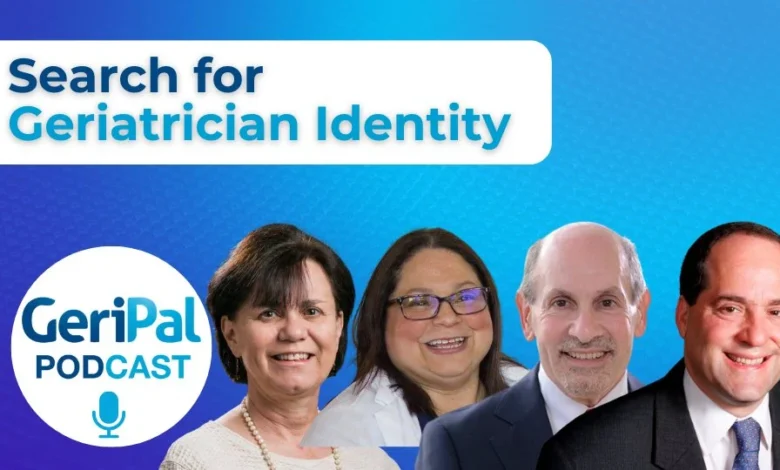
The field of geriatrics, dedicated to the health and well-being of older adults, is at a critical juncture, grappling with its identity and future trajectory. Recent discussions, highlighted in a series of articles published in the Journal of the American Geriatrics Society (JAGS), have ignited a robust debate among leading geriatricians about the profession’s core tenets, its public perception, and its strategic direction. This discourse, featured on the GeriPal Podcast, brings together prominent figures in the field to explore what it means to be a geriatrician in the 21st century and how the discipline can best serve an aging global population.
The Identity Crisis: A Long-Standing Conversation
The conversation around geriatrician identity is not a new one. As Dr. Jerry Gurwitz, a geriatrician and researcher at UMass Chan Medical School, pointed out, a seminal article from years ago titled "The Unknown Profession" by Jean Campbell and colleagues vividly illustrated the public’s lack of understanding. A accompanying video, which surveyed individuals on the street, revealed that definitions of a geriatrician ranged from ice cream brands to political redistricting, with little connection to the medical specialty. This disconnect, while often humorous, underscores a persistent challenge: making the vital role of geriatricians visible and comprehensible to both the public and their medical colleagues.
Dr. Gurwitz’s recent JAGS article, "In Search of Geriatrician Identity," attempts to categorize the multifaceted roles within the profession. He outlines four distinct identities:
- The Complexivist: This identity directly aligns with the fifth "M" of geriatrics – multicomplexity. It represents the geriatrician who expertly navigates the intricate web of multiple chronic conditions, functional decline, and psychosocial factors common in older adults. While intuitive to those in the field, this complexity is often not readily grasped by the general public or even by colleagues in other specialties.
- The Healthful Longevitist: This perspective emphasizes a more optimistic view of aging, focusing on increasing health span, promoting healthy aging, and fostering resilience and well-being. It highlights the proactive and preventative aspects of geriatric care.
- The Syndromist: A more recent development, this identity describes geriatricians who specialize in a specific syndrome or condition prevalent in older adults, such as a brain health specialist focusing on dementia care. While valuable, this specialization can sometimes obscure the broader geriatric identity. The emergence of new amyloid-targeting drugs for Alzheimer’s disease has, for instance, drawn more geriatricians into this specific area.
- The Contextualist: This role involves mastering particular clinical settings or models of care, such as home care, acute care for the elderly (ACE) units, or Programs of All-Inclusive Care for the Elderly (PACE). This is analogous to the development of hospitalists within internal medicine.
Dr. Gurwitz notes that geriatricians can embody any or all of these identities, offering a flexible and adaptable approach to care. However, a significant challenge remains: these identities are not exclusive to geriatrics, leaving the profession vulnerable to being "outnumbered and outmaneuvered" as other specialties encroach upon these domains.
Mainstreaming Geriatrics: A Decade of Reflection and Evolution
Echoing the concerns about identity, Dr. Mary Tinetti, a geriatrician researcher at Yale, revisited her own influential 2013 JAGS article, "Mainstream or Extinction? Can Defining Who We Are Save Geriatrics 10 Years Later?" In her re-examination, Dr. Tinetti reflects on her initial anxieties about the field’s lack of recognition and respect. After decades in the profession, she realized that the crucial question was not about the label of "geriatrician," but rather whether older adults were receiving the care they needed.
Her initial article highlighted the importance of geriatric principles – an interdisciplinary approach, patient safety, and a focus on the unique needs of older adults – which have long been foundational to the field, even if not always credited as such. Ten years later, Dr. Tinetti expresses a similar sense of "angst" regarding identity but remains steadfast in her belief that the ultimate measure of success lies in improving the care of complex older patients, regardless of who delivers it. She points to some successes in the past decade, suggesting that the overall care of older adults has seen improvements, though significant challenges persist.
Challenging the Narrative: Beyond "Whining" to Action
A recurring theme in the discussion is the need to move beyond a narrative of complaint and deficit towards one of proactive engagement and demonstrated value. Dr. Helen Fernandez, a geriatrician, palliative care physician, and educator at Mount Sinai in New York City, shared an anecdote from early in her career where a congressional staffer, upon hearing she was a geriatrician, immediately assumed she would complain about being underpaid and overworked. This experience, she notes, encapsulates a perception that has plagued the field for too long.
"We spend way too much time whining," Dr. Fernandez stated, a sentiment echoed by Dr. Ken Covinsky, a geriatrician researcher at UCSF. Dr. Covinsky, while acknowledging the importance of internal discussions about the field’s identity, expressed concern that focusing too heavily on these debates within the profession might alienate outsiders and reinforce a perception of perpetual struggle.
Instead, Dr. Covinsky advocates for a more assertive approach: "bragging more and exemplifying us by the wonderful stuff we do." He believes geriatrics is an "amazing discipline" with "superstar" practitioners who should be more vocal about their contributions. He highlights the intellectually fulfilling nature of the field, the transformative approach to patient care, and its inherent patient-centeredness as key selling points that are often understated.
Innovations in Training: Cultivating the Next Generation
Addressing the workforce shortage and ensuring the continued vitality of geriatrics, Dr. Fernandez has been instrumental in developing innovative training programs. Her recently published article details a new ACGME-approved residency fellowship pathway that offers a four-year longitudinal relationship with geriatrics. This program integrates clinical exposure, mentorship, and research opportunities, allowing residents and fellows to deeply immerse themselves in geriatric principles.
The program, which began with three institutions in 2020, has rapidly expanded to 20 approved programs, with a projected 47 graduates by 2027. These programs aim to train not only future geriatricians but also to equip a broader cohort of physicians with geriatric competencies. Graduates are becoming influencers within their primary internal medicine or family medicine residencies, developing curricula and advocating for geriatric principles among their peers. This "non-stealthy" approach, as Dr. Fernandez describes it, aims to embed geriatric thinking across various medical disciplines.
Dr. Fernandez emphasizes that many trainees are drawn to geriatrics because it represents the kind of medicine they aspire to practice – a patient-centered, holistic approach that aligns with their initial motivations for entering medicine. This program seeks to nurture that intrinsic motivation and provide a clear pathway for those who wish to specialize.
The Broader Impact: Geriatric Principles Beyond the Specialist
A critical point raised by Dr. Tinetti is the ultimate goal of disseminating geriatric principles to ensure that all older adults receive optimal care. She posits that while training more geriatricians is important, an even greater multiplying effect might be achieved by educating other healthcare professionals – physical therapists, social workers, cardiologists, and primary care physicians – on these core principles. This "multimodal" approach, she argues, is essential for maximizing the impact of geriatrics.
This idea is further supported by the discussion around the "Age-Friendly Health System" initiative. While acknowledging its value in promoting geriatric principles broadly, Dr. Tinetti expresses some skepticism, noting that these initiatives are often "broad but not very deep" compared to the comprehensive "5 Ms" (What Matters, Medication, Mentation, Mobility, and Multicomplexity) of geriatrics. The inherent complexity addressed by geriatricians, particularly multicomplexity, remains a cornerstone that distinguishes the specialty.
The Future of Geriatrics: Embracing a "Big Dream"
The conversation culminates in a hopeful yet pragmatic outlook on the future of geriatrics. Dr. Jerry Gurwitz draws an analogy from a sermon, suggesting that "vibrant professions have big dreams, while dying professions rehearse nightmares." He implores the field to move beyond dwelling on its challenges and instead focus on its aspirations and the positive impact it has.
When asked about a magic wand for the field, the responses reflect a desire for enhanced impact and a clearer articulation of value:
- Dr. Jerry Gurwitz wishes to impart the feeling of fulfillment that geriatrics has brought to its practitioners to future generations, ensuring they understand the profound personal and professional rewards of the specialty.
- Dr. Mary Tinetti desires to eliminate the "chief complaint" mentality in healthcare encounters, advocating for a universal focus on "what matters most" to the individual patient, a principle that lies at the heart of geriatric care.
- Dr. Ken Covinsky envisions communicating the "secret club" nature of geriatrics – a deeply rewarding and transformative field – to attract and inspire new talent.
- Dr. Helen Fernandez aims to equip younger generations with leadership tools and mentorship to help them navigate and shape the future of geriatrics effectively.
Ultimately, the discussion underscores that while defining the precise identity of a geriatrician may remain an ongoing endeavor, there is a strong consensus on the core principles that define the practice: a commitment to understanding what matters most to individual patients, integrating medical and social care, and managing the complexities of aging with compassion and expertise. The challenge now lies in effectively communicating this value proposition, fostering innovative training pathways, and ensuring that the profound benefits of geriatric care reach all older adults who need it.