Global COVID-19 Surveillance and Policy Frameworks: An Analysis of International Health Data and Government Interventions

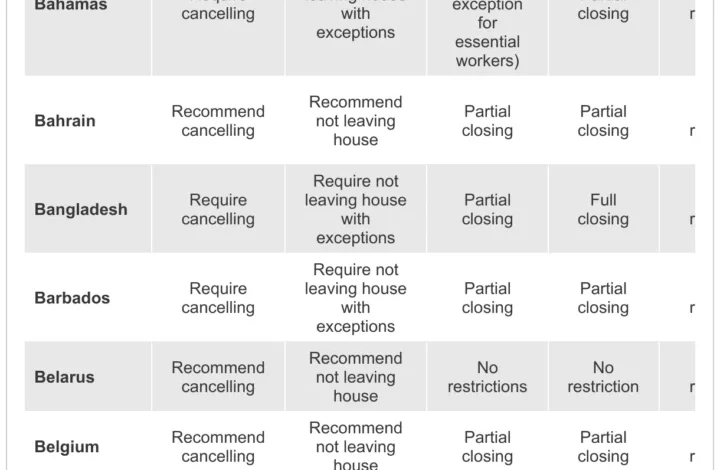
The landscape of global health monitoring has undergone a significant transformation as the world transitions from an acute pandemic response to a long-term management phase of COVID-19. Central to this transition is the rigorous tracking of cumulative confirmed cases and deaths, as well as the documentation of policy measures implemented by various nations to mitigate the virus’s impact. As of March 7, 2023, the primary repository for this critical data shifted from the Johns Hopkins University (JHU) Coronavirus Resource Center to the World Health Organization’s (WHO) Coronavirus Dashboard. This shift reflects a broader movement toward institutionalizing pandemic surveillance within international health bodies, ensuring that the data used by policymakers, researchers, and the public remains standardized and verified on a global scale.
The tracking system currently in use provides a comprehensive overview of the pandemic’s trajectory by country, income level, and region. It offers insights into both the epidemiological data—such as weekly case rates and mortality figures—and the legislative actions taken to bolster health systems and economies. While the intensity of daily reporting has subsided in many jurisdictions, the maintenance of these databases remains vital for understanding the long-term trends of SARS-CoV-2 and preparing for future public health emergencies.
The Evolution of Pandemic Data Stewardship
For the first three years of the pandemic, the Johns Hopkins University Coronavirus Resource Center served as the "gold standard" for real-time COVID-19 data. However, as the global emergency status evolved, the resource center concluded its data collection on March 10, 2023. The transition to the WHO Coronavirus Dashboard marked a pivotal moment in the chronology of the pandemic. Unlike the JHU model, which aggregated data from a wide variety of sources including local news and departmental websites, the WHO relies on official reports provided by member states.
This change in stewardship necessitates a nuanced understanding of data reporting. For instance, there is a recognized two-week lag in data reporting within the current tracker, a delay that accounts for the time required for national health ministries to verify figures before submitting them to the WHO. Furthermore, to optimize performance and prevent slow load times for users, the online tracker maintains a rolling window of the last 200 days of data, though full historical datasets remain accessible through public repositories such as GitHub.
A significant refinement to the data occurred on March 18, 2024. Analysts corrected the reporting metrics to clarify that figures represent new cases and deaths over a full seven-day week rather than a daily average. This distinction is crucial for epidemiologists who require precise weekly aggregates to model the virus’s reproductive rate and the effectiveness of localized interventions.
Chronology of Global Surveillance Milestones
The timeline of COVID-19 data tracking can be divided into three distinct phases. The first phase, spanning from early 2020 to early 2023, was characterized by high-frequency, daily updates driven largely by academic institutions and non-governmental organizations. This period was defined by the need for immediate, actionable data to inform lockdowns and emergency resource allocation.
The second phase began in March 2023 with the sunsetting of the JHU dashboard and the consolidation of data under the WHO. This period signaled a shift toward "normalized" surveillance, where COVID-19 began to be treated similarly to other respiratory pathogens like influenza. During this phase, many countries moved from daily to weekly reporting, reflecting a decrease in the perceived urgency of hour-by-hour updates.
The third and current phase involves the retrospective analysis of policy actions. While the tracking of cases and deaths continues, the monitoring of specific government responses—such as school closures and travel restrictions—has largely concluded. The Oxford Covid-19 Government Response Tracker (OxCGRT), a primary source for policy data, ceased active updates at the end of 2022. Consequently, the policy information currently available serves as a historical record of the measures that were in place as the world entered the post-emergency era.
Categorizing Social Distancing and Closure Measures
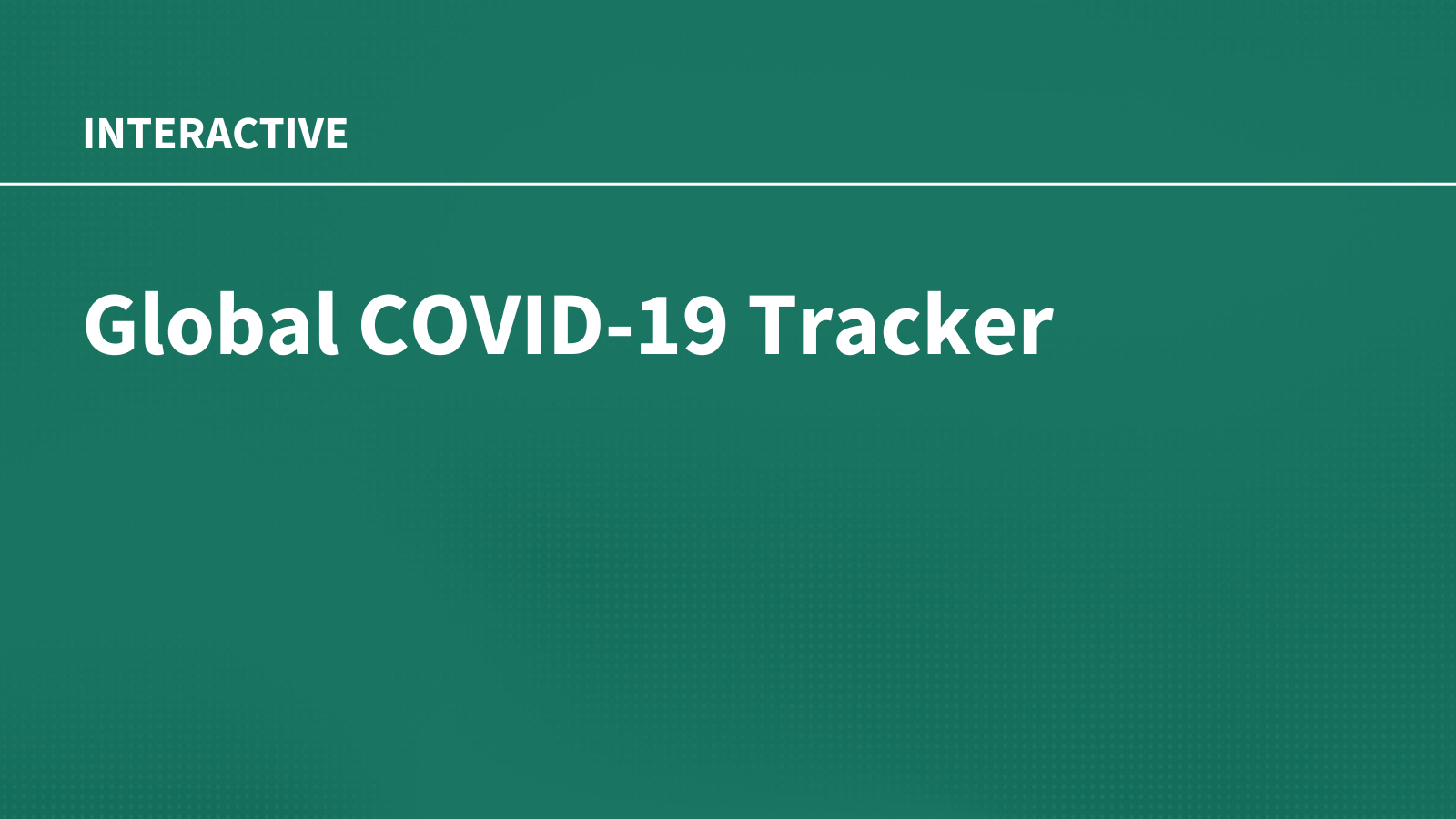
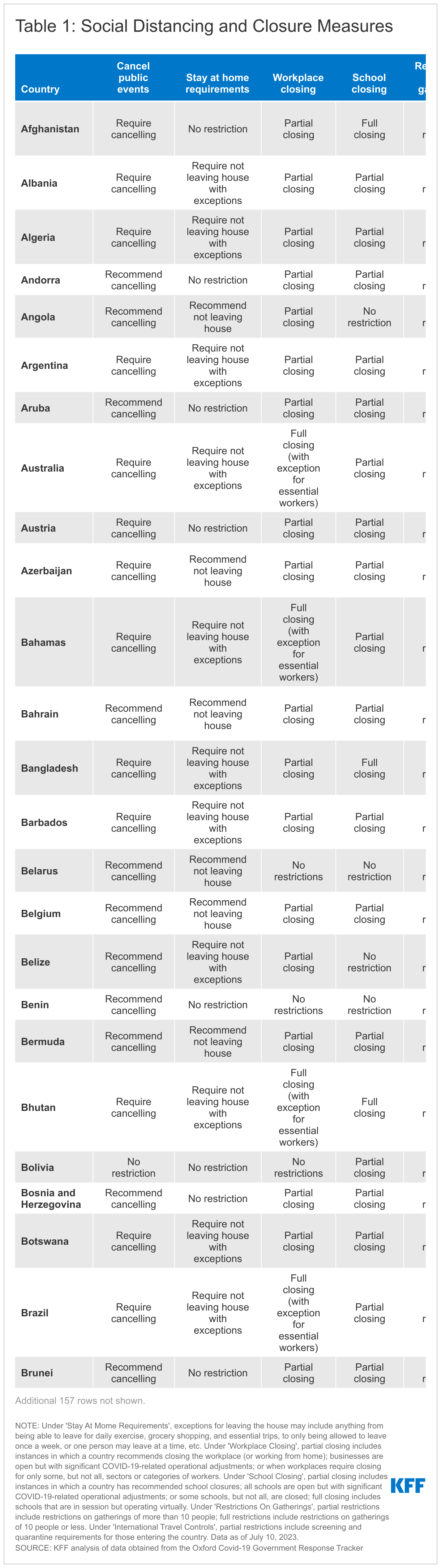
Throughout the pandemic, social distancing and closure measures were the primary tools used by governments to "flatten the curve." These policies are categorized into several key areas: stay-at-home requirements, workplace closures, school closures, and restrictions on gatherings.
Stay-at-home requirements varied significantly in their stringency. In some jurisdictions, these mandates were absolute, while in others, they included broad exceptions for essential trips, exercise, or grocery shopping. Workplace closures also saw a spectrum of implementation. "Partial" closures often meant that governments recommended working from home or required significant operational adjustments, such as reduced capacity or enhanced ventilation. "Full" closures were typically reserved for non-essential sectors during peak transmission periods.
The impact of school closures remains one of the most debated aspects of the pandemic response. The tracking data distinguishes between partial closures—where only certain grade levels or regions were affected—and full closures, which included schools that remained in session only through virtual platforms. Similarly, restrictions on gatherings were categorized by the number of participants, with "full restrictions" often targeting groups of 10 people or fewer. International travel controls, including screening and quarantine requirements, formed the final layer of these social distancing efforts, aimed at preventing the cross-border importation of new variants.
Economic Support and Debt Relief Initiatives
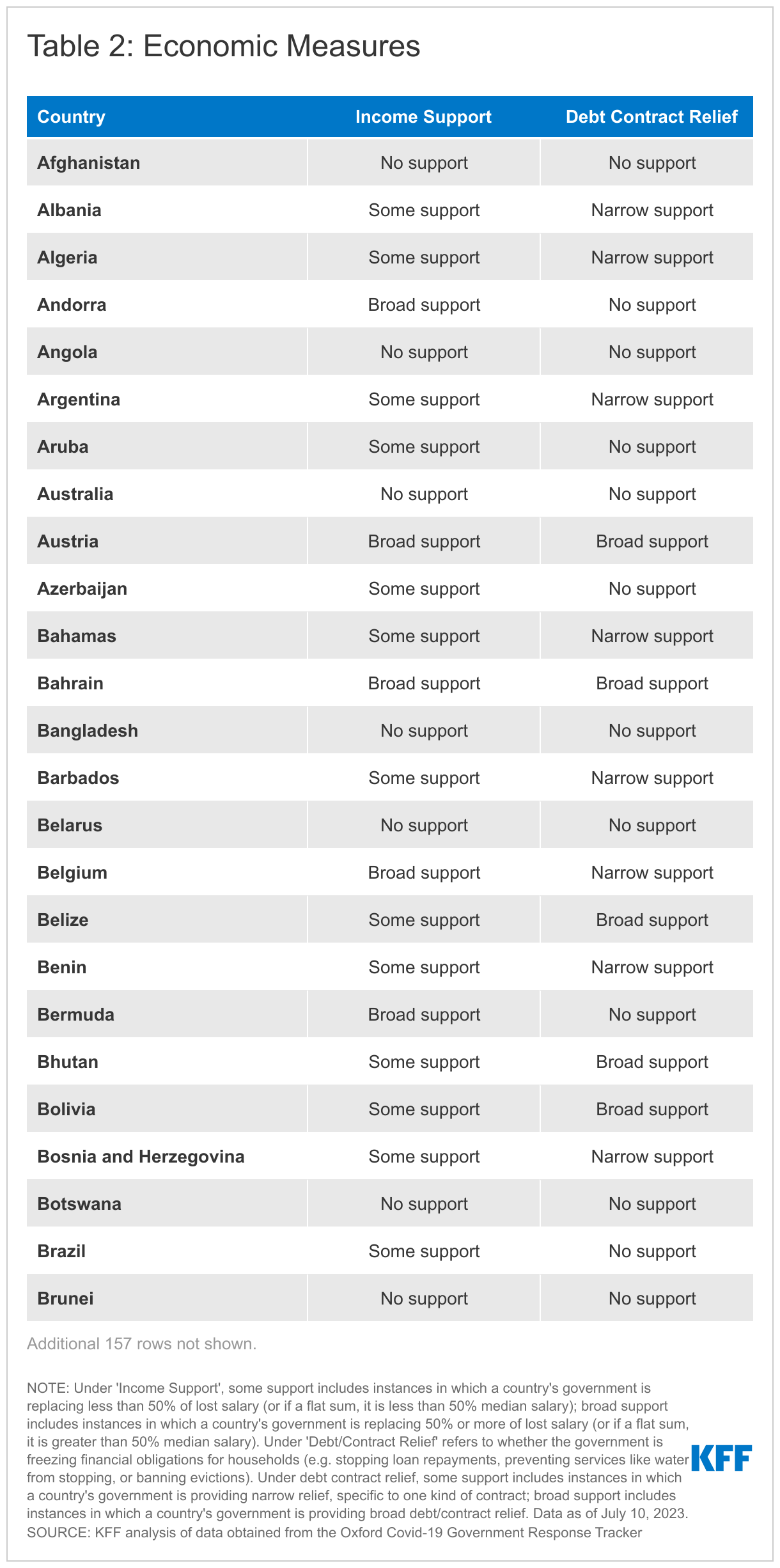
Recognizing that public health mandates had profound economic consequences, many nations implemented fiscal measures to support citizens and businesses. The tracker categorizes these into income support and debt or contract relief.
Income support is measured by the percentage of lost salary replaced by the government. "Broad" support refers to instances where a government replaced 50% or more of a worker’s lost salary, or provided a flat sum exceeding 50% of the median salary. "Narrow" support covers instances where the replacement was less than 50%. These measures were essential in ensuring compliance with stay-at-home orders, as they mitigated the financial desperation that might otherwise drive individuals to work while ill.
Debt and contract relief initiatives provided an additional safety net. These policies included moratoriums on evictions, the suspension of utility shut-offs, and the freezing of loan repayments. Narrow relief was often specific to one type of contract, such as residential rent, while broader measures addressed a wider array of financial obligations. The presence of these economic safeguards often correlated with the ability of a country to sustain prolonged social distancing measures.
Health Systems and Vaccine Eligibility
As the pandemic progressed, the focus of policy shifted from restrictive closures to the fortification of health systems. Two primary indicators in this category are vaccine eligibility and facial covering requirements.
Vaccine eligibility tracking illustrates the global effort to prioritize vulnerable populations. "Partial" availability typically referred to phases where vaccines were restricted to healthcare workers, the elderly, or those with underlying clinical vulnerabilities. As supply chains stabilized, many countries moved toward universal eligibility for all age groups.
Facial covering requirements also evolved. Initially, many governments issued recommendations rather than mandates. Over time, these transitioned into partial requirements—such as masks being mandatory only on public transport or in clinical settings—and eventually to full mandates in all public spaces during surges. The data shows that even as mandates were lifted, many health systems continued to "recommend" masks as a low-cost, high-impact preventative measure.
Methodology and Data Integrity
The integrity of the COVID-19 tracker relies on a multi-sourced approach to data validation. Population estimates are derived from the United Nations World Population Prospects (2021), ensuring that case and death rates are accurately adjusted per capita. Income-level classifications are sourced from the World Bank, allowing for comparative analysis between high-income and low-income nations. This socioeconomic lens is vital for identifying disparities in vaccine access and healthcare outcomes.
The methodology for tracking government responses, pioneered by the Oxford Covid-19 Government Response Tracker, utilized a team of over 100 contributors to scan public records and news reports. While this specific data collection has ended, the legacy of the OxCGRT provides a blueprint for how future global crises might be monitored. The use of a standardized "codebook" ensured that a "workplace closure" in Brazil was defined and measured using the same criteria as one in Japan, facilitating cross-country academic research.
Implications for Global Health Policy
The data captured in these trackers has profound implications for future global health policy. First, it highlights the importance of standardized reporting. The transition from JHU to the WHO underscores the need for a permanent, well-funded global surveillance infrastructure that does not rely solely on academic volunteers.
Second, the correlation between policy actions and epidemiological outcomes provides a wealth of information for future pandemic preparedness. By analyzing the "Economic Measures" and "Social Distancing" data alongside "Cases and Deaths," researchers can determine which interventions provided the best balance of public health protection and economic stability. For instance, the data suggests that broad income support was a key predictor of the success of stay-at-home mandates.
Finally, the tracker serves as a reminder of the "long tail" of the pandemic. While the acute phase has passed, the two-week reporting lag and the continued weekly updates remind the global community that COVID-19 remains an endemic threat. The institutionalization of this data ensures that if a new variant of concern emerges, the global health community will have the baseline metrics and historical context necessary to respond swiftly and effectively.
In conclusion, the COVID-19 tracker is more than a collection of numbers; it is a historical record of a global crisis and a roadmap for future resilience. By maintaining these records and refining their accuracy, international organizations provide a transparent account of the pandemic’s toll and the diverse strategies employed by humanity to overcome it. As we move forward, the lessons learned from this data will be instrumental in shaping a more prepared and equitable global health landscape.