The Evolution of HPV Vaccination in the United States Clinical Progress Socioeconomic Disparities and the Evolving Policy Landscape

The human papillomavirus (HPV) vaccine represents a landmark achievement in modern medicine, serving as the first and only immunization specifically designed to prevent several forms of cancer. Since its introduction to the U.S. healthcare system in 2006, the vaccine has transitioned from a specialized recommendation for adolescent girls to a cornerstone of public health for individuals of all genders. Despite its proven efficacy in reducing the incidence of cervical, oropharyngeal, and anal cancers, the vaccine currently sits at a crossroads, shaped by shifting federal policies, persistent racial disparities, and a complex insurance landscape.
The Pathogenesis of HPV and the Burden of Malignancy
HPV is the most prevalent sexually transmitted infection in the United States, with approximately 42.5 million Americans currently infected. Epidemiological data indicates at least 13 million new infections occur annually, often shortly after an individual initiates sexual activity. While the majority of the 200 known strains of HPV are cleared by the immune system without clinical intervention, persistent infection with high-risk strains—most notably HPV 16 and 18—can lead to cellular changes that progress to malignancy.
The clinical burden of HPV-related cancers has intensified over the last two decades. Between 2018 and 2022, more than 49,000 individuals in the U.S. developed a cancer attributable to the virus, a sharp increase from the 30,000 cases recorded in 1999. While screening programs have successfully lowered the rates of cervical and vaginal cancers, other forms of the disease are on the rise. Specifically, oropharyngeal (throat) and anal cancers have seen significant increases in incidence, necessitating a broader public health response.
Cervical Cancer: Screening Paradoxes and Racial Disparities
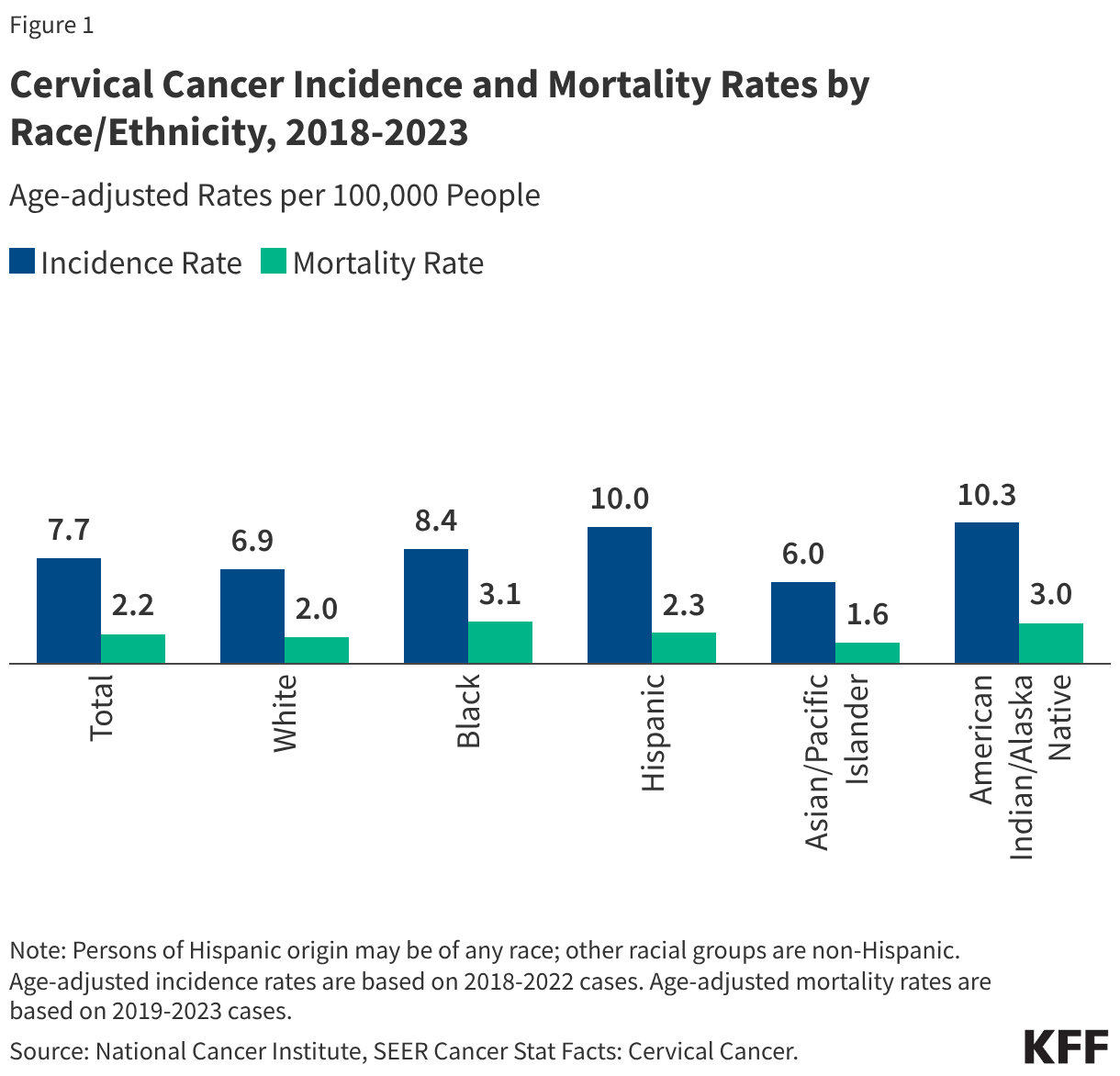
Cervical cancer remains the most well-known manifestation of high-risk HPV infection, with over 90% of cases linked to the virus. In 2025, an estimated 13,360 new cases were diagnosed in the U.S., resulting in approximately 4,320 deaths. While the disease is highly treatable when caught in its early stages via Pap smears or HPV DNA testing, the benefits of these interventions are not distributed equally across the population.
A notable paradox exists within the American healthcare system regarding racial outcomes. Black and Hispanic women report the highest rates of recent Pap testing, yet they continue to suffer from higher mortality rates compared to White women. Black women, in particular, face the highest mortality rates of any racial group. Public health analysts attribute this disparity to several systemic factors: lower rates of follow-up care after an abnormal result, differences in available treatment modalities, and late-stage diagnoses. Furthermore, negative experiences and historical mistrust within the medical system often discourage consistent engagement with preventative services.
The Rising Threat of Oropharyngeal and Anal Cancers
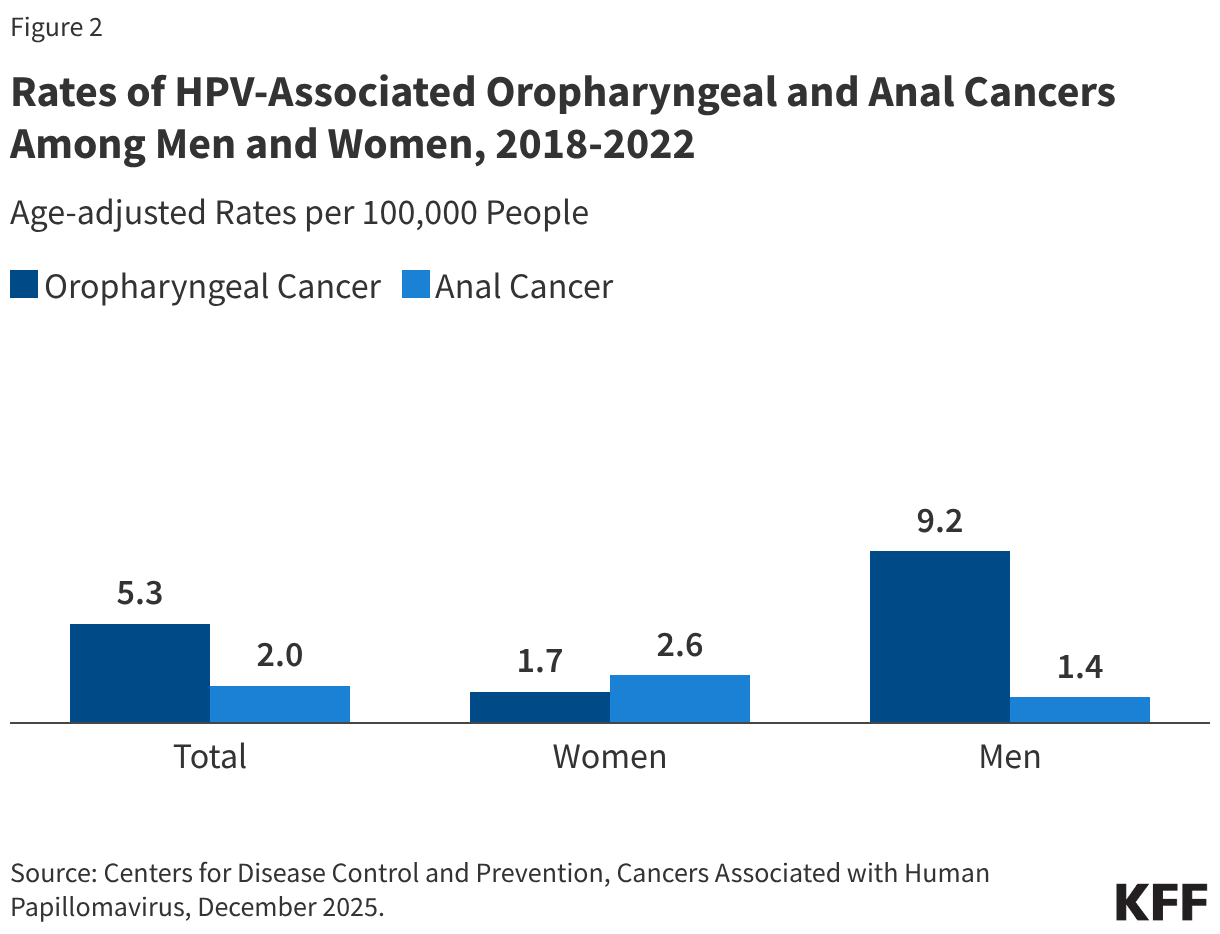
While cervical cancer often dominates the conversation, oropharyngeal cancer has emerged as the most common HPV-associated malignancy among men. Approximately 22,585 cases of throat cancer occur annually in the U.S., with 70% attributed to HPV infection. Men are significantly more likely to develop these cancers than women, particularly those who use tobacco and alcohol, which act as synergistic risk factors.
Similarly, HPV is responsible for 91% of the approximately 7,600 annual cases of anal cancer. Although the incidence is higher among women in the general population, men who have sex with men (MSM) represent a high-risk demographic for anal cancers linked to strains 16 and 18. The medical community has noted a steady increase in anal cancer rates over the past 15 years, underscoring the importance of gender-neutral vaccination strategies.
A Chronology of Vaccine Development and Recommendations
The landscape of HPV prevention has evolved through several generations of vaccine technology. The FDA first approved Merck’s Gardasil in 2006, which targeted four strains (6, 11, 16, and 18). By 2014, the approval of Gardasil 9 expanded protection to nine strains, covering the variants responsible for the vast majority of cervical, anal, and throat cancers, as well as genital warts.
Expanding the Scope of Protection
Initially marketed for girls and young women aged 9 to 26, the vaccine’s indications have broadened significantly:
- 2009: The recommendation was expanded to include boys and young men.
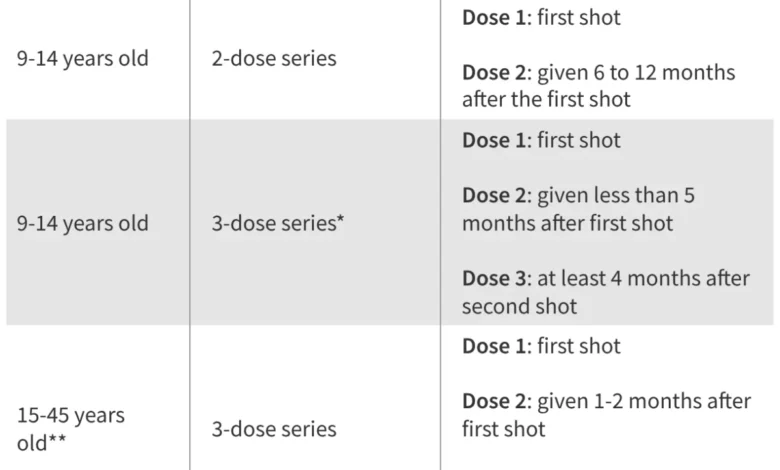
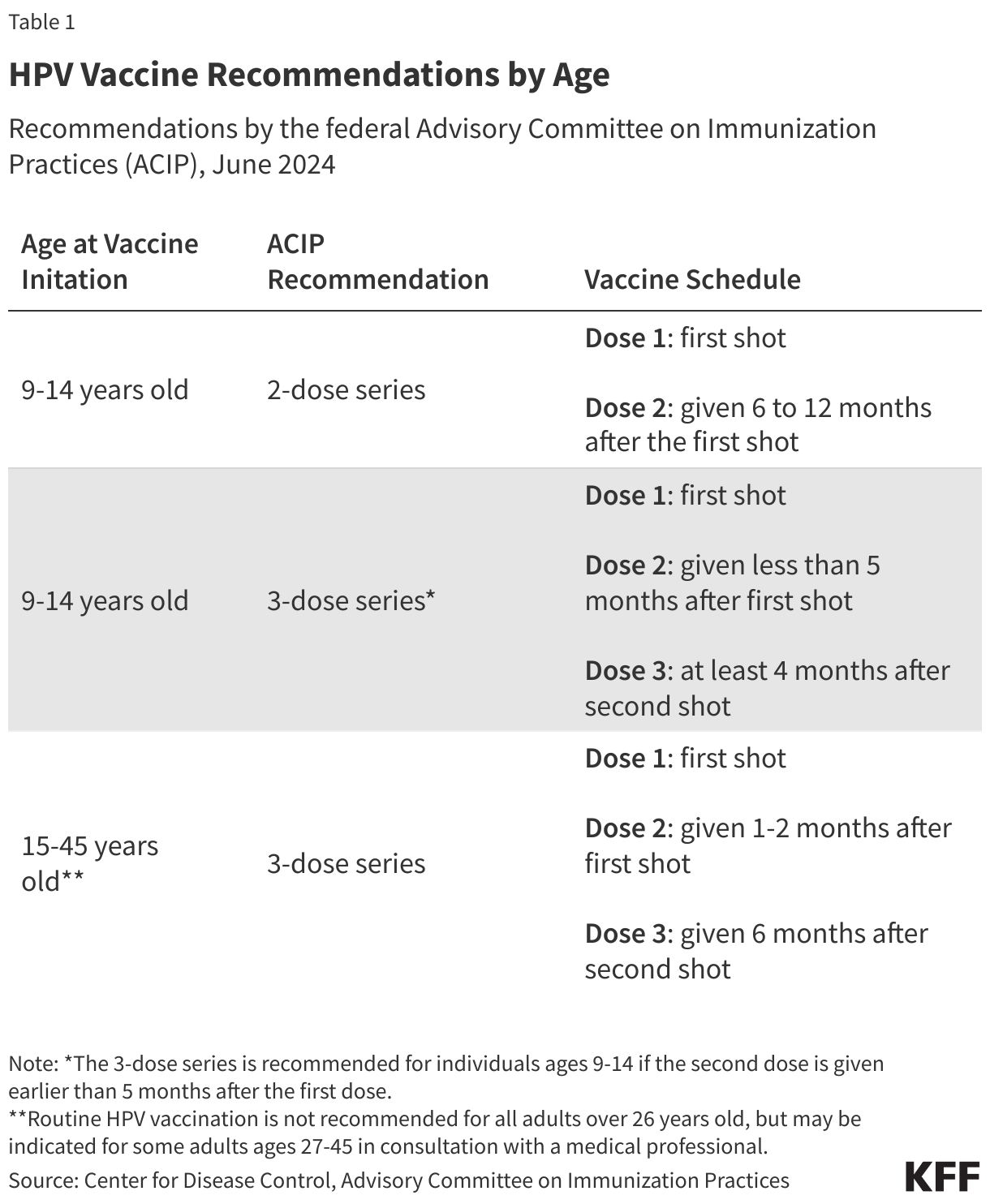
- 2016: The CDC transitioned from a three-dose schedule to a two-dose series for adolescents starting the series before age 15.
- 2018: The FDA expanded the approved age range to include adults up to age 45.
- 2020: The FDA specifically approved Gardasil 9 for the prevention of oropharyngeal and other head and neck cancers.
Global data reinforces the vaccine’s long-term efficacy. In Scotland, where a robust bivalent vaccine program began in 2008, there have been zero cases of cervical cancer among women who were fully vaccinated at age 12 or 13. Furthermore, recent data from the American Society of Clinical Oncology suggests that vaccination reduces the risk of all HPV-associated cancers in men by 50%.
The 2025 Policy Shift and Legal Challenges
The stability of U.S. vaccination policy faced a significant disruption in 2025 following a change in federal administration. The Department of Health and Human Services (HHS), under the leadership of Secretary Robert F. Kennedy Jr., initiated a radical restructuring of the Advisory Committee on Immunization Practices (ACIP).
In June 2025, Secretary Kennedy dismissed the existing ACIP membership—traditionally composed of non-partisan clinicians and scientists—and replaced them with a new panel, many of whom had publicly expressed skepticism regarding traditional vaccine schedules. By December 2025, this reconstituted committee moved to change the adolescent HPV recommendation from two doses to a single dose. While some international health organizations have explored single-dose regimens to increase global access, the move in the U.S. was met with intense backlash from the medical establishment, who argued the change was premature and politically motivated.
The American Academy of Pediatrics led a coalition of health organizations in a legal challenge against these changes. A federal court subsequently blocked the HHS’s attempts to alter the ACIP membership and the immunization schedule. As of early 2026, the 2024 recommendations—which emphasize a two-dose series for most adolescents—remain the legal standard, though the period of uncertainty has fueled concerns regarding vaccine hesitancy.
Vaccination Uptake and Geographic Disparities
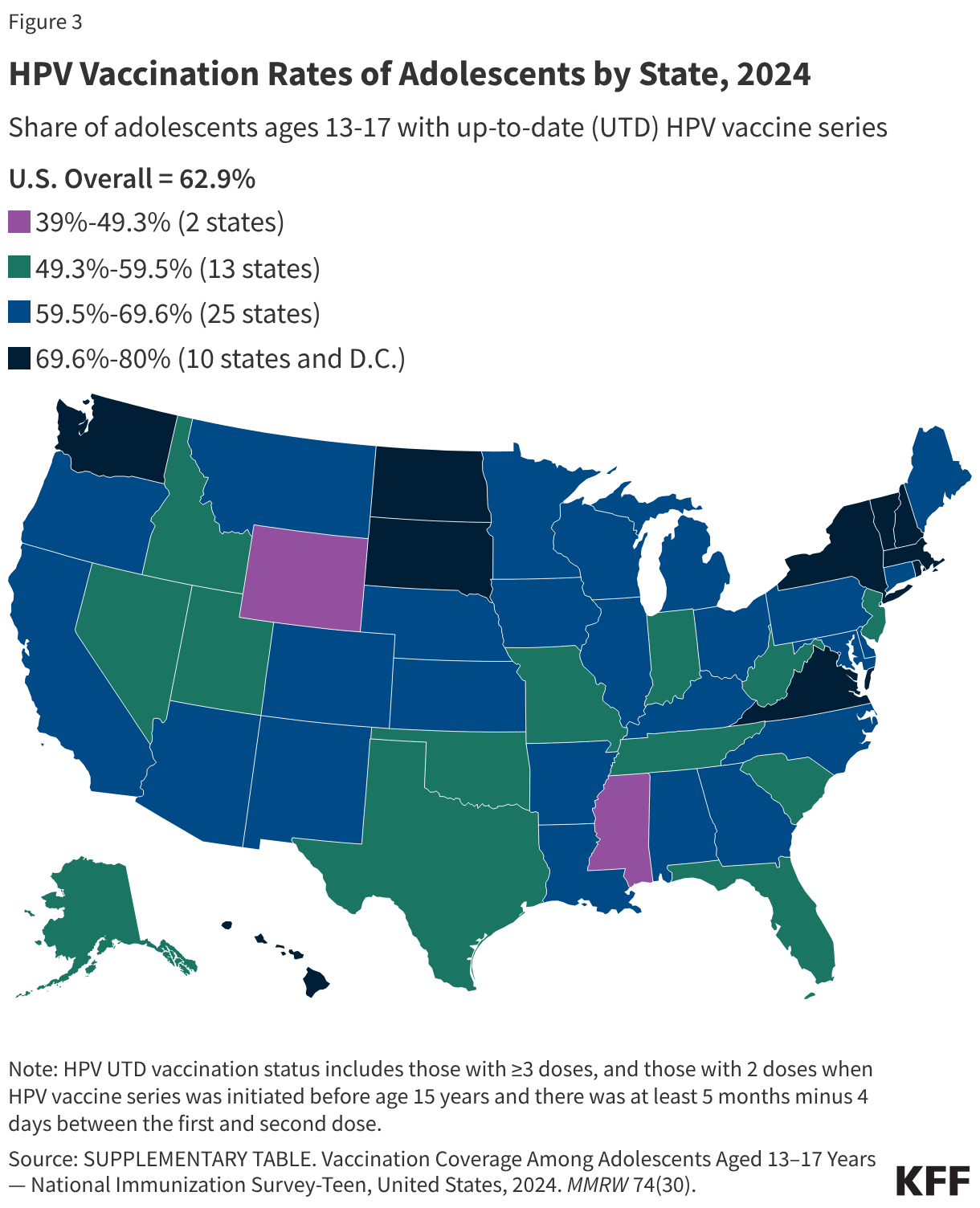
By 2024, approximately 60% of U.S. adolescents aged 13-17 were considered "up-to-date" (UTD) with their HPV vaccinations. However, this national average masks deep geographic and socioeconomic divides.
The Urban-Rural and State-Level Divide
Vaccination rates vary dramatically by state. Massachusetts leads the nation with an 80% UTD rate, bolstered by strong public health infrastructure and school-based outreach. Conversely, Mississippi reports the lowest rate at 39%. These discrepancies are often tied to state-level requirements; jurisdictions like Hawaii, Virginia, and the District of Columbia require HPV vaccination for school entry, whereas other states permit broad exemptions based on religious or personal beliefs.
Furthermore, a persistent gap remains between urban and rural populations. Adolescents in rural areas are significantly less likely to initiate or complete the vaccine series. This is often attributed to limited access to pediatricians, longer travel distances to clinics, and higher levels of vaccine skepticism in certain rural communities.
Socioeconomic and Insurance Factors
Interestingly, data from 2024 indicates that adolescents covered by Medicaid or those identifying as Asian or Black were more likely to be UTD compared to their White, privately insured, or uninsured counterparts. However, recent trends show that vaccine initiation has stalled for the third consecutive year. Initiation rates among the uninsured and Medicaid-enrolled populations have actually begun to decline, raising alarms among public health officials about a potential reversal of previous gains.
Financing and Access: The Safety Net
A robust framework of public and private financing ensures that cost is rarely a primary barrier to HPV vaccination in the U.S., provided patients can navigate the system.
The Affordable Care Act and Private Insurance
Under the Affordable Care Act (ACA), the HPV vaccine is classified as a recommended preventive service. This means that private health plans and employer-sponsored insurance must cover the full cost of the vaccine without any co-pays or deductibles for the patient. This coverage extends to the necessary screenings, such as Pap tests and HPV DNA testing.
Public Programs for the Underinsured
For those without private insurance, several federal programs provide a critical safety net:
- Vaccines for Children (VFC): This CDC-funded program provides free vaccines to children aged 18 and younger who are Medicaid-eligible, uninsured, or American Indian/Alaska Native.
- Medicaid Expansion: Through the EPSDT program, Medicaid covers all ACIP-recommended vaccines for enrollees under 21. Following recent federal updates, most Medicaid-enrolled adults also have access to the vaccine without cost-sharing.
- Section 317 Grants: These funds assist states in providing vaccines to uninsured adults who do not qualify for Medicaid.
- Manufacturer Assistance: Merck maintains a Patient Assistance Program that provides Gardasil 9 at no cost to uninsured adults aged 19 to 45 who meet specific low-income criteria.
Future Implications and Public Health Analysis
The trajectory of HPV-related cancer in the United States will depend heavily on the medical community’s ability to restore public trust and maintain high vaccination coverage. The recent political volatility surrounding the ACIP highlights the vulnerability of public health recommendations to shifting political winds. If vaccine hesitancy continues to rise—driven by confusion over dosage schedules or skepticism from federal officials—the progress made in near-eliminating cervical cancer could be jeopardized.
The focus of the next decade will likely shift toward "catch-up" vaccinations for adults and closing the mortality gap for women of color. While the vaccine is a powerful tool, it must be paired with equitable access to follow-up diagnostic care. As oropharyngeal cancers continue to rise among men, gender-neutral vaccination advocacy will be essential to curbing what has become a silent epidemic in the male population.
In conclusion, the HPV vaccine remains a triumph of preventative oncology. However, its success is not guaranteed. It requires a stable policy environment, a commitment to addressing racial inequities in the healthcare system, and a persistent effort to reach rural and uninsured populations who remain most at risk of falling through the cracks of the American medical landscape.
Related posts: