The Relentless Unraveling: Navigating the Complexities of Alzheimer’s Disease


Alzheimer’s disease is often described as a long farewell—a relentless unraveling of memory, identity, and connection, presenting a profound and harrowing journey for both those diagnosed and their loved ones. This neurological disorder, the most common cause of dementia, progressively destroys brain cells, leading to a decline in cognitive function that impacts daily life, communication, and eventually, basic bodily functions. The global impact of Alzheimer’s is immense, touching millions of lives and placing significant burdens on healthcare systems and families worldwide. Understanding its progression, the challenges it poses, and the ongoing efforts to combat it is crucial for individuals, families, and society at large.
Understanding Alzheimer’s Disease: A Neurological Perspective
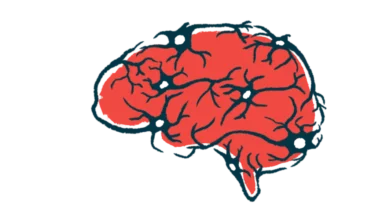
At its core, Alzheimer’s disease is characterized by two primary pathological hallmarks in the brain: amyloid plaques and neurofibrillary tangles. Amyloid plaques are abnormal clusters of protein fragments called beta-amyloid that build up between nerve cells. Neurofibrillary tangles are twisted strands of tau protein that accumulate inside nerve cells. These pathological changes disrupt cell function, leading to cell death and brain atrophy. The areas of the brain most affected are typically those involved in memory, language, and reasoning, explaining the characteristic symptoms of the disease.
The disease typically progresses through several stages, though the rate and specific symptoms can vary among individuals. In the early stage, often referred to as mild Alzheimer’s, individuals may experience mild memory lapses, such as forgetting familiar words or the location of everyday objects. They might struggle with planning or organizing, and exhibit mild personality changes. During this stage, a person might still function independently, but family members and close friends may begin to notice difficulties.
As the disease advances to the moderate stage, cognitive decline becomes more pronounced. Memory loss worsens, and individuals may have difficulty recognizing family members or friends. Disorientation regarding time and place is common, and they may struggle with complex tasks like managing finances or planning events. Personality and behavioral changes, such as increased anxiety, agitation, suspicion, or repetitive behaviors, become more frequent and challenging for caregivers. This stage often necessitates increased supervision and assistance with daily activities.
In the severe, or late, stage of Alzheimer’s, individuals lose the ability to respond to their environment, carry on a conversation, and eventually control movement. They may become completely dependent on caregivers for all aspects of daily life, including eating, dressing, and personal hygiene. Communication abilities are severely impaired, and the individual may spend most of their time in bed. This final stage is marked by a profound loss of identity and connection, culminating in the loss of basic bodily functions and eventual death.
The Insidious Onset and Diagnostic Journey
The onset of Alzheimer’s is often insidious, meaning it develops gradually and imperceptibly. What begins as minor, seemingly innocuous forgetfulness can escalate into more frequent and troubling cognitive lapses. For families, this period can be agonizing, marked by uncertainty and a growing sense of unease. Conversations may become circular, stories may lose their way mid-telling, and familiar tasks may suddenly become insurmountable challenges. These early indicators, while subtle, often signal the underlying neurological changes taking place.
The diagnostic process for Alzheimer’s disease is complex, involving a comprehensive evaluation by healthcare professionals, typically neurologists or geriatric specialists. This evaluation includes a thorough medical history, cognitive assessments to test memory, problem-solving, attention, counting, and language skills, as well as neurological examinations. Brain imaging techniques such as MRI, CT scans, and PET scans are often utilized to rule out other conditions that can cause dementia-like symptoms (e.g., strokes, tumors, vitamin deficiencies) and to detect characteristic changes in brain structure and activity associated with Alzheimer’s. In some cases, cerebrospinal fluid (CSF) analysis or blood tests (for emerging biomarkers) may be used to detect specific proteins linked to Alzheimer’s pathology.
The official diagnosis, while often a source of shock and profound grief, can also bring a measure of clarity. It provides a name to the inexplicable changes and allows families to begin planning for the future, seeking appropriate support, and exploring available therapeutic options. However, the accompanying explanation of the disease’s progressive nature—memory loss, confusion, personality changes, and eventually the loss of basic bodily functions, with no cure—underscores the gravity of the situation. For many, this realization marks the beginning of a prolonged and painful process of "losing" a loved one, piece by piece, long before their physical departure.
Epidemiology and Global Burden
Alzheimer’s disease is not merely an individual tragedy; it is a global public health crisis. According to the World Health Organization (WHO), dementia affects over 55 million people worldwide, and Alzheimer’s disease accounts for 60-70% of these cases. The prevalence is projected to rise significantly in the coming decades due to aging global populations, reaching an estimated 78 million by 2030 and 139 million by 2050.
In the United States, an estimated 6.7 million Americans aged 65 and older are living with Alzheimer’s in 2023. This number is projected to nearly double to 12.7 million by 2050. The disease is the seventh leading cause of death in the U.S. and a leading cause of disability among older adults. Globally, the economic burden of dementia is staggering, estimated at over $1.3 trillion annually, with two-thirds of the costs attributable to informal care (care provided by family members and friends) and social care. These figures highlight the immense strain on healthcare systems, national economies, and individual families.
Risk factors for Alzheimer’s are multifaceted. Age is the greatest known risk factor, with the majority of diagnoses occurring after age 65. Genetics also play a role; while rare genetic mutations can cause early-onset Alzheimer’s, the APOE-e4 gene variant is the strongest genetic risk factor for late-onset Alzheimer’s. Lifestyle factors such as cardiovascular health (high blood pressure, high cholesterol, diabetes), obesity, lack of physical activity, smoking, excessive alcohol consumption, and social isolation have also been linked to an increased risk. Research increasingly suggests that maintaining a healthy lifestyle, including regular exercise, a balanced diet, cognitive engagement, and social interaction, may help reduce the risk or delay the onset of the disease.

The Caregiver’s Odyssey: A Family Perspective
The journey through Alzheimer’s disease profoundly alters the landscape of entire families, transforming relationships and reversing roles. The personal account of a family grappling with their mother Suzanne’s decline offers a poignant illustration of these challenges. Suzanne, once described as a "vibrant tapestry of stories, laughter, and wisdom," and the "keeper of our stories," embodies the pre-disease vitality that is slowly eroded. Her memories, once "treasures" recounting childhood summers, personal triumphs, and the smallest details of family life, gradually became inaccessible.
The progression of her disease mirrored the typical trajectory: initial forgetfulness escalating to circular conversations, disorientation, and eventually, the inability to recognize her closest loved ones. This experience, while deeply personal, is shared by millions of families worldwide. Caregivers often witness the person they knew slowly fade, replaced by a shadow of their former self. The shift from a confident, independent individual to someone requiring constant care and guidance is emotionally grueling.
The emotional toll on caregivers is immense. Grief, when a loved one is living with Alzheimer’s, is a complex, non-linear process often described as "ambiguous loss"—mourning someone who is still physically present but cognitively absent. Caregivers may experience chronic sorrow, depression, anxiety, and profound isolation. They face the daily challenge of letting go of expectations and meeting their loved one in an altered reality, adapting routines, and employing gentle reminders. For Suzanne’s family, the struggle to find meaning amid sorrow is a constant endeavor. Her husband, as her primary caregiver, endures a "profound" grief, continuously questioning the duration of "this torture" and receiving the difficult answer that "it’s a process. It is different for everyone." This highlights the often-overlooked burden on spouses, who frequently assume the heaviest caregiving responsibilities.
Despite the pervasive sorrow, moments of connection and grace can emerge. Music, for instance, has been observed to sometimes break through the cognitive barriers of Alzheimer’s, unlocking fragments of memory or eliciting emotional responses. Suzanne’s family noted her tapping her feet to music or smiling at expressions of affection. These "glimmers of beauty" and "lucid moments" are cherished as precious gifts, offering fleeting glimpses of the person they once knew. Laughter, shared moments of calm, and small victories, such as a meal finished or a brief exchange, become significant markers of connection and resilience in the face of relentless loss.
Therapeutic Approaches and Research Horizons
While there is currently no cure for Alzheimer’s disease, significant strides have been made in developing therapies to manage symptoms and, more recently, to target the underlying pathology. Current pharmacological treatments fall into two main categories: cholinesterase inhibitors (e.g., donepezil, rivastigmine, galantamine) and memantine. Cholinesterase inhibitors work by increasing levels of acetylcholine, a neurotransmitter involved in memory and judgment, which are often depleted in Alzheimer’s. Memantine targets glutamate, another neurotransmitter, and helps regulate its activity, which can be overactive in Alzheimer’s and contribute to nerve cell damage. These medications can help improve cognitive symptoms and behavioral issues for a limited time, but they do not stop the progression of the disease.
More recently, the landscape of Alzheimer’s treatment has seen the introduction of disease-modifying therapies (DMTs) such as aducanumab (Aduhelm) and lecanemab (Leqembi). These monoclonal antibodies are designed to target and remove amyloid plaques from the brain, with the aim of slowing cognitive decline in individuals with early Alzheimer’s disease or mild cognitive impairment due to Alzheimer’s. While their efficacy and long-term benefits are still under extensive study and debate, they represent a significant shift towards therapies that address the underlying biology of the disease rather than just its symptoms.
Beyond pharmacology, non-pharmacological interventions play a crucial role in managing Alzheimer’s. These include cognitive stimulation therapy, occupational therapy, music therapy, reminiscence therapy, and behavioral interventions to manage agitation or aggression. Creating a structured, supportive environment with consistent routines can significantly improve the quality of life for individuals with Alzheimer’s and ease the burden on caregivers.
Research into Alzheimer’s is a dynamic and rapidly evolving field. Scientists are exploring numerous avenues, including:
- New Drug Targets: Investigating drugs that target tau tangles, inflammation, mitochondrial dysfunction, and other biological pathways implicated in the disease.
- Early Detection Biomarkers: Developing more accurate and less invasive tests (e.g., blood tests, advanced imaging) to diagnose Alzheimer’s much earlier, potentially before significant symptoms emerge, when treatments might be most effective.
- Prevention Strategies: Studying the impact of lifestyle interventions, diet, exercise, and cognitive engagement on delaying or preventing the disease.
- Precision Medicine: Tailoring treatments to an individual’s specific genetic profile and disease characteristics.
- Understanding Genetic Risk: Further research into genetic factors beyond APOE-e4 to identify individuals at higher risk.
Broader Impact and Implications
The implications of Alzheimer’s disease extend far beyond the immediate family. The rising prevalence poses significant challenges for healthcare infrastructure, requiring increased specialized medical facilities, trained personnel, and long-term care options. Societal implications include a potential decrease in workforce productivity as individuals leave jobs to become caregivers, and an increasing strain on social welfare programs.
Advocacy groups like the Alzheimer’s Association play a vital role in funding research, advocating for supportive public policies, and providing resources and support services to families. Support groups, educational programs, and respite care services are critical for alleviating caregiver burden and improving the quality of life for both patients and their families. Policy initiatives focusing on increased research funding, caregiver support, and improved access to quality care are essential to addressing the growing crisis.
The story of Suzanne and her family is a testament to the profound and enduring impact of Alzheimer’s disease. It highlights the devastating loss of memory and identity, the immense challenges faced by caregivers, and the complex emotional landscape of grief and love that co-exist throughout the disease’s progression. While the journey is marked by sorrow, it is also punctuated by moments of grace, resilience, and the enduring power of human connection. The ongoing commitment to research, improved diagnostics, and compassionate care offers hope for a future where Alzheimer’s is better understood, effectively treated, and ultimately, prevented. To those walking this path, the message remains clear: you are not alone; cherish every fragment of joy, hold fast to the memories that endure, and let love be the steadfast guide through the labyrinth of loss.
Related posts: