Trump Administration Rescinds Key ADA Guidance on Integration for People with Disabilities

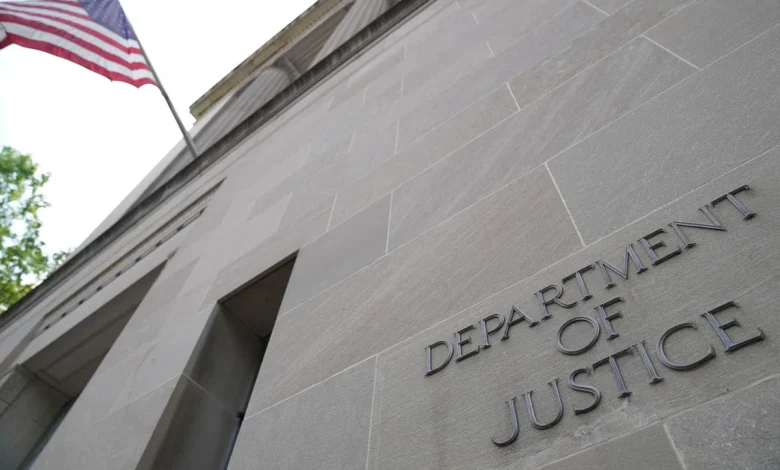
In a significant shift that has sent ripples through the disability rights community, the Trump administration has officially withdrawn its long-standing guidance on enforcing the integration mandate of the Americans with Disabilities Act (ADA), specifically as it pertains to the landmark Olmstead v. L.C. Supreme Court decision. This move, announced by the U.S. Department of Justice (DOJ), effectively discards over a decade of established interpretation that federal officials have used to champion the rights of individuals with disabilities to live and participate in their communities.
The DOJ issued a notice on Monday clarifying that its guidance on the enforcement of the ADA’s integration mandate and the principles established in Olmstead v. L.C. is "not enforceable." This decision signals a departure from previous administrations’ commitment to ensuring that people with disabilities are not unnecessarily segregated in institutions. The notice, signed by Harmeet K. Dhillon, assistant attorney general for civil rights, explicitly states, "The department will not rely upon the Olmstead guidance in its enforcement of Title II of the Americans with Disabilities Act."
The Foundation of the Olmstead Decision and its Guidance
At the heart of this development is a comprehensive Q&A document first published in 2011 and last updated in 2020. This document detailed the implementation of the Supreme Court’s pivotal 1999 Olmstead ruling. The Olmstead decision affirmed that under Title II of the ADA, public entities must provide community-based treatment and services for individuals with mental disabilities when such placement is appropriate, the affected person does not oppose it, and it can be reasonably accommodated. The ruling was a monumental victory for disability rights, recognizing that segregation in institutions, even if providing services, violates the ADA’s mandate for equal opportunity and integration.
The withdrawn guidance provided crucial clarity on what constitutes the "most integrated setting" under the ADA and Olmstead. It elaborated on the criteria for accessing community-based services and addressed numerous other practical aspects of implementing the decision. For years, subsequent DOJ guidance on employment for people with disabilities and related issues has consistently referenced and relied upon this Olmstead guidance. The DOJ’s current statement, however, asserts that "similar guidance documents are not enforceable."
Reinterpretation in Light of New Legal Precedents
Officials within the DOJ have indicated that this recalibration of enforcement policy is partly in response to a recent Supreme Court decision, Loper Bright Enterprises v. Raimondo, decided in 2024. This case has generated considerable discussion regarding the degree of deference courts should give to agency guidance and regulations. The DOJ plans to "revisit" the Olmstead guidance in light of Loper Bright to determine if it aligns with the "single, best meaning" of the ADA.
The DOJ’s notice points out that the Q&A document itself contained language indicating its non-binding nature. "Despite the non-enforceable nature of the Olmstead guidance, numerous courts have treated the Olmstead guidance as authoritative," the notice reads. The department expressed concern about "confusion over the non-enforceable nature of the Olmstead guidance" and issued this clarification to address it.
A Pattern of Shifting Interpretations
This move to distance the DOJ from the Olmstead guidance follows closely on the heels of a memo issued by the Office of Legal Counsel approximately one month prior. That memo suggested that neither the ADA nor Section 504 of the Rehabilitation Act require states to provide mentally disabled patients with the most integrated setting appropriate to their needs. This interpretation directly contradicts the widely accepted understanding of the Olmstead decision and the subsequent decades of enforcement.
Reactions from Disability Rights Advocates and Former Officials
The decision has drawn sharp criticism from disability rights advocates and former DOJ officials who have dedicated their careers to upholding the principles of Olmstead. Alison Barkoff, a professor at George Washington University who was instrumental in developing the Olmstead guidance during her tenure as special counsel for Olmstead enforcement at the DOJ, expressed dismay.
"The Department of Justice’s Olmstead guidance reflects the overwhelming consensus of courts in their interpretation of the requirements under the Americans with Disabilities Act and Section 504, their implementing regulations, and the Supreme Court’s decision in Olmstead v. L.C.," Barkoff stated. "Today’s notice from DOJ that it will no longer rely on the guidance is further evidence of their backing away from a decades-long commitment to enforcing the rights of people with disabilities to live and participate in their communities."
Regan Rush, former chief of the special litigation section at the DOJ’s Civil Rights Division and current director and editor-in-chief of Red Line for Civil Rights at Democracy Forward, highlighted the historical context. "That guidance has stood the test of time. It is grounded in decisions by courts across the country and has been relied upon by states and the federal government alike since 2011," Rush said. "States that follow DOJ’s cue and abandon their integration efforts risk violating the rights of people with disabilities, and they will have to answer for it in courts that have upheld Olmstead for decades."
Jennifer Mathis, who served as deputy assistant attorney general for the agency’s Civil Rights Division under the Biden administration and is now deputy director at the Bazelon Center for Mental Health Law, echoed these concerns. "The Justice Department’s notice is likely to create further uncertainty and confusion among stakeholders in the wake of DOJ’s June memo saying that there is no integration mandate," Mathis commented. "Neither of these things has the force of law, but they appear designed to undermine the rights of people with disabilities to live in their own homes and communities. The disability community will continue to fight these attacks on their hard-won rights."
Historical Context and Potential Implications
The Olmstead decision, handed down in 1999, was a landmark victory, affirming the right of individuals with disabilities to live in the community rather than in institutions, provided they can be appropriately served and do not oppose such placement. This principle is often referred to as the "integration mandate." The DOJ’s 2011 Q&A document and subsequent related guidance aimed to provide concrete steps for states and localities to comply with this mandate, fostering the development of community-based services and discouraging unnecessary institutionalization.
The DOJ’s current action is particularly notable given that the first Trump administration was responsible for the 2020 update to the Olmstead guidance, which the department is now deeming unenforceable. This raises questions about the administration’s evolving stance and its broader commitment to disability rights.
The implications of this withdrawal are potentially far-reaching. Without the explicit guidance and enforcement framework provided by the DOJ, states and localities may feel less compelled to prioritize community-based services and integration efforts. This could lead to a resurgence of institutionalization for individuals with disabilities, particularly those with mental health conditions, and a rollback of the progress made over the past two decades.
Data from the Centers for Medicare & Medicaid Services (CMS) has historically shown a significant number of individuals residing in institutional settings, despite the Olmstead mandate. For instance, in 2022, over 1.7 million individuals were residing in nursing facilities, and substantial numbers were in other institutional settings. The Olmstead decision and the guidance it spawned were critical tools in working to reduce these numbers and promote community living.
The DOJ’s stated concern about confusion regarding the enforceability of guidance documents, while acknowledging that courts have often treated the Olmstead guidance as authoritative, suggests a strategic effort to reframe the legal landscape surrounding disability rights. The reliance on the Loper Bright decision’s impact on administrative law suggests a broader philosophical shift within the administration regarding the interpretation and application of federal regulations and guidance.
Advocates worry that this move is part of a larger pattern of undermining established civil rights protections. The DOJ’s June memo questioning the integration mandate, coupled with the rescission of the Olmstead guidance, paints a concerning picture for the future of disability inclusion. The disability community has historically fought arduous battles to secure these rights, and advocates are vowing to continue their efforts to ensure that individuals with disabilities are not relegated to segregated settings.
The DOJ did not respond to requests for comment on the changes, leaving many to speculate about the precise motivations and future enforcement strategies. However, the message conveyed by the withdrawal of this key guidance is clear: a significant shift in the federal government’s approach to enforcing the integration mandate of the Americans with Disabilities Act, with potentially profound consequences for millions of Americans with disabilities. The disability community and its allies are now poised to challenge this new direction, armed with decades of legal precedent and a commitment to the principles of equality and inclusion.
Related posts: