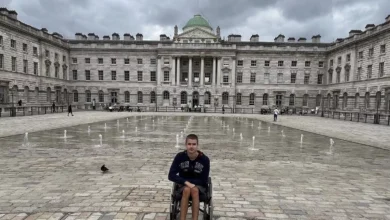
Fiji Opens Its Shores to All: Accessible Fiji Revolutionizes Inclusive Travel


Fiji, a South Pacific archipelago renowned for its pristine turquoise waters, lush tropical islands, and unparalleled hospitality, has long been a dream destination for global travelers. However, for individuals with disabilities, the breathtaking beauty and warm embrace of Fiji have historically been largely inaccessible. This paradigm is now shifting dramatically with the emergence of Accessible Fiji, a specialized travel provider committed to unlocking the magic of the islands for wheelchair users, seniors, and travelers with mobility impairments.
A New Era of Inclusivity in Fijian Tourism
"Fiji is one of the most beautiful places on Earth – yet for too long, that beauty has remained out of reach for travellers with disabilities. Accessible Fiji exists to change that," states Ilaitia Bakani, Head of Rosie Living at Rosie Holidays. This sentiment underscores the fundamental mission of Accessible Fiji: to ensure that the joy of experiencing a Fijian sunrise, the warmth of its people, and the enchantment of its islands is a universal right, not a privilege limited by mobility.
Accessible Fiji operates as a dedicated arm of Rosie Holidays Fiji, a well-established tourism operator with decades of experience in the region. This strategic integration allows Accessible Fiji to leverage existing infrastructure, local knowledge, and a robust network of partners while focusing specifically on the nuanced needs of accessible tourism. The company’s comprehensive approach integrates accessible transportation, meticulously customized tours, dedicated accommodation support, and invaluable local expertise on accessibility within Fiji.
"We believe the joy of a Fijian sunrise, the warmth of its people, and the magic of its islands belong to everyone – regardless of mobility or disability," Bakani elaborates. "This is more than a travel service. It is a statement that Fiji is open to all." This proactive stance signifies a broader commitment within the Fijian tourism sector to embrace diversity and ensure that the nation’s renowned hospitality extends to every potential visitor.
Addressing the Evolving Landscape of Accessible Tourism in Fiji
The development of accessible tourism in Fiji is an ongoing process. While infrastructure is steadily improving, the availability of truly accessible experiences and the navigability of some natural environments still present challenges. Accessible Fiji openly acknowledges these realities, opting for transparency and a personalized approach rather than making broad, potentially inaccurate, assurances.
The company’s methodology involves direct engagement with travelers to thoroughly understand their individual accessibility requirements. This detailed consultation allows Accessible Fiji to meticulously identify accommodations, transportation options, and experiences that align precisely with each visitor’s needs. This bespoke planning process is crucial for empowering travelers to make informed decisions before their journey, thereby mitigating the inherent uncertainties that can often accompany international accessible travel. This dedication to detail aims to build trust and foster confidence among travelers who may have previously felt excluded from such destinations.
Pioneering Accessible Transportation Solutions
Transportation frequently emerges as a primary concern for wheelchair travelers planning visits to island nations. Accessible Fiji is actively working to streamline this critical aspect of travel. The company has introduced two specialized LDV MIFA9 EV vehicles, designed to transport manual and power wheelchair users safely and comfortably. These vehicles are not only equipped with state-of-the-art wheelchair lift systems and securement areas but also accommodate family members, companions, caregivers, and trained support staff, ensuring that travel is a shared experience.
Each vehicle has a capacity for up to seven passengers, in addition to one wheelchair user. While electric mobility scooters are not currently supported due to specific operational requirements, Accessible Fiji encourages travelers to engage in open dialogue regarding their unique equipment needs prior to booking. This proactive communication allows the team to explore potential solutions and manage expectations effectively.
The accessible transportation services offered by Accessible Fiji are comprehensive and include:

- Airport Transfers: Seamless and stress-free transfers from Nadi International Airport (NAN) to accommodations, with vehicles equipped for accessibility.
- Inter-Resort Transfers: Facilitating movement between different resorts or accommodation locations within the main islands, ensuring continuity of accessible travel.
- Customized Day Tours: Providing accessible transportation for tailored excursions, allowing travelers to explore Fiji’s attractions at their own pace.
- Accessible Excursion Transport: Ensuring that transportation to and from accessible activities, such as boat trips or cultural village visits, is handled with care and precision.
For travelers utilizing power wheelchairs, Accessible Fiji requests specific information to ensure the most suitable arrangements can be made. This typically includes:
- Detailed Power Wheelchair Specifications: Including weight, dimensions, and battery type to ensure compatibility with the vehicle’s lift and securement systems.
- Type of Drive System: Understanding whether the wheelchair is a front-wheel, mid-wheel, or rear-wheel drive can assist in planning optimal securement within the vehicle.
- Any Specific Operational Needs: Open communication about any unique features or requirements of the power wheelchair is encouraged to prevent unforeseen issues.
Developing Tailored Accessible Tours and Enriching Experiences
Beyond merely providing transportation, Accessible Fiji is actively curating and developing experiences specifically designed for travelers with diverse mobility needs. The company’s philosophy moves beyond simply adapting existing tours, instead focusing on identifying and creating opportunities that can be genuinely and enjoyably experienced by wheelchair users and individuals with limited mobility.
Currently, Accessible Fiji offers a range of accessible land-based touring experiences. These curated excursions allow visitors to immerse themselves in Fiji’s rich culture, explore its stunning natural landscapes, and connect with local communities. A significant highlight is the introduction of an accessible beach experience, enabling travelers with disabilities to fully appreciate and enjoy Fiji’s iconic, world-renowned coastlines. This initiative is particularly important given the often sandy and uneven terrain found on many beaches, which can pose significant barriers.
A vital component of this initiative is the presence of Accessibility Ambassador Saimoni. Saimoni plays a crucial role in showcasing Fiji through an accessibility-focused lens and championing the company’s unwavering commitment to inclusive tourism. Having local expertise is invaluable when navigating destinations where comprehensive accessibility information is still emerging. Saimoni’s firsthand knowledge and insights provide a unique perspective, helping to bridge gaps in understanding and ensure a more authentic and accessible experience for visitors.
In contrast to destinations that may shy away from discussing accessibility limitations, Accessible Fiji maintains an open and transparent dialogue with its clients. This proactive approach ensures that travelers have realistic expectations. Visitors should be prepared for the following, which are common considerations in many tropical destinations:
- Uneven Terrain: While efforts are made to select accessible routes, some natural environments may still feature uneven surfaces, inclines, or steps that require careful navigation.
- Varying Sidewalk Conditions: Sidewalks in some areas may be narrow, in disrepair, or lack curb cuts, necessitating alternative routes or assistance.
- Limited Public Restroom Accessibility: Public restrooms outside of tourist-specific facilities may not always be equipped with accessible features.
- Natural Environment Challenges: Access to certain natural attractions, such as remote waterfalls or rugged hiking trails, may remain challenging due to the inherent nature of the landscape.
Partnering for Accessible Accommodations
Accessible Fiji is diligently working with a growing portfolio of properties that offer accessible-friendly accommodations for wheelchair travelers. The company has identified several resorts that stand out for their commitment to inclusivity and their provision of necessary amenities.
Among their top recommended resorts are:
- The Westin Denarau Island Resort: Known for its modern facilities and proactive approach to guest services, The Westin often provides well-appointed accessible rooms and common areas.
- Sofitel Fiji Resort & Spa Denarau: This luxury resort frequently offers accessible room options and has demonstrated a willingness to accommodate specific guest needs.
- InterContinental Fiji Golf Resort & Spa: Located on the Coral Coast, this resort is recognized for its beautiful setting and its efforts to provide accessible accommodations and amenities.
Common accessibility features that travelers can anticipate at these and other partner properties may include:
- Accessible Rooms: Designed with wider doorways, roll-in showers, grab bars in bathrooms, and lower sink and counter heights.
- Ramps and Elevators: Providing access to different levels of the resort, including restaurants, pools, and common areas.
- Accessible Pool Access: Some resorts offer specialized lifts or sloped entries for pool access.
- Proximity to Accessible Amenities: Rooms are often situated close to elevators and main facilities for ease of access.
Crucially, Accessible Fiji goes beyond general descriptions. The company actively confirms specific bathroom configurations and room layouts with the properties before booking. This meticulous verification process ensures that each traveler’s individual mobility needs are accurately matched with the available accommodations, thereby preventing disappointment and ensuring a comfortable stay. As with many tropical destinations, accessibility standards can vary significantly from one property to another. Therefore, Accessible Fiji strongly encourages travelers to communicate their precise accessibility requirements well in advance of their visit. This collaborative approach between the traveler, Accessible Fiji, and the accommodation provider is key to a successful and enjoyable accessible vacation.
The establishment of Accessible Fiji marks a significant stride forward for inclusive tourism in Fiji. By addressing transportation, accommodation, and experiential challenges with a personalized and transparent approach, the company is not only opening up the wonders of Fiji to a wider audience but also setting a benchmark for accessible travel in the broader Pacific region. As Fiji continues to develop its tourism offerings, the commitment to accessibility championed by Accessible Fiji promises to ensure that its breathtaking beauty and renowned hospitality are truly for everyone.
Last updated on June 16, 2026
Related posts: